Did Comcast Just Evolve the TV Bundle Again? Check Out: The Xfinity StreamSaver Stack.

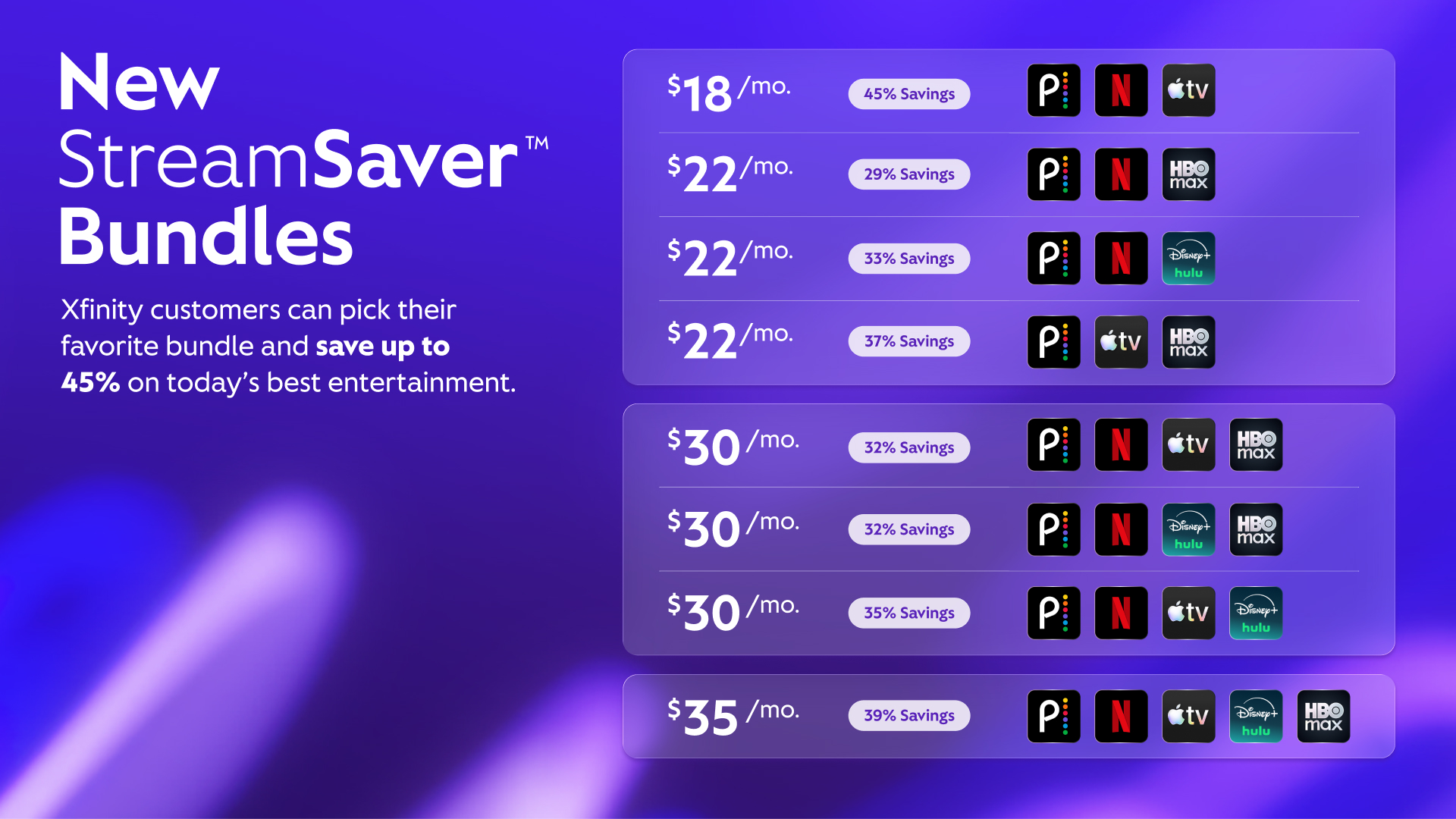
Xfinity StreamSaver launched back in May 2024 with three services: Peacock, Netflix, and Apple TV. This week, Comcast expanded it to eight bundles, adding Disney+, Hulu, and HBO Max, with combinations priced from $18 to $35 per month and savings of up to 45% against standalone pricing. The press coverage since has treated this as a consumer savings story. Look closer and you'll see this is much more than that.
This is a structural play. Comcast is rebuilding the cable bundle for a streaming-native era, using the same economic logic that made the original bundle worth $80 a month: consolidate billing, consolidate navigation, own the customer relationship.
The difference now is what sits underneath it.
The Stack Comcast Is Assembling
Every bundle runs through a single Xfinity monthly statement, and the packages are exclusive to Xfinity TV and internet customers. This means that lock-in is not contractual. It is gravitational: one bill, transferred watch histories, profile continuity. StreamSaver is the billing layer.
StreamStore is accessible directly on Xfinity X1 and Xumo TV operating system. The OS surfaces the bundle. The bundle fills the OS.
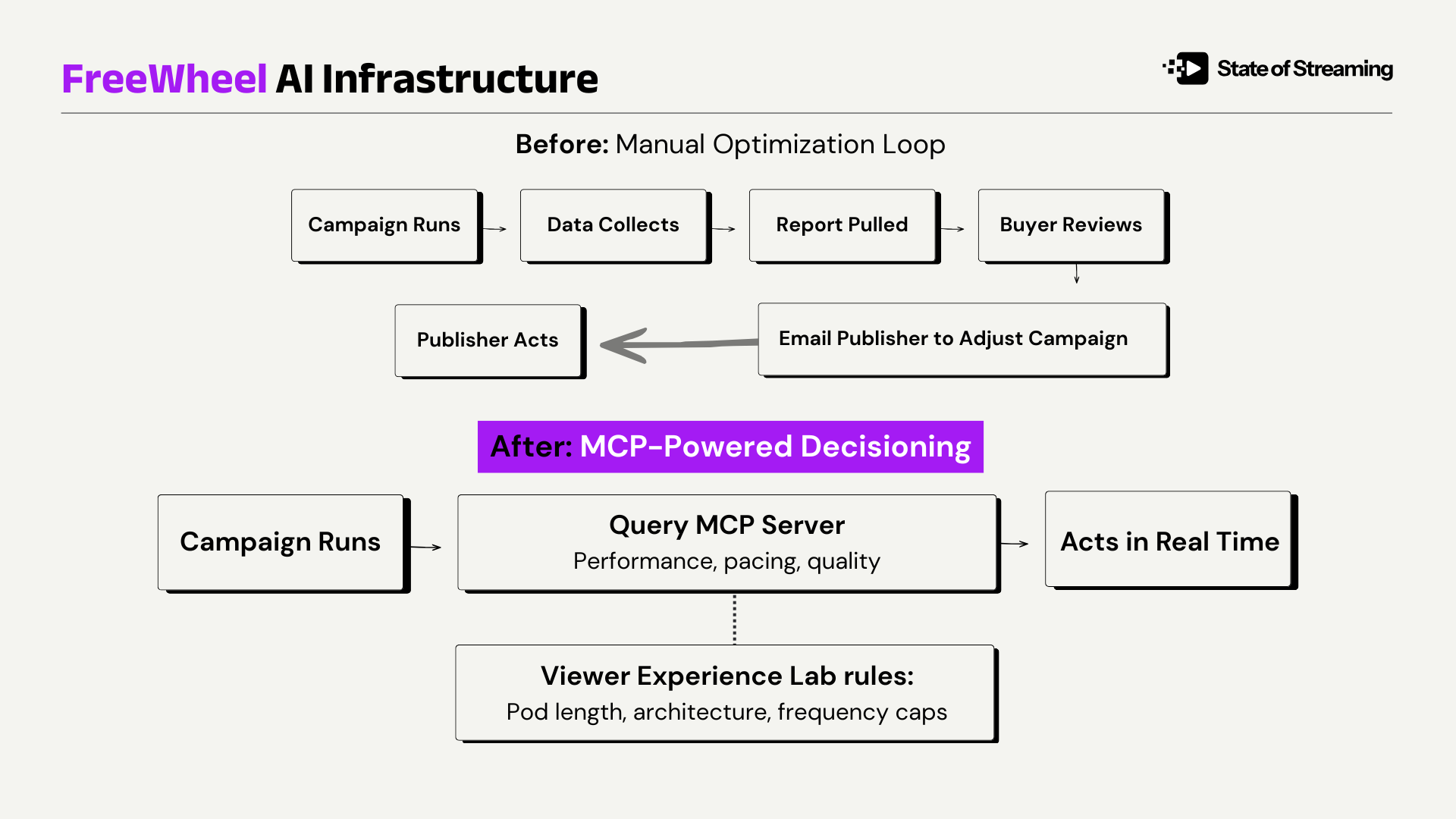
FreeWheel — Comcast's ad tech subsidiary — handles monetization across the stack. At CES 2026, Xumo launched an advanced identity solution combining first-party data with TransUnion, LiveRamp, and The Trade Desk's UID 2.0 framework for precision targeting.
What This Is, and What It Is Not
This is not a Roku play. Roku aggregates without owning the pipe. Comcast owns the broadband connection the content travels over. That distinction matters for churn economics: a customer who leaves the StreamSaver bundle still needs Xfinity internet. The switching cost is not a cancellation click. It is a truck roll.
This is not an Amazon play either. Amazon's flywheel runs commerce-to-advertising, with Prime as the anchor. Comcast's flywheel runs broadband-to-entertainment, with internet as the anchor. Neither company owns the content they're bundling at the billing layer. Both own the relationship.
The question StreamSaver raises is whether owning the relationship compounds or merely transacts. Comcast does not hold rights to the content in these bundles. Netflix, Max, Disney+, and Apple TV all negotiated their way onto Comcast's shelf. They can also negotiate their way off it. The billing consolidation creates retention pressure on the streamers, not just on Comcast's subscribers. If a service leaves StreamSaver, it loses a distribution channel reaching tens of millions of broadband customers with pre-consolidated billing. That is real leverage for Comcast.
The Xumo Variable
The piece most coverage is missing: Xumo TV as the hardware substrate. Comcast is not just selling bundles through a website. It is selling an OS with a remote, a home screen, and a sports navigation layer that, as covered previously on State of Streaming, remains the strongest live sports interface in connected TV.
The StreamSaver bundle populates the Xumo home screen. The Xumo home screen surfaces the StreamSaver bundle. At the hardware level, this is closer to what Apple does with Apple One and Apple TV hardware than what any cable company has attempted before. The key difference: Apple controls the content quality. Comcast controls the pipe.
What the Numbers Require
At $18 per month for the entry bundle, Comcast is collecting subscription revenue it then remits to its streaming partners at negotiated wholesale rates. The margin lives in two places: subscriber retention on broadband (where Comcast's margin is substantially higher than on video) and the ad stack Xumo and FreeWheel run across the free tier that anchors the whole device experience. The bundle keeps subscribers from churning off broadband. Xumo monetizes their attention when they are not watching the paid services.
Get the SOS. Brief
The sharpest streaming intelligence, delivered to your inbox.