The Vertical Shift: A New Column on Short-Form Content, Streaming, and the Culture It's Reshaping.

At thirteen years old, I watched the TV show How I Met Your Mother for the first time on a service my family finally decided to try out called Netflix. This allowed us to watch, in my head, unlimited TV. It was 2015, and the show made me enamored with this cultural moment being represented that I had supposedly lived through but had already passed. I would constantly think about what a show that would reflect my twenties would look and sound like throughout my viewing, wondering what my generation’s defining cultural representation could be.
Leaving Home
When the time came that cultural reflection ended up influenced by the platform it resided on infinitely more than the art within it, which would become a prevalent theme throughout the late 2010s as Gen-Z came of age. By the time I left home to move to college in 2020, the platform had changed but the effect stayed the same; all of my friends were sending me TikToks.
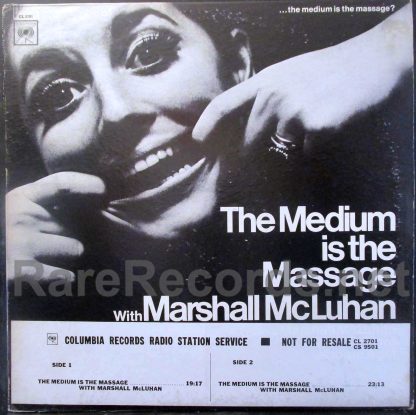
Marshall McLuhan wrote The Medium is the Massage in 1967 as a reflection on his theory published in 1964 that whatever medium something inhabited was the influential work in itself, not the cultural artifact actually created. Applying the concept to the modern world makes it impossible to ignore the current dominance of short form content, and its positioning within the current media ecosystem. The media institutions and independent creators of the world have acquiesced to a new medium, and we are all collectively dealing with the fallout.
Generational Shift
Cultural products across the zeitgeist: movies, music, sports, visual arts, are all being recalibrated to fit around the mold of shortform content. Being in college throughout the rise and takeover of TikTok in society’s collective consciousness, it became impossible to ignore. Every creative I had ever admired suddenly started to make short videos with quick cuts timed to whatever their platform of choice deemed preferable. Old rockstars, people far younger than I, the elderly, and everyone in between flocked to apps giving both users and creators the best algorithmic suggestions to try and break through the noise of everyone they were competing against.
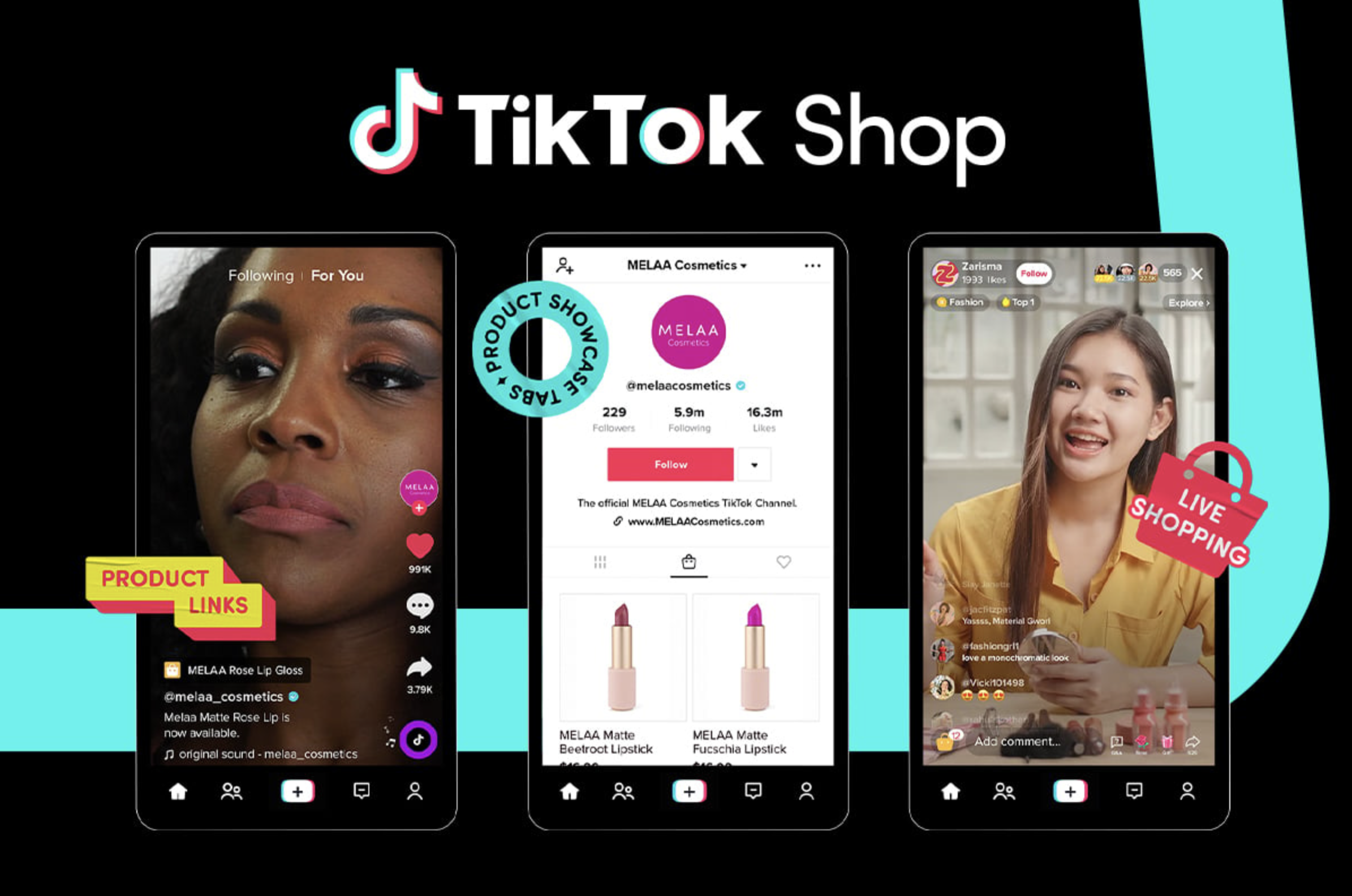
Large media institutions were able to ignore this shift for a while, but as the mass adoption of TikTok became more apparent, marketing teams could no longer sit idly as valuable advertising space sat without products. With TikTok for Business launching in 2019 followed by the TikTok LIVE API in 2020, advertisers were able to start utilizing and properly attributing this window space. Brands activated first, with companies like Chipotle, Grubhub, and Elf cosmetics starting the first activations on the app. Media institutions followed, Disney spent over $475 million on social and video ad spend and the streamers, in totality, spending over $1 billion.
Early Movers
Those who moved quickly saw great rewards. A study done by 5W Public Relations in 2021 showed that 28% of Gen-Z respondents to a survey had purchased an item through TikTok compared to 32% from Instagram. Because of this immediate capital gratification, we have seen companies starting to advertise based around the concept of short-form content from ideation all the way to execution. The hope is no longer to make something great that gets highlighted, it’s to create the highlights themselves in tandem with the product.
All of this is to say, in the post Medium is the Massage world, what becomes of these cultural products? As companies, artists, and users continue to change what they make to fit the medium, what are we left with? Looking at the current landscape of sports media, we can get an idea of how this change in medium has affected the product itself. The ever-tightening blinders and dwindling attention span of the average viewer due to the rise of SFC has completely altered the way we as a public interact with sports, and legacy media institutions along with their employees, are the ones left paying the price. In the following articles, I hope to show this connection and the disastrous effect SFC is having on sports and our cultural whole.
Get the SOS. Brief
The sharpest streaming intelligence, delivered to your inbox.