The Exit Wave - Attention Capital | A Column by Josh Stein
Editor's Note
Attention Capital is a syndicated column by Josh Stein decoding the economics of media, sports, and platform ecosystems — where attention becomes enterprise value and the contracts behind the cash flow get priced like the credit they actually are. Record M&A volume is sweeping the market, buyers are leveraging catalogs the day after closing, and corporate balance sheets are setting sale dates for cash-flowing assets. The record deal count isn't pure maturity — it's the invoice for a missing credit layer.
Sean Evans asked the questions for nine years. He got to own the show when his parent company needed the proceeds more than the show.
Run the tape. Hot Ones launched inside Complex’s First We Feast in March 2015 and never missed. At the sale: 25 seasons in the can, a 26th already announced, 14 million subscribers, more than 4 billion views on YouTube, and a guest chair that pulls anyone on earth into a conversation about wings. In December 2024, BuzzFeed sold it. $82.5 million, all cash, to a group that finally included the man in the chair.
Here is the sentence that matters, from BuzzFeed’s own announcement: “The proceeds of the transaction combined with a partial prepayment of the Company’s outstanding convertible notes has the Company operating with a cash balance that exceeds its remaining debt.” The seller told you why it sold, in its own press release, in accounting language. The strongest asset in the building went out the door so the building could get its cash balance above its debt. The show never missed. The notes got paid.
That was one deal. In the first half of 2026, there were 70, a record, per Quartermast Advisors’ count of creator economy M&A. The trades are filing the wave under maturity. This essay reads the whole wave through the one anatomy above, because the anatomy repeats, and because what happens the day after these closings tells you what the sale prices never will.
Welcome back to Attention Capital. In The Third Door, I argued that the creator economy’s capital structure is missing its credit layer: buyers arrived, lenders didn’t, and operators got handed a two-option menu that should have run three lines. This essay counts what that missing layer did in six months. A record exit wave is the bill for an absent instrument, and you can read the invoice line by line.
For the Attention-Constrained
The record.
70 creator economy acquisitions closed in the first half of 2026, the busiest half since tracking began, per Quartermast Advisors. For the first time, media properties passed software tools as the most-acquired category, 27.1% of deals against 24.3%. The standard reading is maturity. The standard reading deserves a second look.
The anatomy.
Hot Ones never missed an episode cycle in nine years. BuzzFeed sold it for $82.5 million in cash and said plainly that the proceeds, plus a prepayment of its convertible notes, took its cash above its remaining debt. By the seller’s own account, the timing of the sale served its capital structure. The asset’s performance drew the buyers.
The costume.
A founder with recurring audience revenue and no lender has one liquidity option: sell. In any other asset class, the menu runs senior debt, revolver, mezzanine, minority recap, then sale. Here the menu has mostly one line, so a record sale count carries sellers who wanted out and sellers who had no other instrument, printed in the same column.
The proof.
The buyers borrow against these catalogs the day after closing. Candle Media paid roughly $3 billion for Moonbug and $900 million for Hello Sunshine, and carries $1.4 billion of debt against the portfolio at a reported 12%. The credit exists. It enters the building after the founder leaves it.
The counter-case.
Smosh ran the sequence backward: Anthony Padilla and Ian Hecox financed a buyback of their company from Mythical through Breeze Financial in 2023, then more than doubled headcount. Debt before the exit, and the founders keep the company. One case, and it proves the mechanism by inversion.
I. The Anatomy of One Exit
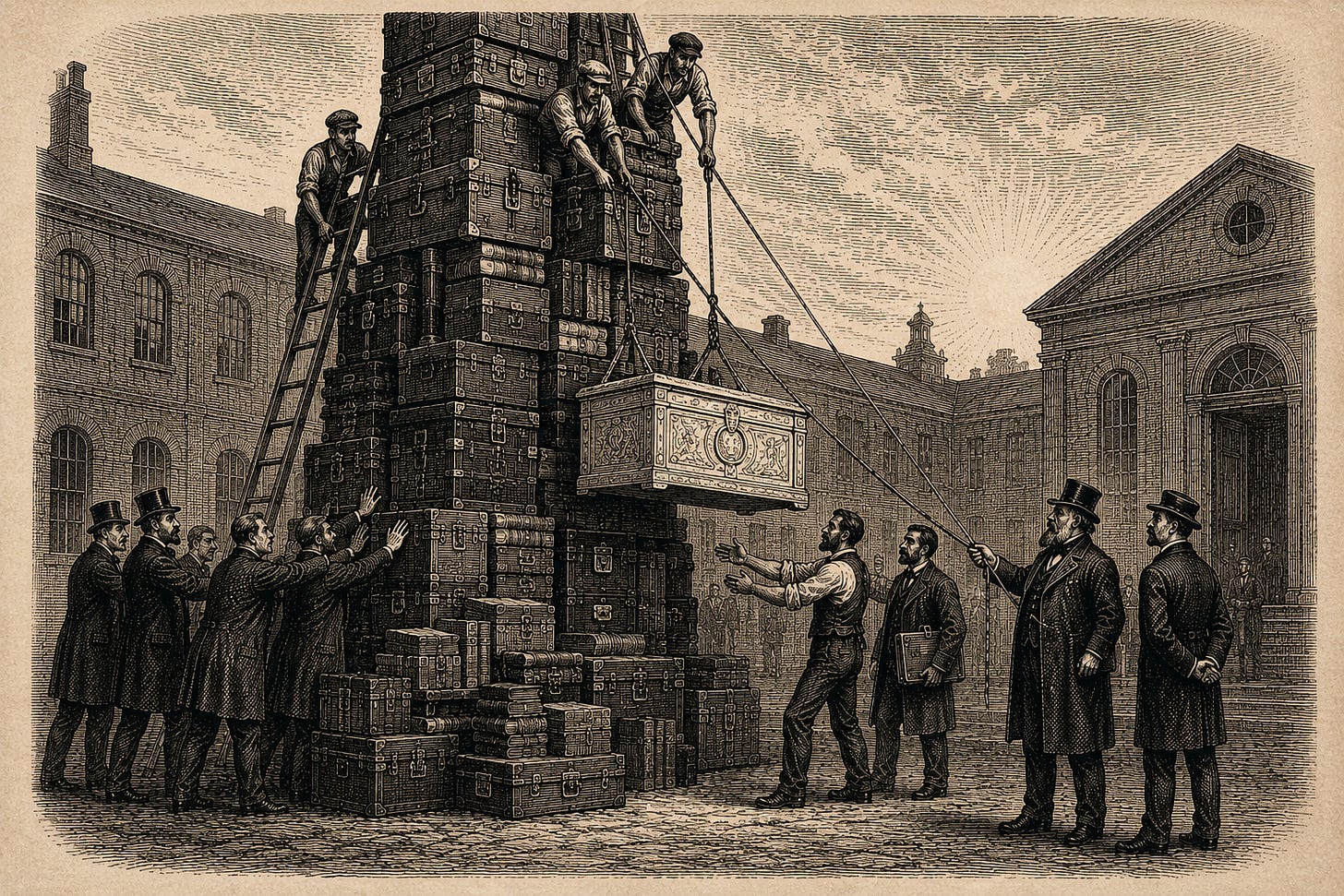
Walk the whole chain, because every link is load-bearing.
Chris Schonberger started First We Feast as a food blog within Complex Networks, and Hot Ones launched in March 2015 with Evans in the chair. In June 2021, BuzzFeed announced it would acquire Complex Networks for $300 million, $200 million in cash and $100 million in stock, as part of the SPAC merger that took BuzzFeed public that December. To help fund the transaction, BuzzFeed raised roughly $150 million in convertible notes. Hold onto those notes. They run the rest of this story.
The public listing underperformed, the notes sat on the balance sheet, and BuzzFeed spent 2024 selling assets to get its cash above its debt. In February, it sold Complex to NTWRK for $108.6 million in cash, keeping First We Feast. In December, it sold First We Feast itself: $82.5 million, all cash, to a consortium BuzzFeed described as led by an affiliate of Soros Fund Management, and First We Feast described as led by Schonberger and Evans, backed by Crooked Media and Mythical Entertainment. Both descriptions are true. The money led from one side, the operators led from the other, and the same closing served both. Schonberger became CEO. Evans became chief creative officer and kept the chair. The Hollywood Reporter noted that BuzzFeed had shopped the property for about a year, seeking roughly $70 million, and that it closed above the ask.
Every party in that chain behaved rationally. BuzzFeed carried convertible obligations and a fiduciary duty to manage them, and its announcement says exactly that: proceeds plus a partial prepayment of the notes left the company holding more cash than remaining debt. Its CFO framed the year’s work with a lender satisfaction: “We now have removed more than $150 million of debt since December 31, 2023.” A company that does what its balance sheet requires is doing its job.
Now read the same closing from the chair. The show had run nine years without a miss. The audience compounded through three corporate owners: Complex, then BuzzFeed by acquisition, then the consortium. At no point in that run did the format stumble, and at no point did the person carrying the format hold a piece of it. The equity arrived in year 10, and it arrived because outside capital and fellow creators wrote a check, with the timing explained, by the seller itself, through convertible notes raised three years earlier to finance an acquisition the show’s audience never heard of. Evans described the carve-out later, with a builder’s affection: “We were able to extract it like a Jenga piece.” The piece came out intact. The tower it came out of had been wobbling for reasons unrelated to the piece.
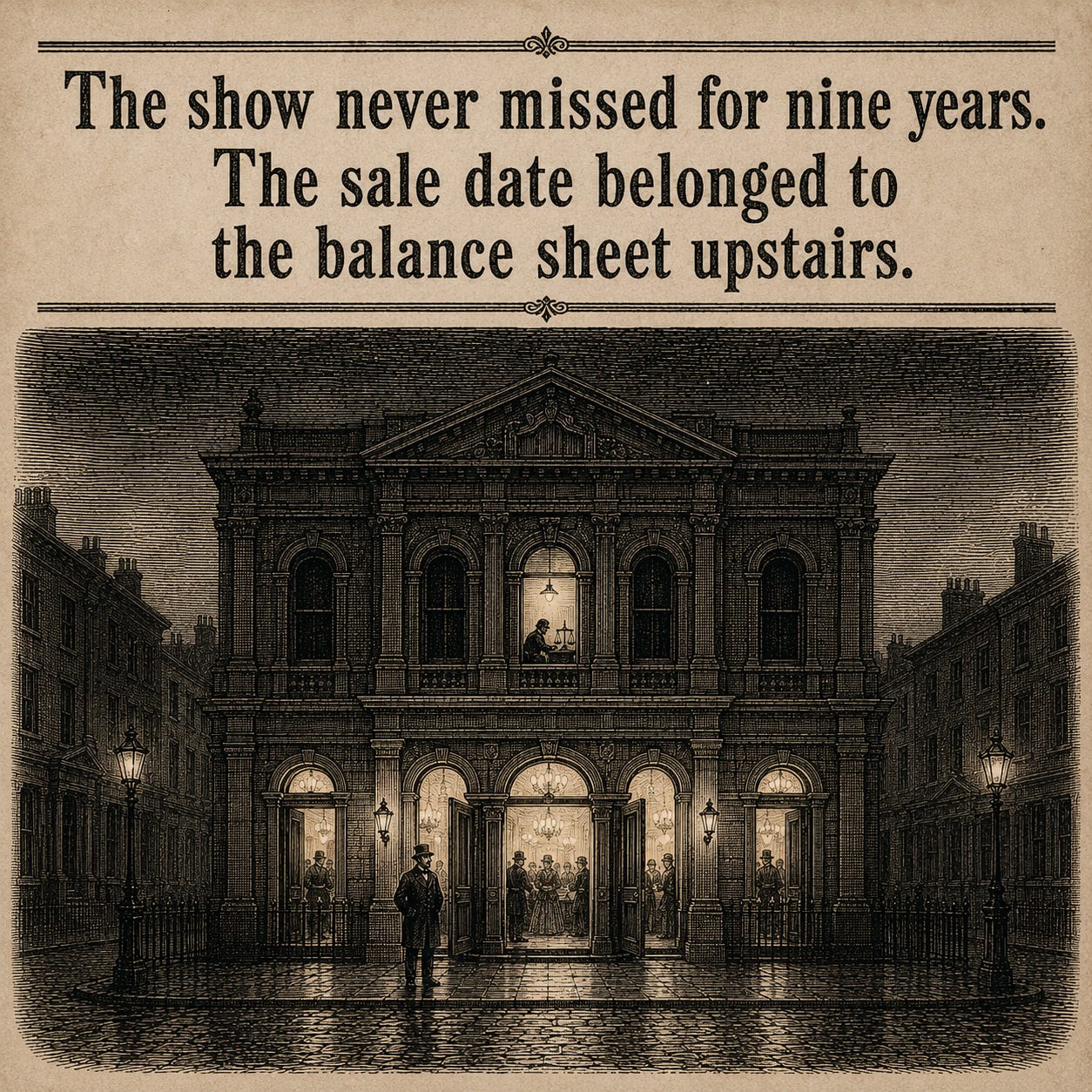
That is the anatomy: the performance of the asset and the timing of its sale ran on two separate clocks, and the clock that mattered was upstairs.
The show never missed for nine years. The sale date belonged to the balance sheet upstairs.
II. The Wave
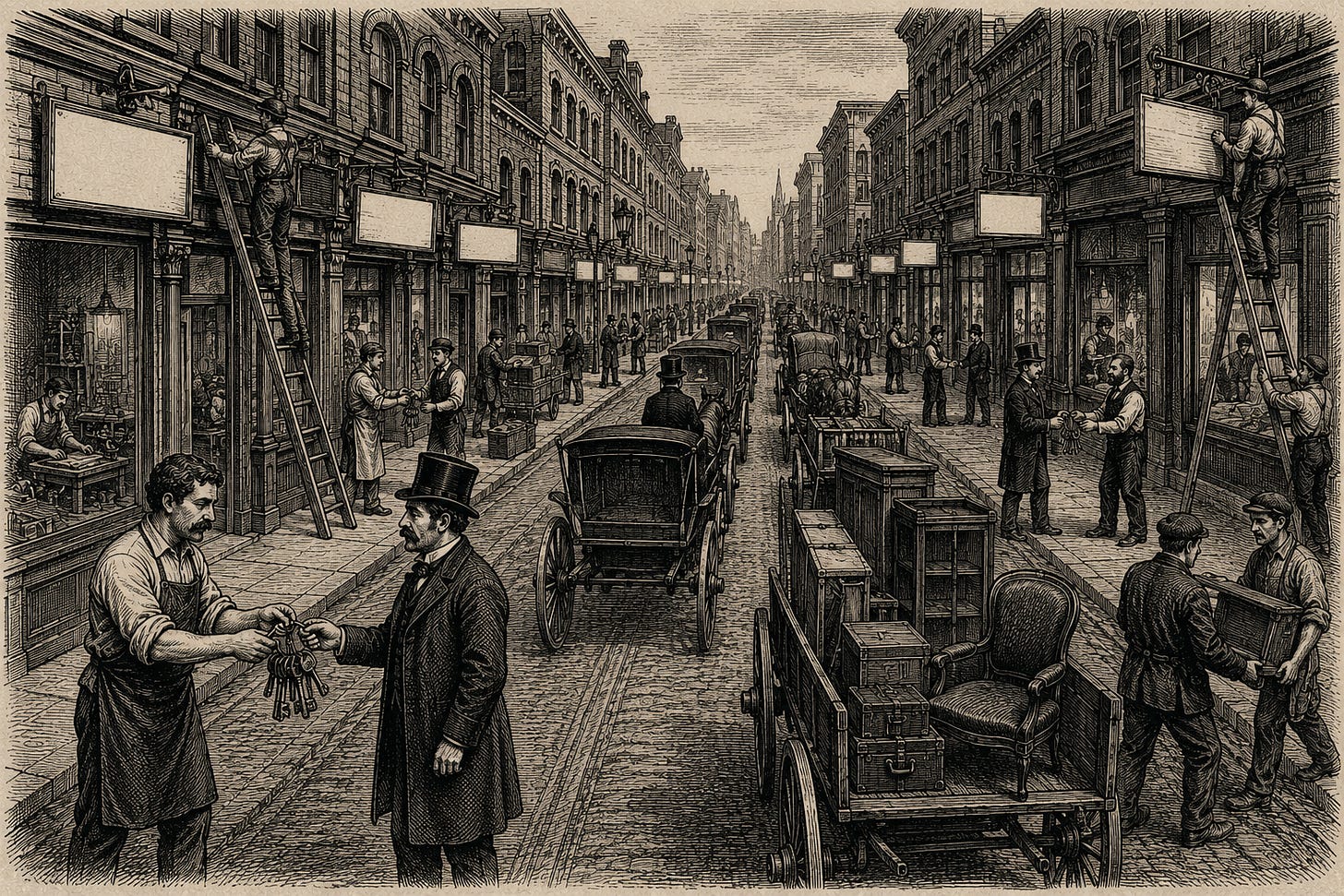
Hot Ones was one closing out of 70. Quartermast Advisors, the M&A advisory whose deal tally the trades now cite, counted 70 creator economy acquisitions in the first half of 2026 and called it the busiest run since it began tracking. The pace runs about 23% ahead of last year, per Natalie Jarvey’s read of the same data at Like & Subscribe, and last year was itself a record: 81 deals in 2025, up 17.4% from 69 in 2024. One composition detail stands out. For the first time since tracking began, media properties passed software tools as the most-acquired category, 27.1% of transactions against 24.3%. The buyers stopped favoring the picks and shovels. They started buying the audiences themselves.
The standard reading of a record like this is maturity, and the standard reading has real evidence. Institutional buyers keep arriving: the June prints alone included Accenture’s agreement to acquire Whalar, reported at over $500 million and described as the category’s largest transaction, and the CAA- and TPG-backed $250 million Compound Creative Holdings vehicle. One is a service-layer agency purchase, and the other a control-stake vehicle for creator businesses themselves, different floors of the same building, and both were covered in The Third Door. Prices are getting discovered. Bankers are building coverage groups. An asset class that spent a decade being called a fad now clears nine-figure checks from the economy's most conservative acquirers. All of that is true, and none of it should be argued away.
Set one more dataset next to the deal count before drawing conclusions. CreatorIQ’s compensation study found creator payments grew 59% in 2025, while the top 1% of creators captured 21 cents of every dollar, up from 15 two years earlier, and the top 10% captured 62. The median creator campaign paid about $3,000, roughly where it has sat while the total pool exploded. The money is growing and pooling at the same time, and it pools at the names capital can already read. That barbell matters for this essay because exits concentrate the same way: the top of the market gets auctions, and the investable middle gets a single bid or none.
So a record deal count in that market has two available explanations. Either an unusual number of founders decided, independently and simultaneously, that this was the moment to leave the best businesses they will ever own. Or some of those founders were holding an asset with exactly one liquidity mechanism: a sale. The coverage has mostly filed the first explanation. The rest of this essay checks the second.
A record year for M&A can mean a market maturing. It can also mean a market with one exit.
III. The Costume
Write it the way a credit memo would.
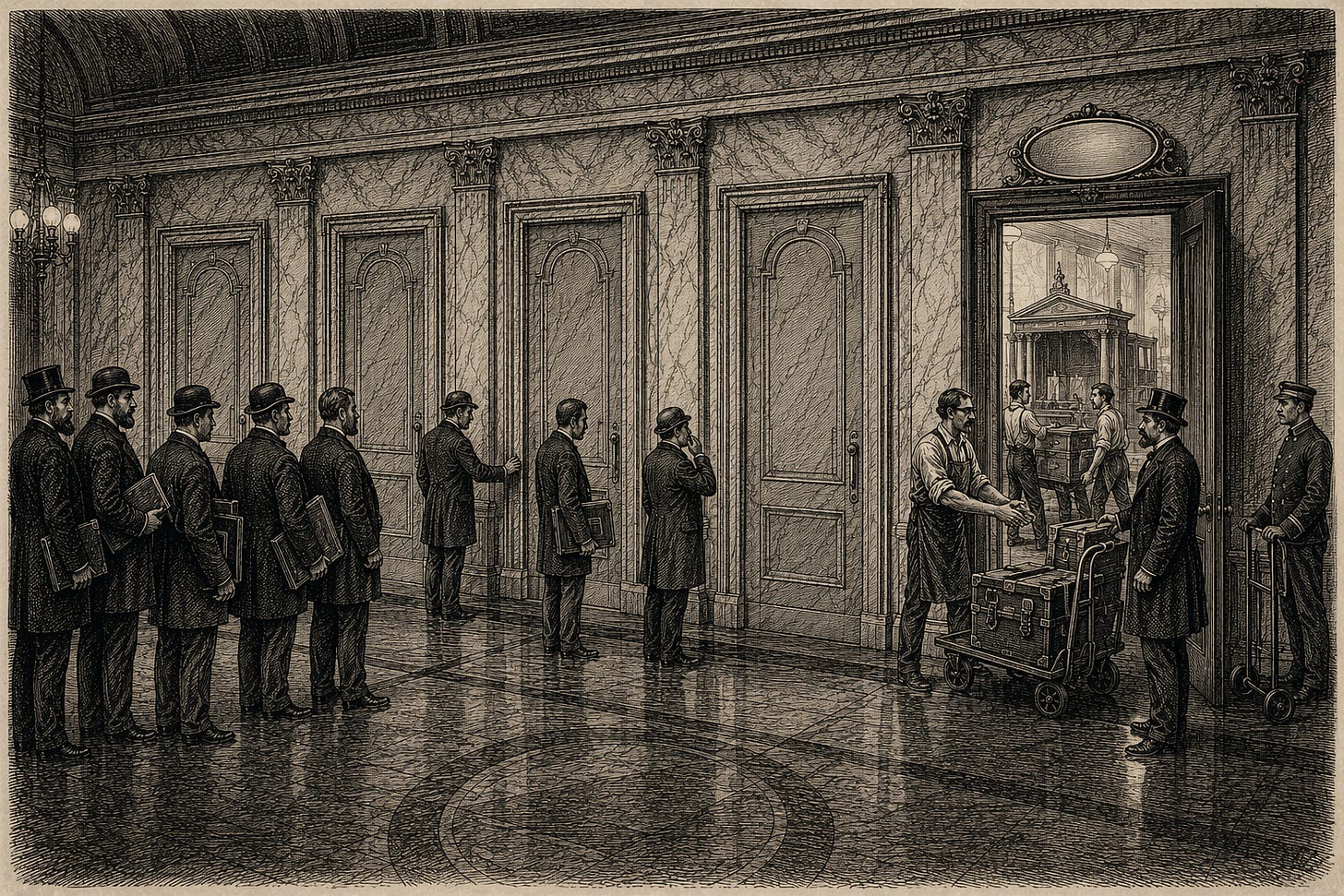
The borrower operates a media property with recurring audience revenue, documented margins, and a returning customer base measurable to the day. In any adjacent asset class, an owner of that cash flow chooses from a menu: senior secured debt against the recurring revenue, a revolver for working capital, mezzanine for expansion, a minority recapitalization to take chips off the table, or an outright sale. Five instruments, sequenced by how much ownership the founder keeps. Music catalog owners routinely walk this menu. Franchise restaurant operators walk it. Software founders walk it half asleep.
Why the menu shrinks matters, because the answer is structural and nobody in it is a fool. A senior lender needs three things before it can price a facility: collateral it can audit, a default history it can model, and a framework that tells the credit committee what this loan is comparable to. Music built all three over most of a century, which is why a catalog owner can refinance on a phone call, as I traced in The Playbook Already Built. Creator cash flow has the audit rails, courtesy of the platforms, and it has the recurring behavior. What it lacks is the comparables file and the underwriting shop willing to build one borrower by borrower. Lenders are conservative because that is the job description. The result is a market where the collateral is real and the counter is unstaffed.
A creator company founder walks up to that counter and finds one line on the menu. The sale. The early paper exists and deserves its due: Spotter reports it has deployed more than $1 billion to YouTube creators, up from $940 million at the time of Amazon’s 2024 investment; catalog advances are a functioning product, and the Smosh facility in Section V shows bespoke founder-side credit can close. Against an asset class where a single half-year prints 70 acquisitions and one agency clears $500 million, that volume is a rounding error. I made the structural case in When Attention Becomes Financeable and priced the gap in The Third Door: the collection rails exist, the cash flow is documented, and the standing debt market that prices this collateral still has not formed.
When the only liquidity is the door, sale volume stops being a pure signal. Some fraction of sellers in every quarter wanted out. Some fraction wanted $20 million in partial liquidity, growth capital, or an estate plan, and discovered that each of those requests routes to the same room with the same outcome: a change of control. The acquisition announcement reads identically in both cases. The costume is the same. What is underneath is a financing event that could find no financing.
Moonbug is the second anatomy, and it is the reason this section holds. The company behind CoComelon and Blippi was growing at a rate its founders could hardly narrate. René Rechtman said it directly at the time of the sale, per Variety: “We had no plans of selling our business. We’re growing like wildfire, and we had a lot of banks pitching up to go public next year.” The company had raised $272 million from Goldman Sachs, Raine Group, Fertitta Capital and others to assemble its catalog. Then Kevin Mayer and Tom Staggs arrived with Blackstone behind them and a check, reported by Bloomberg, of about $3 billion, and the founders, with no plans to sell, sold. Nobody in that room made an error. The bid was extraordinary, the fiduciary logic of accepting it was airtight, and the IPO the banks were pitching was a promise against a certainty. The structure did what a structure with one exit does: it converted an operator’s growth story into a change of control, because no instrument existed to fund the growth story under its own name.
When the only liquidity is the door, every sale reads as a choice and some of them were the absence of one.
IV. The Debt Shows Up After the Sale
Here is the centerpiece: the buyers’ own behavior, on the record.
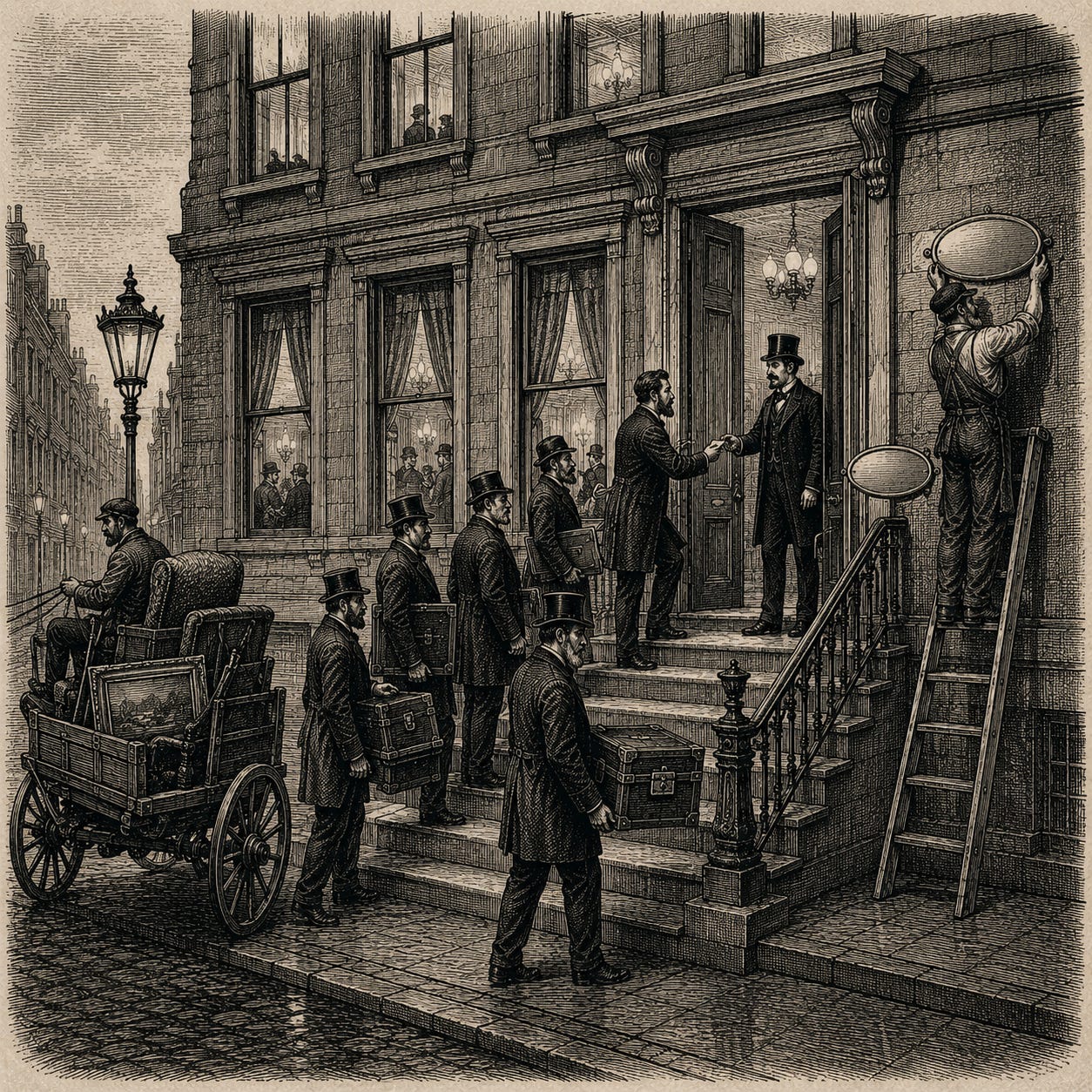
Candle Media, the Blackstone-backed vehicle Mayer and Staggs built, paid roughly $3 billion for Moonbug and north of $900 million for Hello Sunshine. Then it did what buyers of durable cash flow do: it borrowed against the portfolio. Semafor reported that Candle carries $1.4 billion of debt held by some of Wall Street’s biggest lenders, costing 12% and soaking up most of the company’s earnings, and Bloomberg reported the company seeking relief on its cash interest payments in late 2023. The same catalogs that never carried standing paper under their founders now carry $1.4 billion of it. The paper sits at the holdco level, against a diversified portfolio with an institutional sponsor behind it, and that is the point: wrapped in a structure a credit desk recognizes, the same cash flows price. Lenders will finance CoComelon’s cash flow. They priced it the day it had a holdco above it.
None of this reads as a buyer in retreat, and it should not. Semafor’s 2025 follow-up has Mayer consolidating the company around Moonbug and the kids’ catalog, the deepest cash flow in the portfolio, which is exactly what a disciplined operator does with leveraged assets in a repricing market. Candle is running its book. Blackstone is doing what capital does: financing the position it chose at the price the auction produced. All of it is evidence about the asset.
Mayer has been the most candid buyer in the category about what the equity math looked like afterward, and his candor deserves to be treated as evidence. “We paid at the top of the market,” he told Semafor in 2024. “Have the financials borne out the way we would like, to have to support the prices that we paid? Probably not.” Then, the operator’s coda: “Talk to us in two or three years.” Read that as a market datum, because that is what it is. The most sophisticated buyer in the space, backed by the largest alternative asset manager on earth, says the entry prices ran ahead of the cash flows. That is what happens in an auction where the seller has no reservation instrument: the buyer’s competition is other buyers, because the seller’s ability to wait never enters the room, and the clearing price detaches from the collateral in both directions. Candle overpaying and founders under-optioned are the same market failure observed from opposite ends.
Hold the two halves of the trade next to each other. Before the sale: an operating company with documented, recurring, growing audience cash flow, and no standing lender willing to price it. After the sale: the identical cash flow, the identical audience, the identical IP, now servicing, alongside the rest of the portfolio, $1.4 billion of debt at 12%. The collateral performed the whole time. What changed was the name on the borrower line, from a founder the credit market never built underwriting for to a holdco it already knew how to read. The gap was never the asset. The gap was the absence of anyone built to underwrite the asset where it actually lived.
BuzzFeed closes the loop on the seller’s side because its transaction involved debt on both sides. The convertible notes behind the timing were themselves acquisition financing, raised in 2021 to buy the company that housed the show. And the consortium that bought First We Feast included a financial buyer in Soros Fund Management writing the check alongside the operators. Debt built the conglomerate, debt explained the disposal, and capital structured the purchase. At no point in nine years was any of that machinery available to the people making the show. The credit was in the room before the sale and after the sale. It skipped exactly one party: the builders.
The same catalog that never carried standing paper under the founder’s name carries $1.4 billion of it under the buyer’s. The collateral didn’t change. The borrower line did.
V. The Counter-Case
One deal in this market ran the sequence in the other order, and it is the most instructive transaction in the asset class.
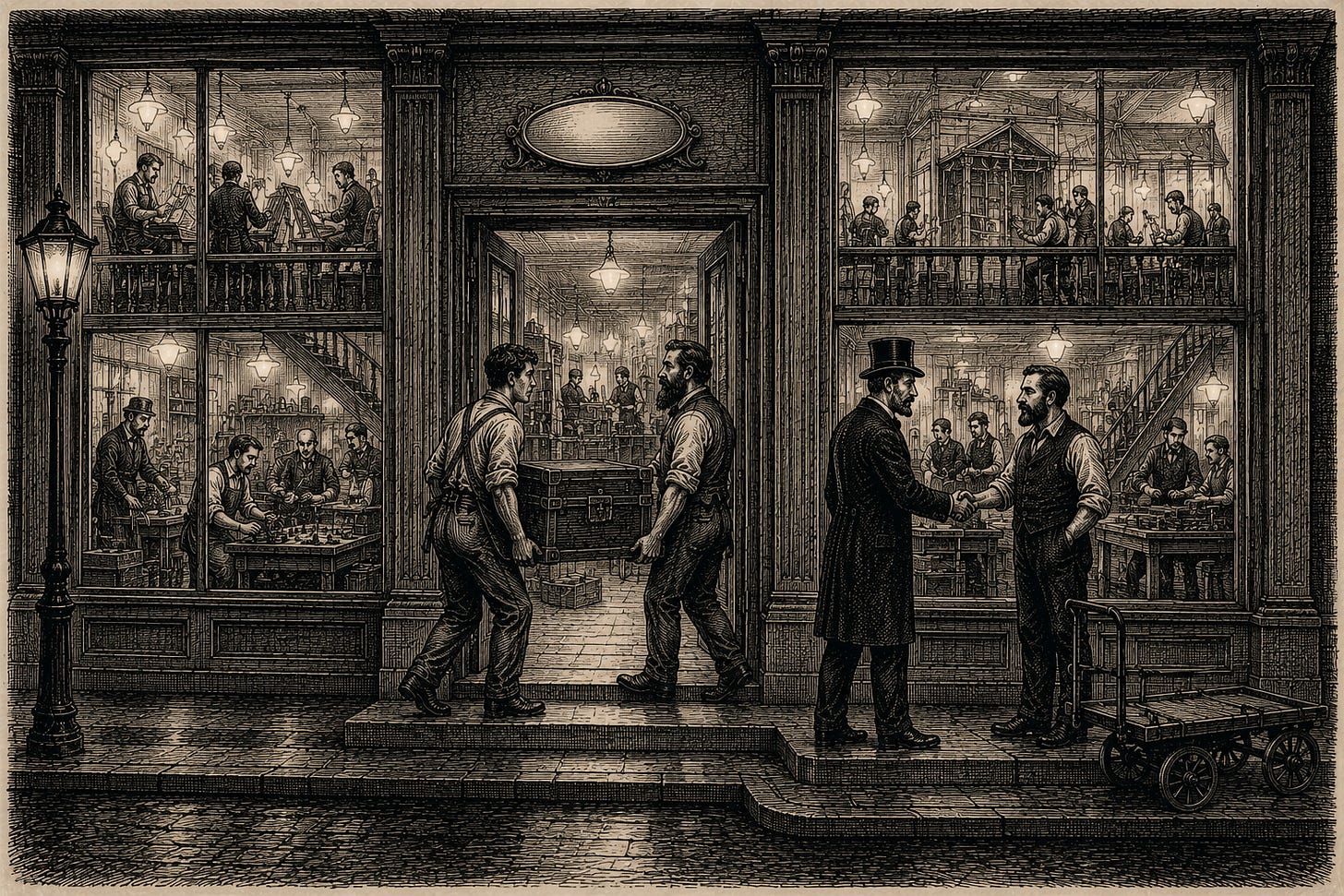
In June 2023, Anthony Padilla and Ian Hecox bought back a majority stake in Smosh, the company they founded, from Mythical Entertainment. They did not fund the buyback out of pocket, and no private equity firm took the keys. Variety reported the mechanics in one sentence: “Padilla and Hecox tapped creator capital provider Breeze Financial to finance the acquisition.” Mythical kept a minority stake and said it realized a significant multiple on its original investment. Debt arrived before the exit. So the exit went to the founders.
Then the asset showed what stewardship compounds into. By late 2025, Smosh employed more than twice as many people as it had at the buyback, per Fast Company, and had outgrown its studio, expanding it into a 32,000-square-foot facility, roughly double the old footprint, as I covered in The Living Room Already Changed Hands. The audience kept its stewards. The stewards kept the upside. The lender took a risk that the rest of the market keeps declining. Every party to the Hot Ones transaction received a rational outcome; Smosh shows the outcome tree when one more instrument is added. Same asset class, same era, opposite order of operations, and the order decided who owns the company today.
One case is one case, and discipline means saying so. Breeze wrote bespoke paper for two founders with 20 years of brand equity and a buyer willing to hold a minority stake. That is a hand-built bridge, and hand-built bridges are what an asset class has before it has infrastructure. Spotter’s $1 billion of deployment is advances against catalog, the shallow end of the same pool. None of this is a standing market. A standing market is when the fifth-best version of Smosh can refinance a buyback on quoted terms without anyone calling it a landmark. We are years from that. The point of the counter-case is narrower and it holds: when the instrument shows up early, the founder outcome inverts, mechanically, in the clearest live example we have.
Debt before the exit and the founders keep the company. The instrument’s order of arrival is the whole story.
VI. What the Wave Prices
Now sit in the allocator’s chair and price the market where the instrument exists, because that market is the one this wave is quietly arguing for.
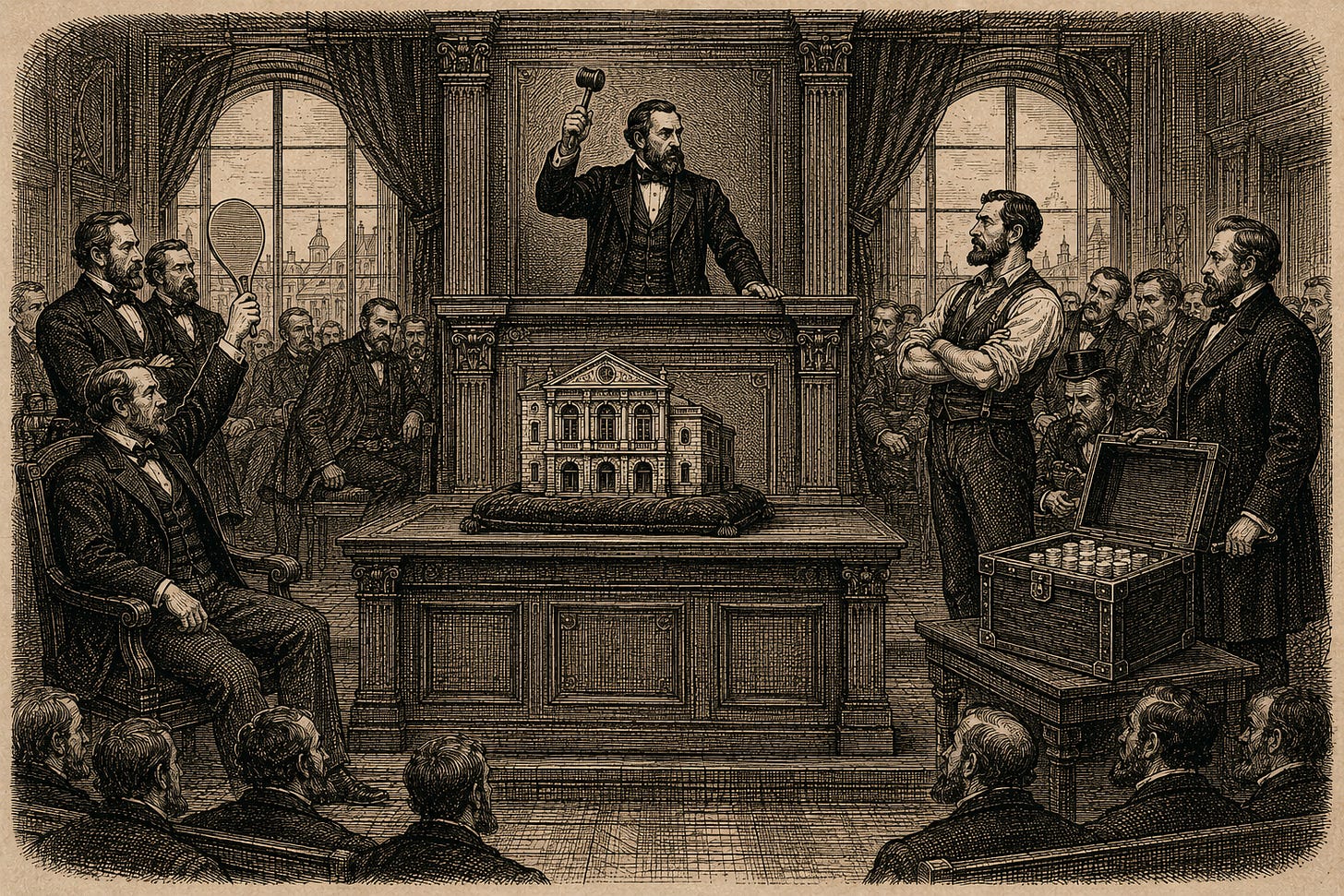
Start with volume. The day founder-level credit becomes a standing option, some fraction of each year’s sellers become borrowers. The forced-exit component drains out of the deal count, and M&A volume falls to the level of actual exit intent. A 70-deal half might have been a smaller one with a run of financings beside it. Nobody knows the split today, which is precisely the problem: a market with one instrument cannot observe its own composition. The wave’s size is partly a measurement artifact of the missing menu.
Prices move next, in a direction buyers will not enjoy. Today’s acquirer of a mid-market creator company negotiates from a position of no alternatives. The founder’s walk-away is continued illiquidity, and both sides know it. Put a credit bid in the room, even a modest one, and the auction changes: the seller who stays gets a reservation price, the seller who sells is selling by choice, and the clearing multiple moves toward what the cash flow is worth held. Buyers’ returns compress from equity-at-a-discount toward fair. Mayer already told you what entry prices look like when auction dynamics run without that anchor, in both directions at once: frothy at the top of the market, starved in the middle. Fair pricing in both tails is what maturity looks like, and it arrives only when the lender does.
The founders who borrow keep the compounding, and the compounding is the prize. Smosh doubled its headcount inside 30 months of a financed buyback. CoComelon’s audience went on to service 12% paper under its new owner. These cash flows can carry debt; the only question this market has never answered is who gets to own the equity above it while they do. Every year, the instrument goes missing; the answer defaults to whoever can write the biggest check at the only auction format on offer.
There is a fourth effect, quieter than the first three, that allocators should watch for. Deal quality improves. In a one-instrument market, the acquisition tape mixes true exits with disguised financings, and buyers cannot fully tell which they are bidding on. Some integration failures this industry files under culture may be the mechanical result of acquiring a founder who wanted a loan. Give the marginal seller an alternative, and the founders who still sell are the ones who mean it, with the succession plans and the handover intent that make integrations work. Lenders sorting borrowers from sellers is one of the oldest services credit performs for an economy. This asset class has been running without it.
And the barbell from Section II starts unwinding from the middle. The top 1% has the least need for the instrument; capital already reads their names. The investable middle, durable audiences, seven-figure revenue, no bulge-bracket coverage, is where illiquidity bites hardest and where a credit market would bind first. Concentration in creator earnings may be partly a capital-access statistic wearing a talent-distribution costume. Fund the middle’s growth without forcing its sale, and the 62 cents that pool in the top decile start leaking back down the curve.
An exit market with a credit alternative prices everything differently, starting with the exits.
VII. What Would Change This Read
The maturity reading deserves its full day in court, so give it one.
Plenty of the 70 exits were wins, full stop. Founders take checks because they are tired, because the offer is generous, because the strategic fit is real, because a decade is a long time to run anything, because life changes. M&A volume is also a genuine health signal: it means acquirers trust the revenue, diligence frameworks are in place, and integration playbooks work. The Whalar and Compound prints brought operating discipline and institutional capital into a market that needed both. The Ankler’s Natalie Jarvey read the H1 tape as convergence between traditional and digital media, and she is right. Convergence is what a graduating asset class looks like, and this essay’s argument sits inside it.
The concentration data cuts both ways too. Money pooling in the top decile can mean the underwriting apparatus fails the middle. It can also mean the middle’s assets are genuinely weaker: thinner moats, faster decay, platform-dependent demand of the kind I priced in The Rented Boom. Both explanations produce the same chart. This essay’s claim is scoped accordingly: it is about the marginal seller, the founder who would have chosen a different instrument had one existed. If the true count of marginal sellers is small, the wave really is mostly maturity, and the missing instrument is a footnote.
So name the falsification, publicly, with a clock on it. If founder-level credit deepens materially over the next 24 months, more Breeze-type facilities, real catalog-backed lending at scale, a standing refinancing market, and exit volume holds or rises at the same prices, then the forced-exit component was smaller than this essay reads it, and I will say so in this space. The watch-signals are specific: facility announcements at the founder level, buyback transactions that rhyme with Smosh, and the most decisive of the three: the price spread between deals where a credit bid existed and those where it did not. That spread is the market grading this essay in real time.
Closing
Come back to the chair one last time.
Season 26 of Hot Ones launched in January 2025, with the 10th anniversary inside it and the host holding equity at last. The format never missed. The audience never left. The ownership finally landed where the work had been happening the whole time, one deal, nine years late, and only because a balance sheet upstairs wanted its cash above its debt at the exact moment a consortium was willing to form. Evans won. Schonberger won. BuzzFeed did its duty to its noteholders. Even the notes got paid. It is a happy story, and it should unsettle you anyway, because the happy ending rested on luck, and the 70 closings this half each rolled the same dice with less press coverage.
The wave will keep printing either way. Quartermast will count the second half, the trades will file it under momentum, and every announcement will read like a choice, because announcements always do. The question the record half leaves behind is the same question from two seats. For the founders: which instrument would you have chosen, if the menu had more than one line? For the capital: how many of this year’s sellers would have been borrowers, at what spread, secured by cash flows you can already read to the day? Somewhere in those 70 closings is the answer, and nobody, on either side of the table, currently knows it.
What does it cost to keep not knowing?
Why Subscribe
Because a record exit wave just printed, and the most important fact about it is the instrument that wasn’t in the room.
Every week, Attention Capital tracks how documented audience behavior becomes enterprise value: the deals, the debt that shows up after them, and the credit layer this asset class is still missing. If you allocate capital, this is where the next lending market shows its shape before the first standard facility prints. If you operate a media or creator business, this is where the menu you were never shown gets written down. If you build audiences, this is the market learning, deal by deal, what your cash flow is actually worth under your own name.
Get the SOS. Brief
The sharpest streaming intelligence, delivered to your inbox.