Angels, Kings Launch Own Network After RSN Collapse

The Los Angeles Angels are launching their own regional sports network in partnership with the NHL's Los Angeles Kings, becoming the latest franchise to seize control of its broadcast future after the collapse of the legacy RSN model. The network, which has not yet been named, will replace FanDuel Sports Network on cable and satellite providers across Southern California.
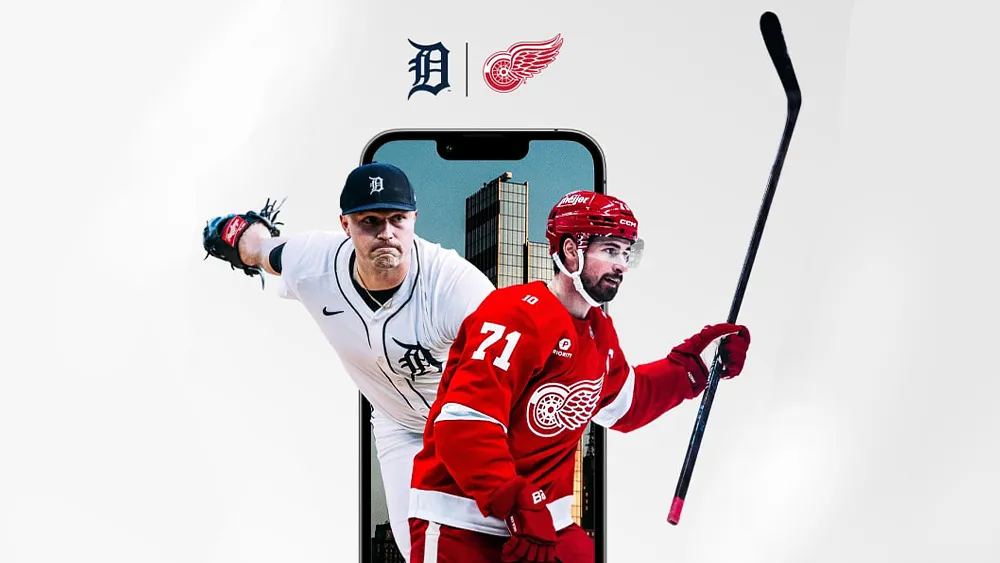
- The pairing: The new network brings together one MLB and one NHL franchise under a single umbrella, mirroring the structure of Detroit SportsNet, which will carry the Tigers and Red Wings. The deal involves the Angels purchasing a stake in Main Street Sports, the financially distressed parent company of the FanDuel-branded RSNs. Final details are still being finalized, with an official announcement expected next week.
- The streaming play: Fans who want to stream locally without blackouts will be able to do so through MLB's distribution infrastructure, priced at $99.99 for Angels-only access or $199.99 for the full league package. On-air talent is expected to remain in place, and television viewers on traditional cable and satellite should see little disruption.
- The money math: The Angels were previously earning $125MM annually from their deal with Main Street (then Diamond Sports Group). Local streaming revenue will offset some of that loss, but not all of it.
Owner Arte Moreno acknowledged the broadcast uncertainty has directly impacted payroll, which dropped roughly $25MM year over year. "We've got to get our TV thing worked out and we just have to improve our brand" Moreno said.
The Angels are the last of nine MLB clubs to exit their FanDuel Sports Network deals after Main Street defaulted on payments earlier this year. Six teams pivoted quickly to MLB-managed broadcasts. Atlanta launched the team-owned BravesVision. Detroit stood up Detroit SportsNet with heavy MLB involvement. Now the Angels complete the set, and the pattern is clear: the RSN era is over, and what replaces it is a patchwork of league infrastructure, team-owned entities, and direct-to-consumer streaming.
Read about what we think that could look like here.
Get the SOS. Brief
The sharpest streaming intelligence, delivered to your inbox.