TiVo Ads Is Building a Household ID That Follows You Into the Car

The television advertising industry has spent decades optimizing for the living room. TiVo Ads is building infrastructure for the screen everyone is ignoring — and by audience quality, the most valuable one in the house...err garage.
Matt Milne, President of TiVo Ads and Chief Revenue Officer of parent company Xperi, outlined the company's targeting ambitions in an interview published Monday: a household-level identifier that connects ad delivery from the home screen to the in-car dashboard. Not mobile. The car.
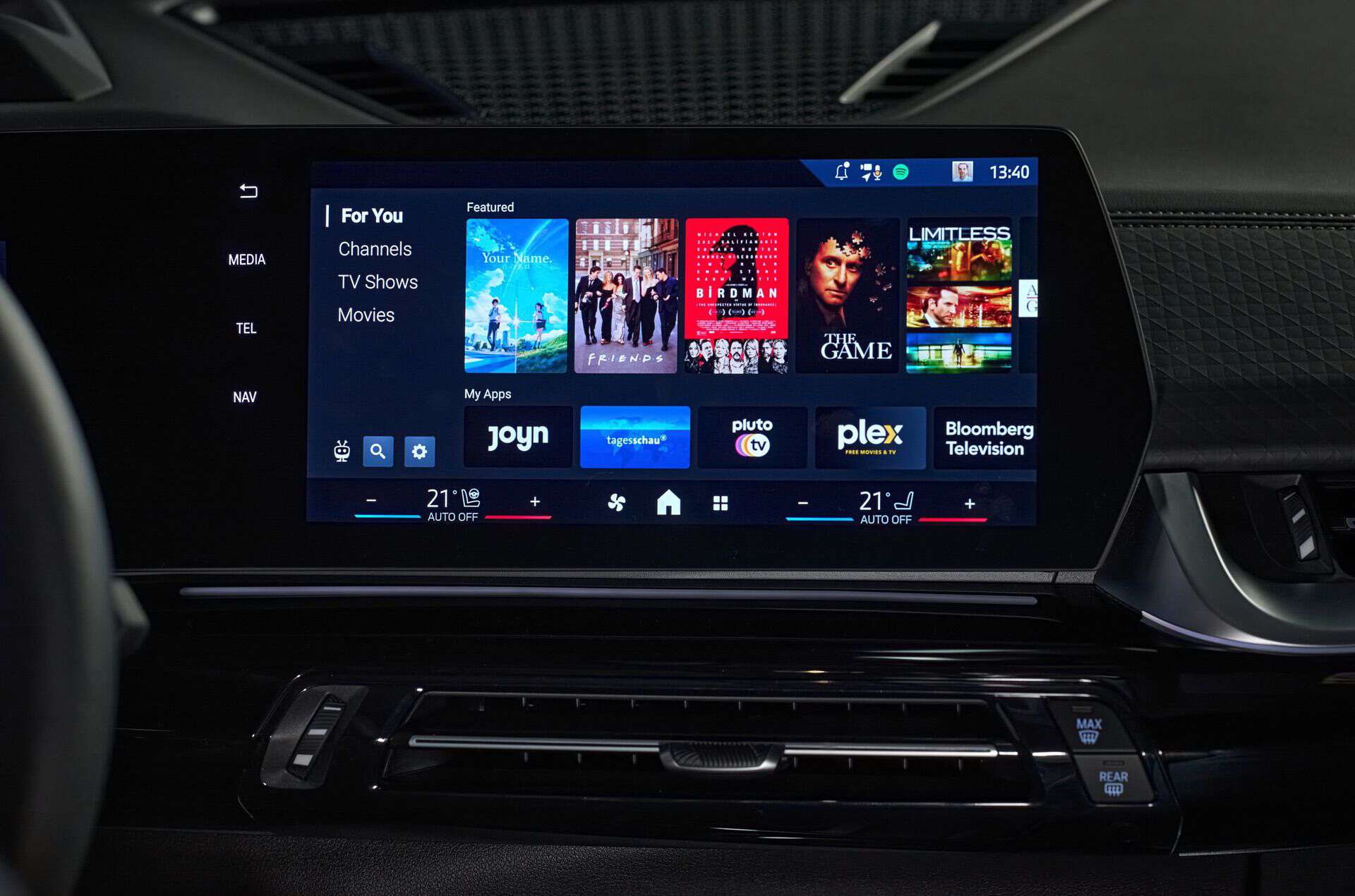
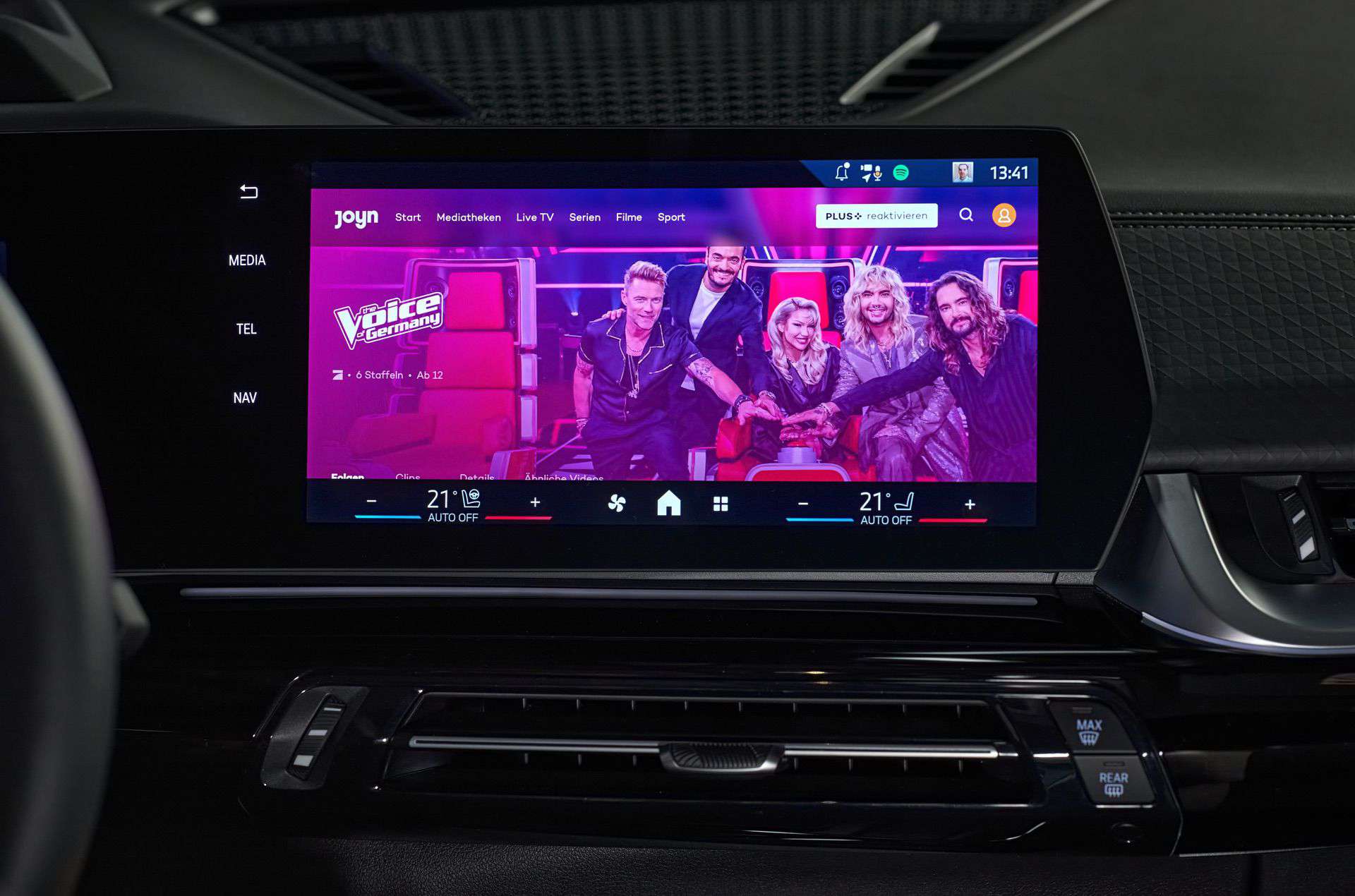
The underlying platform is DTS AutoStage, Xperi's connected-car entertainment system combining broadcast radio, streaming video, and gaming content in the vehicle dashboard. As of early 2026, the platform powered more than 14 million vehicles globally, up from 10 million at the start of 2025. The 0.85% global vehicle penetration figure — 14 million against an estimated 1.645 billion cars on the road per Hedges & Company — is not the story. The audience is.
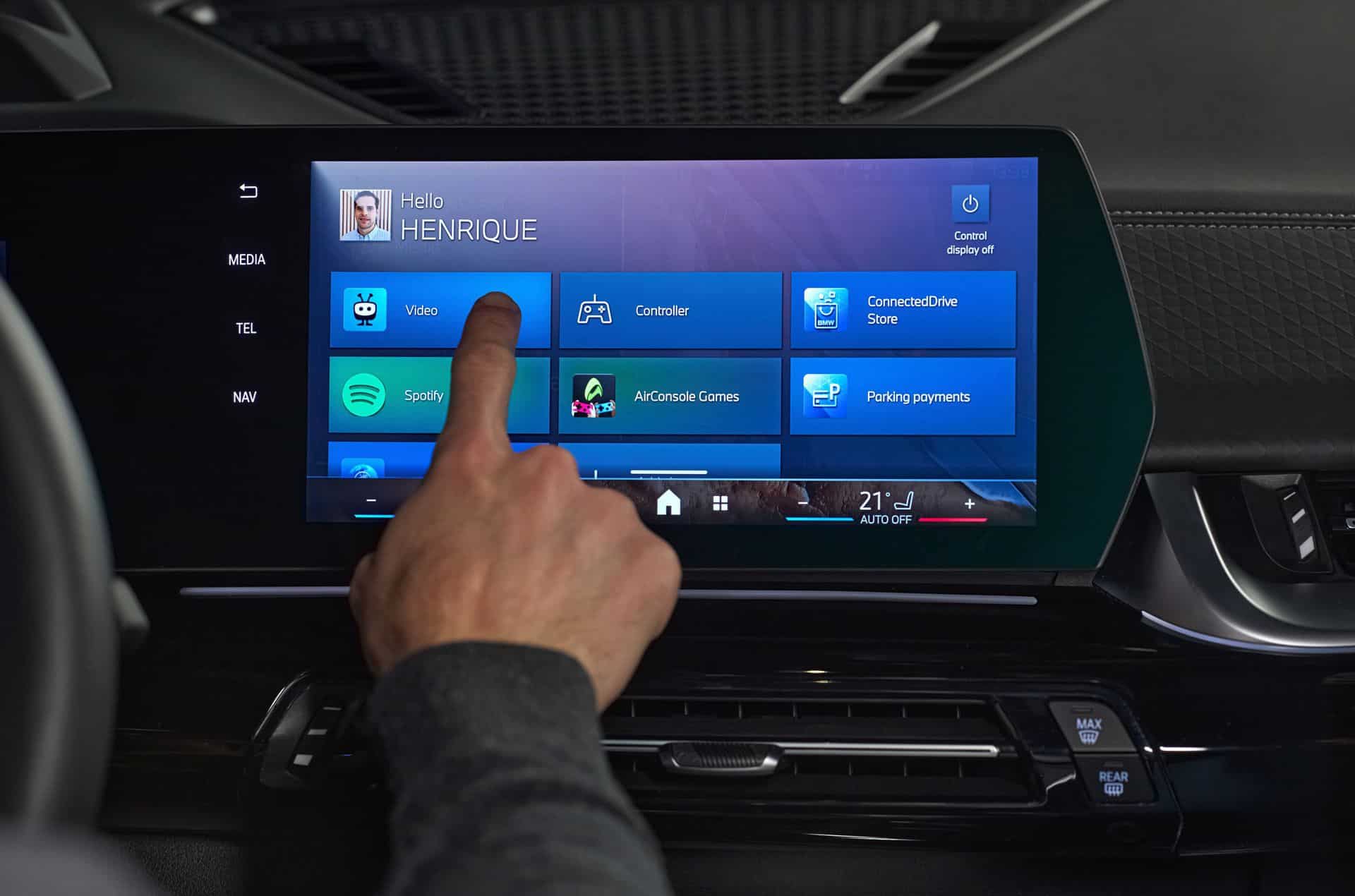
DTS AutoStage launched with BMW and added Mercedes-Benz at CES 2026. Those two OEM partnerships define who is sitting in these cars. New BMW buyers carry an average household income of $124,800 with a median age of 56, per Hedges & Company owner data. Mercedes-Benz buyers report a median household income of $119,500, with 64% college-educated and 63% in professional or managerial roles, per Mercedes-Benz's own buyer data. This is a high-income, professionally active audience that media buyers routinely describe as hard to reach and expensive to find across traditional television inventory.
The in-car surface adds a dimension that connected TV (CTV) cannot replicate. The viewer is not scrolling past. There is no competing app pulling attention to another screen. And unlike passive lean-back viewing at home, the car cabin is a captive environment — the content is on the most important screen in the space. That distinction matters for cost per thousand (CPM) pricing logic. A captive, verified, high-income impression in a BMW or Mercedes dashboard is a structurally different asset than a skippable pre-roll served to the same household on a living room television.
What makes the infrastructure interesting is the data loop underneath it. Xperi sends content into the car and receives behavioral data back. Xperi's own published survey data shows most in-car video sessions run under 20 minutes and occur primarily while parked — a profile that does not square with the as-advertised five-hour daily average. The engagement claim should be treated as directional vs. definitive and the audience quality argument does not depend on it.
The pitch to advertisers is that the household ID bridges home and car directly — no mobile-phone intermediary, no device-graph inference. A campaign flight that reaches the same high-income household on the living room CTV and again on the dashboard becomes, in theory, a single addressable unit. Sequential messaging across environments without stitching together probabilistic identity graphs.
HD Radio receivers, Xperi's North American digital radio standard, are now in more than 110 million vehicles — approaching 60% of new cars shipped annually in North America. That installed base is the long-term distribution argument. DTS AutoStage is the addressable layer being built on top of it. The BMW and Mercedes footprint is where the premium CPM case gets made today; the HD Radio footprint is where scale eventually follows.
The Samba TV partnership announced April 7 adds measurement to the inventory. TiVo supplies the inventory and managed service advertising relationship with brands and agencies; Samba supplies independent cross-platform campaign measurement. The deal is formally symmetric, with preferred designations running both directions. It is functionally asymmetric. Both companies have stated explicitly that the UK launch is the first step toward wider global expansion.
The "powered by TiVo" positioning holds all of this together. Xperi operates as a white-label infrastructure layer — it does not run its own streaming service, build its own hardware, or acquire content rights. That restraint keeps it off the competitive radar of the platforms whose inventory it touches. The moment Xperi tries to own the consumer relationship directly, the OEM partnerships that give it access to the vehicle data chain become complicated.
The vehicle-as-ad-surface thesis is not new. What TiVo Ads is building is the connective tissue between that surface and the living room — a persistent, deterministic identifier that turns the in-car impression into part of the same campaign flight as the CTV impression at home. If the household ID works at scale, the car stops being a separate media buy. It becomes an extension of the household addressable universe, accessed through one of the hardest audiences in advertising to reach cheaply anywhere else.
Get the SOS. Brief
The sharpest streaming intelligence, delivered to your inbox.