YouTube Already Chose Not to Be Hollywood - Attention Capital | A Column by Josh Stein
Editor's Note
Attention Capital is a syndicated column by Josh Stein decoding the economics of media, sports, and platform ecosystems — where attention becomes enterprise value and the contracts behind the cash flow get priced like the credit they actually are. This piece debates the loudest argument in media right now: that YouTube didn't take over Hollywood, Hollywood isn't dying, and the war narrative is costing both sides real money.
Two victory laps are running in media right now, and they share a track. One chorus says Hollywood is finished: the audience moved to the platforms, the studios are managing decline, and the creators won. The other chorus says the creators are a bubble: the payouts are soft, the burnout is structural, and the studios will absorb the best of them, as they absorbed radio stars and cable auteurs before. Both camps hold up the same exhibit. YouTube commands 13.4% of US television viewing, more than Netflix, more than any single network, as I wrote in The Living Room Already Changed Hands. One side reads that number as a conquest. The other reads it as a peak.
Both describe a takeover that never happened because the two things were never in the same business.
Set the definitions side by side and the whole war dissolves. Hollywood is shorthand for an integrated global stack: it develops stories, finances them, packages them, insures them, produces them, distributes them, windows them, and monetizes them, along with everything ancillary to them, across every medium, on every continent, for decades per title. YouTube is a search and discovery company that happens to be video. It performs exactly one of that stack’s functions, distribution, at a scale no studio ever touched, and it added the one function the stack never had: measurement. YouTube is not Hollywood. Not by definition, and, as this essay will show with dates and receipts, not by choice either. The platform ran the experiment of becoming a studio, produced a genuine hit, let the hit go to Netflix, and retired the operation on purpose.
Welcome back to Attention Capital.
This publication argues one thing from every angle: documented audience demand is a financeable asset. That argument needs both machines described precisely, the one that counts the audience and the one that converts the audience into decades of cash flow. The victory-lap crowd keeps grading them against each other. This essay grades them as what they are, two halves of one industry, and totals what the confusion is costing everyone who believes it.
For the Attention-Constrained
The claim
The loudest story in media, that YouTube took over Hollywood or is about to, gets the category wrong. YouTube performs one of Hollywood’s functions, distribution, at unprecedented scale, and added a function Hollywood never had, continuous public demand measurement. Today it performs none of the others, by design. Nobody took over anything.
The definitions
Hollywood is an integrated stack: development, financing, packaging, insurance, physical production, distribution, windowing, and monetization across every surface for decades per title. YouTube indexes, surfaces, recommends, counts, and splits ad revenue. Today it develops nothing, finances no productions, bears no production risk, and owns almost none of the IP it carries.
The choice
YouTube tested the studio business itself. YouTube Red launched as a subscription-based originals service in October 2015, rebranded as Premium in May 2018, and built a real scripted hit with Cobra Kai. In 2020 it let the hit go to Netflix, and in January 2022 it announced it was phasing out most originals and redirected the budget to creator programs. Revealed preference: the census business beat the city business, and the company acted on it.
The receipts
Every exhibit in the takeover story monetized inside the old system. Iron Lung’s $50 million came through 3,015 theaters. Obsession’s roughly $15 million came from Focus at TIFF. Backrooms’ record opening came through A24. Cocomelon and Ms. Rachel became Netflix hits. The platform proved the audiences. The system paid the money.
Why it matters
The category error bills both sides. Creators mistake reach for infrastructure and build businesses one algorithm change wide. Studios treat the largest free demand-measurement instrument in history as a marketing line and keep paying for proxies. Filmmakers and creators are one class split by a distribution accident, and the accident is ending.
I. What Hollywood Actually Is
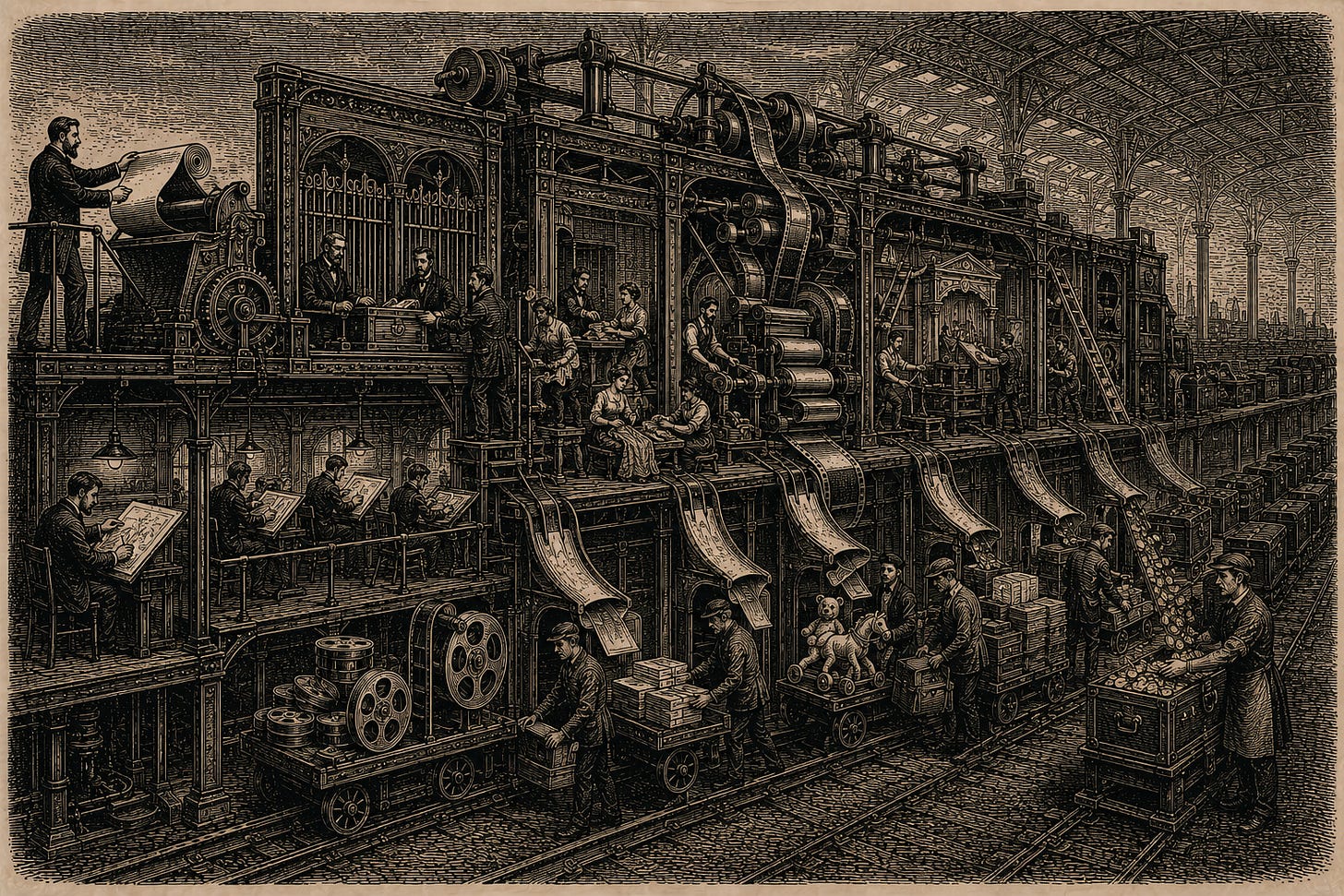
Start with the word everybody uses, and nobody defines. Hollywood, in the mouths of both choruses, means a place, an aesthetic, a set of legacy institutions overdue for disruption. In the mouths of the people who finance films, it means something else entirely: the only fully integrated apparatus on Earth for converting a story into decades of cash flow on every surface that exists. Walk the stack function by function, because the essay’s whole argument sits on knowing what the machine actually does.
Development. Somebody reads thousands of scripts to find the 12 worth making, then assembles the package: the writer, the director, the cast, the budget, the schedule. Packaging is a craft the industry spent a century professionalizing, complete with its own guilds, agencies, and case law. Before a frame exists, a package can be valued, shopped, and financed, because the system has priced packages long enough to know what one is worth.
Financing. This is the part the takeover story never describes, because it is invisible from the outside and staggering from the inside. Film capital arrives in engineered layers: senior debt against distribution contracts, foreign pre-sales licensed territory by territory before the film exists, tax-credit receivables lent against at a discount, gap and mezzanine tranches, completion bonds guaranteeing that a half-finished film gets finished, and equity at the bottom absorbing what nobody else will hold. The mechanics fill practitioner treatises, Mark Litwak’s standard overview among them. No other content business finances a single project with an apparatus this deep, because no other has spent a century convincing lenders that an unmade story can serve as collateral.
Production. Physical execution at industrial scale: soundstages, crews, unions, insurance, weather contingencies, stunt safety, currency hedging on foreign shoots. The studio bears completion, liability, and schedule risk on projects that routinely cost more than $200 million, and it bears them well enough that insurers price coverage. Risk-bearing is a competency. Hollywood has more of it than any content industry ever assembled.
Distribution and windowing. Theatrical release across 60-plus countries, then the sequenced cascade: premium video-on-demand, home entertainment, pay TV, streaming licenses, free TV, airline and hotel rights, each window priced against the last. A studio picture earns for 40 years because the system was engineered to resell the same story to the same audience in a dozen formats at a dozen price points.
Monetization of everything ancillary. Merchandising, licensing, games, publishing, live experiences, theme parks. A character created in 1977 still sells lunchboxes. A film library is a bond portfolio with better branding, and the studios learned to run it that way decades before anyone put the words attention and asset in the same sentence.
One more property of the machine deserves respect before we move on: it survives format transitions. Radio was supposed to kill it, then broadcast, then cable, then home video, then streaming. Each time, the machine absorbed the new pipe as one more window in the cascade and kept converting. The buildings on the lot are scenery. The asset is the integration, and the integration has outlived every technology that was going to end it, which is worth remembering when reading the current obituaries.
That is Hollywood. An integrated machine for manufacturing durable cash flow out of narrative, staffed by the only workforce alive that knows how to run it. Nobody else has built one. Not the platforms, not the streamers born with software margins, not the sovereign funds that keep trying to buy their way in. The machine deserves the respect an underwriter gives to any asset that has fulfilled its obligations for a century.
Hollywood was never a place. It is the machine that turns a story into 40 years of cash flow across every existing surface.
II. What YouTube Actually Is
Now describe the other machine with the same precision, because it deserves the same respect and almost never gets described accurately by either chorus.
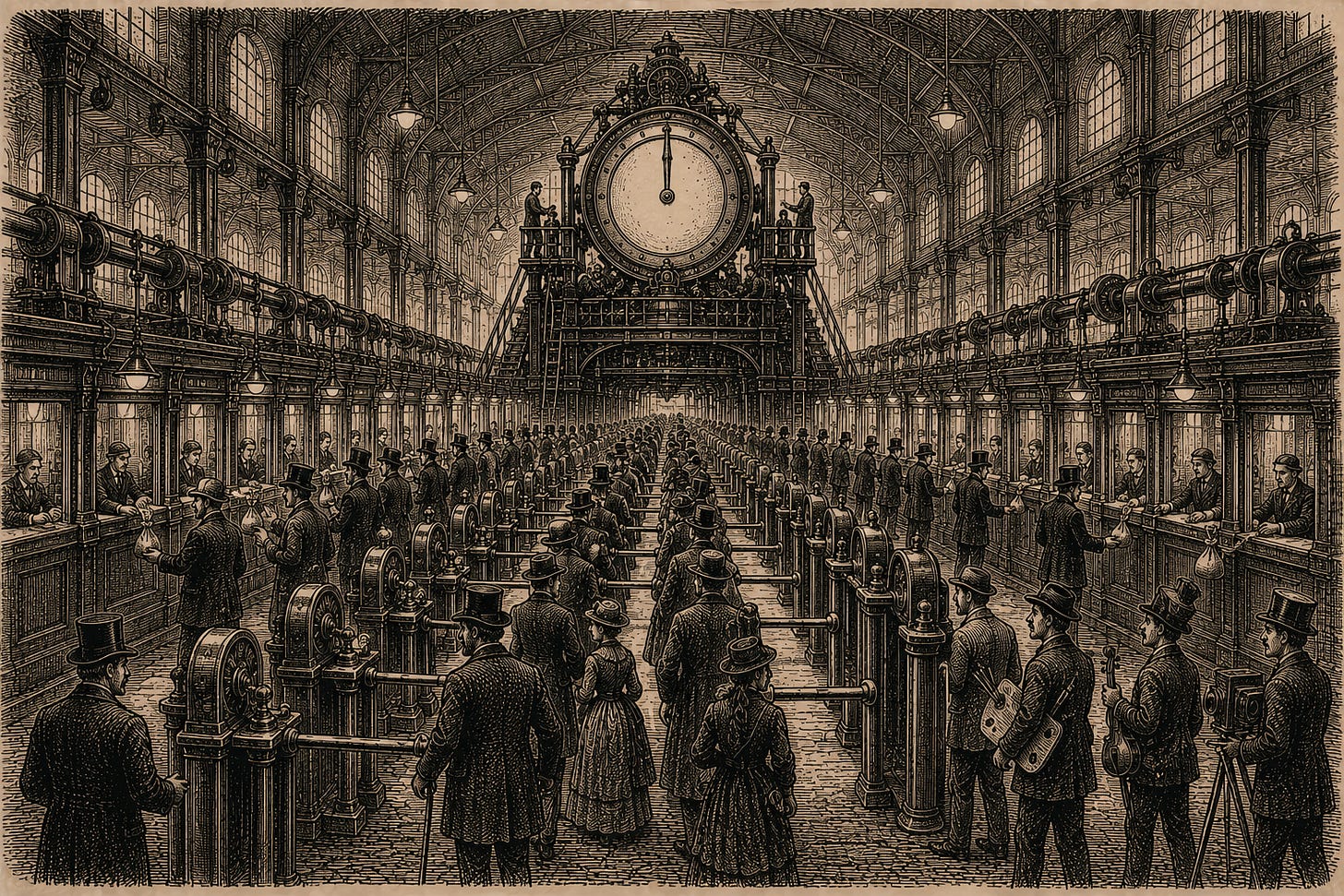
YouTube is a search and discovery company that happens to be video. It is owned by a search company, engineered like a search company, and monetizes like a search company: its parent sells advertising against attention, and YouTube supplies the attention. What it actually does, mechanically, is index, surface, recommend, count, and split. It ingests a volume of content no human institution could review, more than 20 billion videos since 2005 with roughly 20 million more arriving every day, per the platform’s own 20th-anniversary accounting in Variety. It matches each video to the viewers likeliest to want it, counts every second of the encounter, and splits the resulting ad revenue with the person who made it. That split has moved more than $100 billion to creators, artists, and media companies over four years, per CNBC’s September 2025 coverage of the company’s announcement.
Hold that against the stack from Section I. YouTube performs one of Hollywood’s functions, distribution and discovery, and performs it at a scale the studio system never approached. The 13.4% of US television viewing, the number both choruses wave, is a distribution statistic, and it is a staggering one: as I wrote in The Living Room Already Changed Hands, no single network or streamer touches it.
Then YouTube added the function Hollywood spent a century wishing for. Measurement. Public, continuous, per-viewer demand data on every piece of content it carries. Views, watch time, retention curves, return behavior, all counted in real time and much of it published where any buyer can read it. Hollywood developed tracking surveys and exit polls because it could never directly observe the audience. YouTube watches the audience directly, at civilization scale, for free.
Now the other half of the description, stated as description and nothing else, and dated: this is the company as it runs today. YouTube develops nothing: no script coverage, no packaging, no talent assembly. It finances no productions: the creator carries every dollar of production cost and every hour of production risk. It packages no talent, insures nothing, bonds nothing, and bears no completion risk on any video ever uploaded. And it owns almost none of the IP it carries. The library that generates its billions belongs to the millions of people who made it. This is the platform’s design, and the design is brilliant: YouTube built the only content business of its scale in history with near-zero content risk. The design was tested from the inside before it was settled. That test is the next section.
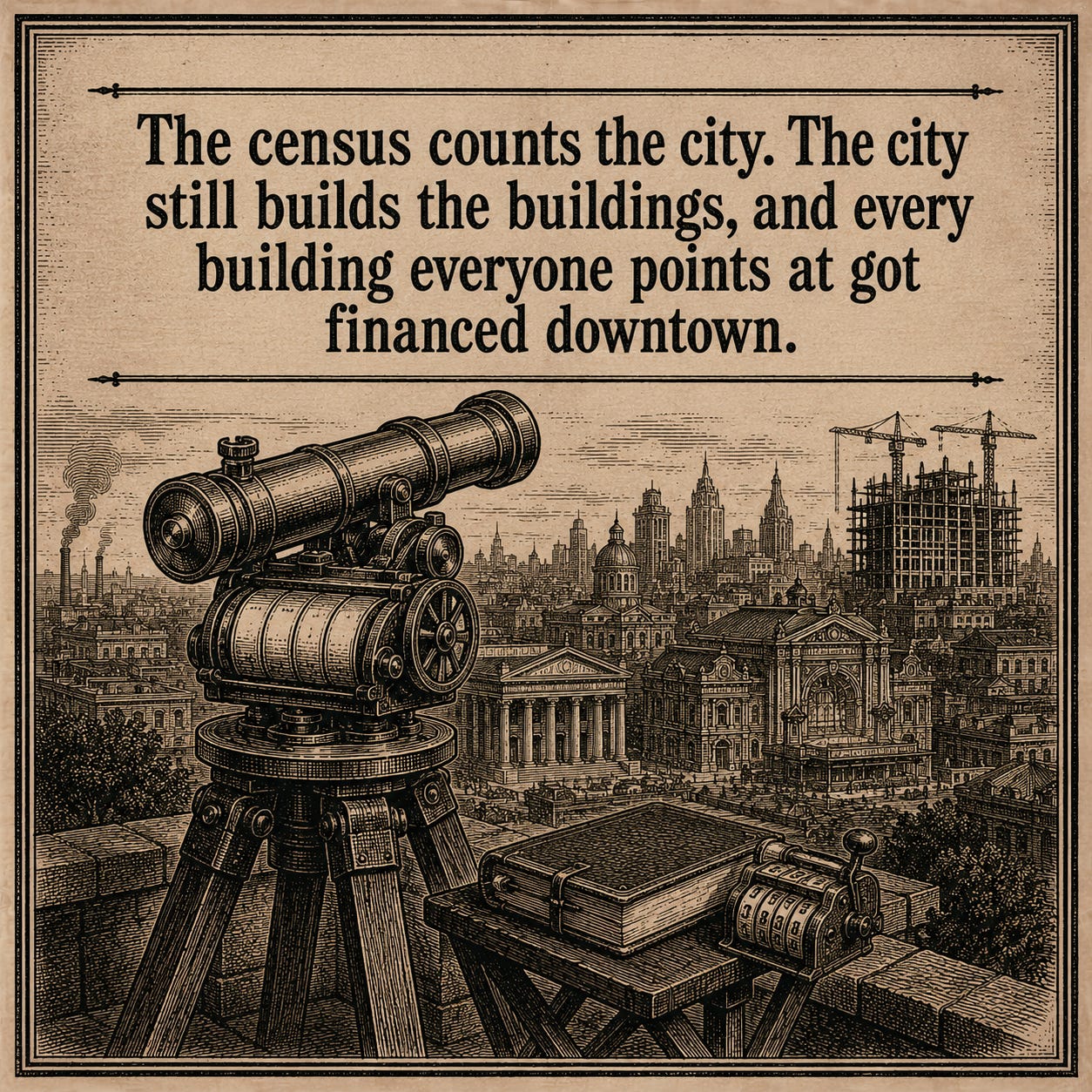
The right analogy is civic. YouTube is the census. A census is one of the most powerful institutions in any economy: it counts everyone, its data steers capital, policy, and investment, and nothing functions well without it. The census is still not the city. It builds no buildings, owns no land, and collects no rent. Its power is the count, and the count is power enough.
YouTube performs one of Hollywood’s functions at a scale Hollywood never dreamed of, and added the one function Hollywood never had. That’s an instrument, and it’s the best one ever built. It’s still one instrument.
III. Not Hollywood by Choice
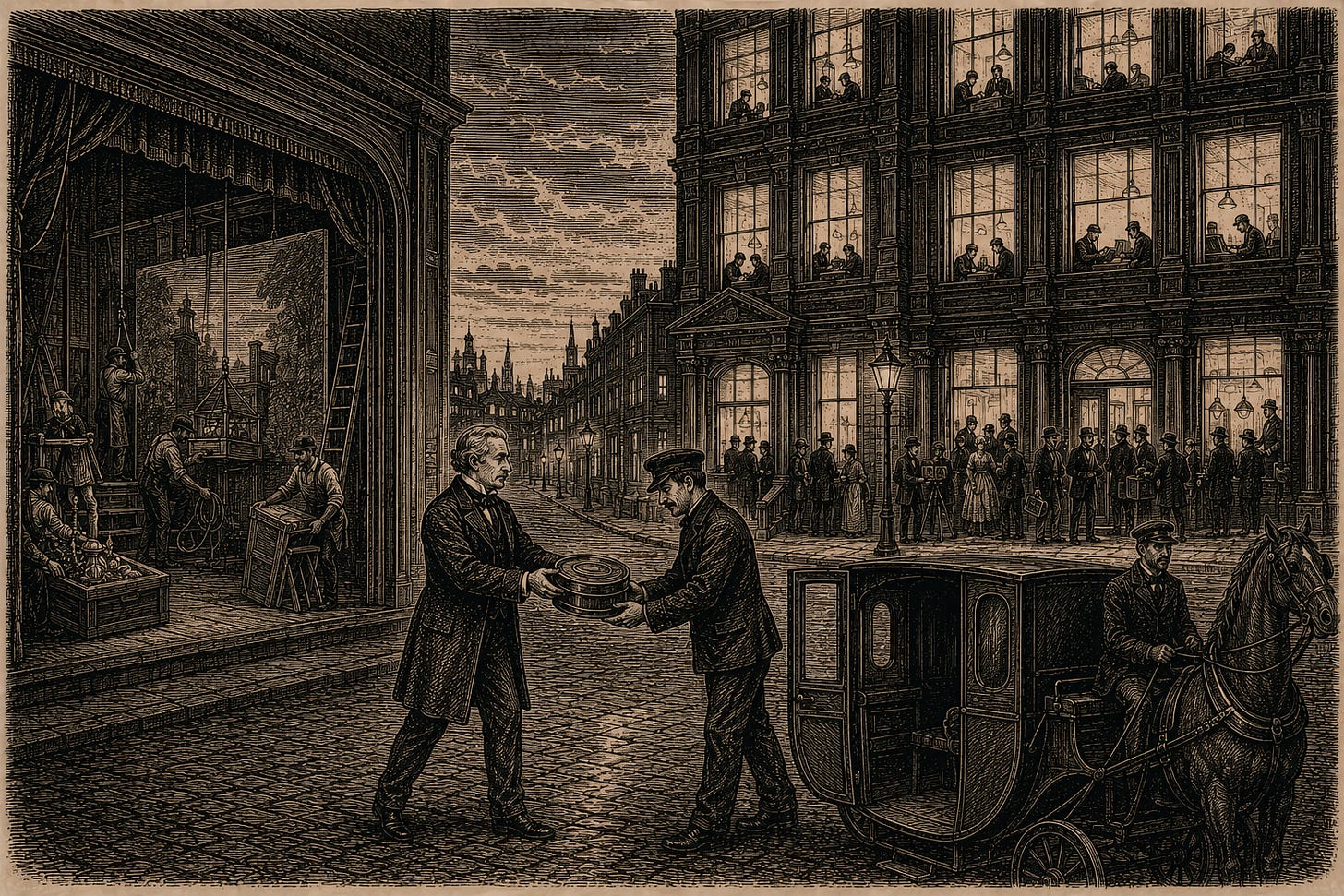
Here is the part of the story both choruses skip, and it is the strongest evidence in the essay. YouTube ran the experiment of becoming Hollywood, succeeded at the hardest part, and walked away.
The experiment has dates. In October 2015, the platform launched YouTube Red, a $9.99 subscription tier built around ad-free viewing and, critically, original programming: scripted series and films designed to compete for the same attention as television. In May 2018, Red rebranded to YouTube Premium, and the originals slate kept building. This was a studio operation in miniature: development executives, greenlights, production budgets, a programming chief in Susanne Daniels who had run programming at MTV and helped build The WB. The one company with the audience, the demand data, the distribution pipe, and a parent holding one of the largest cash positions in corporate history was funding scripted television.
And it worked. Cobra Kai, a Karate Kid legacy sequel produced by Sony, premiered on YouTube Red in 2018, ran a second season in 2019, and became exactly what a studio prays for: a genuine scripted hit with a compounding audience. Then came the decision that makes this section worth writing. In June 2020, YouTube told Sony it would not pursue a fourth season as it moved away from scripted programming. Sony shopped the series, Netflix took it, and the trade press wrote the epitaph plainly: YouTube was officially out of the scripted business, per The Hollywood Reporter, with Cobra Kai the third original to relocate behind Step Up and On Becoming a God in Central Florida. On Netflix, season 3 reached a projected 41 million households in its first four weeks, per Deadline, and the show ran through a sixth and final season as one of the platform’s flagship franchises.
Eighteen months later, the exit became total. On January 18, 2022, YouTube announced it was winding down its originals operation, phasing out most original programming while honoring shows already under contract, with Daniels departing that March, per Deadline and The Hollywood Reporter. Read the company’s own framing of the decision, because it is the thesis of this essay in a press statement. Chief business officer Robert Kyncl: “With rapid growth comes new opportunities, and now our investments can make a greater impact on even more creators when applied towards other initiatives.” Translation from the corporate: the money earns more in the census business than in the city business. The budget moved toward creator programs, the Shorts fund among them.
Economists have a name for evidence like this, and it outranks every op-ed ever written on the platform wars. Revealed preference. Stated positions are cheap; choices made with real money at stake are the truth. YouTube held the audience, the data, the cash, and the pipe. It tried production. It produced a hit, which is the part almost nobody manages. And with the experiment fully run, it let the hit walk to a competitor and shut the studio, because it had learned what its business actually was.
One detail in the record makes the exit even more legible. Cobra Kai was never YouTube’s property; Sony produced and owned it, which is why Sony could shop it the moment YouTube stepped back. The platform had run a studio experiment without ever building the studio’s foundation, ownership of the IP, and when it declined more seasons, the asset moved to the next distributor under the standard mechanics of a licensed show. A company that wanted the city business would have bought the building. It rented one, learned the rent math, and gave notice.
Grade the choice honestly: it was brilliant. Production means bearing content risk, and Section II described the company that had engineered content risk to zero. Why would the census buy construction equipment? YouTube looked at Hollywood’s business from the inside, with better information than any analyst has ever held, and concluded that its own business was the better business for it to run. It was right. The exit was a company description, and it was accurate. That is the whole claim in this essay’s title, scoped exactly as wide as the record: owned production and the integrated stack, tested and declined, on the dates above.
The one company positioned to become the new Hollywood built a hit show, let it walk to Netflix, and shut the studio. That’s a company that knows exactly what business it’s in.
IV. The Receipts
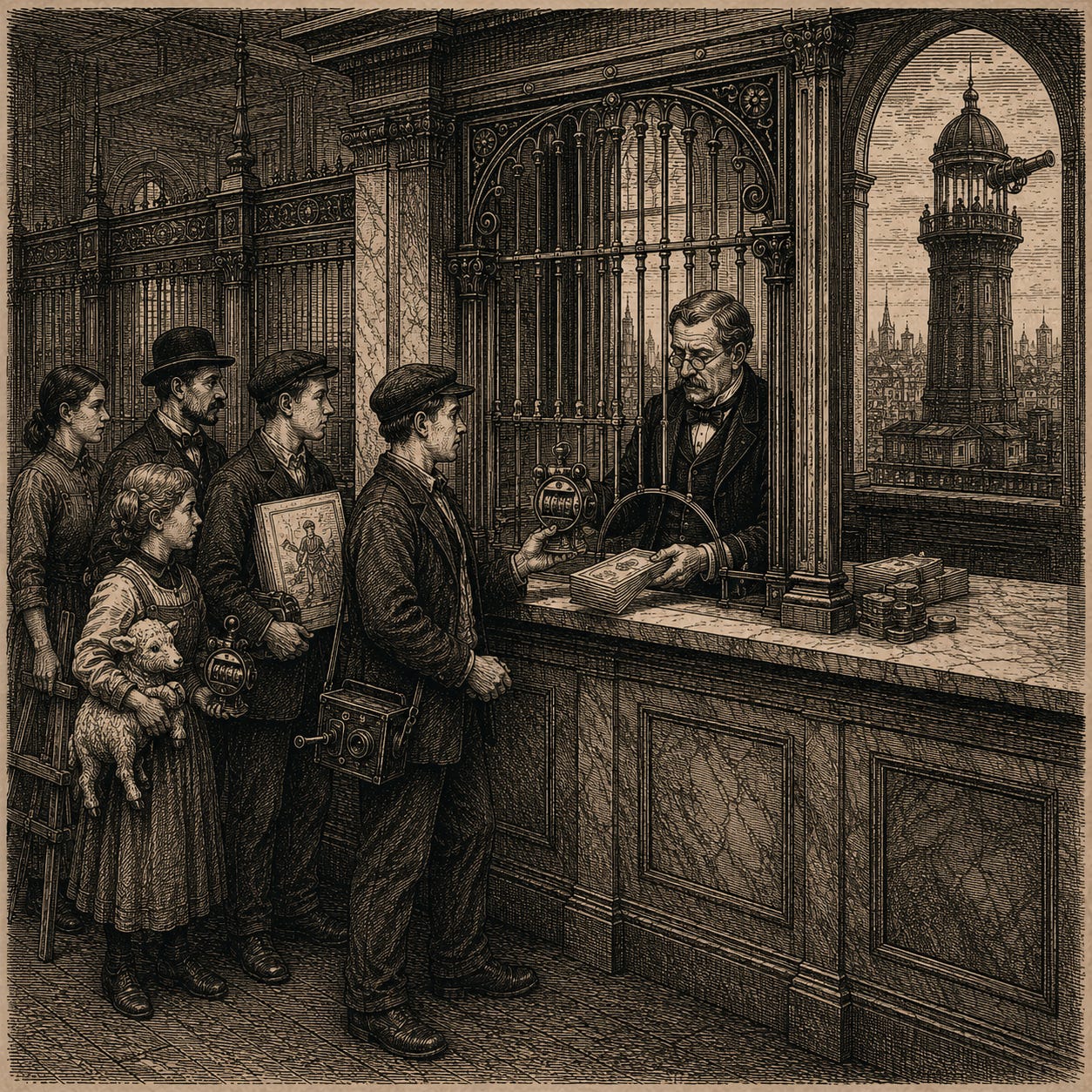
If the takeover were real, its trophies would monetize on the platform. Look up where the trophies actually cashed out.
Iron Lung, Markiplier’s film, built on one of the largest audiences YouTube ever measured, earned more than $50 million theatrically across 3,015 theaters booked through Centurion Film Service with no traditional distributor on the paper, as I wrote in The Film Bond. The audience was counted on YouTube. The money came through movie theaters, the oldest monetization surface Hollywood owns.
Obsession, Curry Barker’s $750,000 production, sold to Focus Features at TIFF for roughly $15 million, about 20 times cost and a record for the festival, as I wrote in When Attention Becomes Financeable. The audience was counted on YouTube. The money came from a studio subsidiary at a film market that has existed since 1976.
Backrooms: A24 signed Kane Parsons before a frame of the feature existed, when his channel sat under 2 million subscribers, and the film opened to $81.5 million, the biggest opening in the studio’s history, same canon. Counted on the platform. Financed, produced, and released by the most fashionable studio in the industry.
Television runs the same pattern. Cocomelon, born on YouTube, was the second most-watched program on Netflix in 2024, behind only Bridgerton. Ms. Rachel delivered 4 episodes that pulled 162 million hours and ranked seventh on the platform for the first half of 2025. Both from The Living Room Already Changed Hands. The nursery-rhyme channel and the toddler educator did not build subscription empires on the open platform. They licensed into the system that writes checks for finished programming, because that is what the system is for.
State the pattern once and let it stand. The platform proved the audiences. The system paid the money. Every exhibit the takeover chorus cites as proof that Hollywood is over is a creator whose demand was measured on YouTube and whose payday was engineered by the machine from Section I. That is what the census-versus-city distinction predicts, and it is what the record shows in every case this essay has named. The same convergence is now running from the traditional end too: the most established director alive just presold a $250 million epic a year early, which I covered in The Presold Epic, and the mechanics rhyme because the
V. The Category Error’s Bill
A wrong story would be harmless if nobody acted on it. Both choruses are acting on it, and the invoices are arriving on both sides of the aisle.
Start with the creators, because their bill is steeper. A creator who believes Hollywood is dead concludes that reach is the whole game, and reach is the one thing the creator already has. So the monetization stack sits on the table untouched: no windowing, no licensing cascade, no ancillary program, no library strategy, none of the machinery that turns one story into 40 years of revenue. The business stays a single surface-wide and a single algorithm-deep. I wrote the structural version of this in The Rented Boom: revenue built on rented demand prices like rented demand, whatever the top-line says. The victory narrative makes it worse, because a creator who has been told they already won stops looking for what the old system still does better. And when capital does arrive, it arrives shaped wrong. Creators keep taking equity-shaped deals for distribution-shaped problems, selling permanent ownership to solve a licensing question the machine solved decades ago with contracts. The infrastructure exists. For a lot of them it’s 30 miles up the road. The war story convinces them it is enemy territory.
Now the studios, whose bill is quieter and compounding. A studio that believes YouTube is the enemy treats the platform as a marketing line: rent some creators for a campaign, buy some reach for an opening weekend, book the spend against P&A. What that studio never does is read the instrument. The largest continuous demand-measurement apparatus in the history of media sits in public view, counting audiences by the second, and the industry that spent a century paying tracking firms for proxies of exactly this data has been slow to treat it as underwriting evidence. A development executive can watch demand compound for a property in real time, for free, before a dollar of production capital moves, and the standing practice at many shops is still to commission a survey. The mispricing shows up in the ad market too: creator content on living room screens sells at a 60 to 75% CPM discount to legacy streaming inventory reaching comparable audiences, per The Living Room Already Changed Hands, which is what happens when an industry declines to read a count it never had to pay for. Meanwhile, the studios that did read the count, A24 on Backrooms, Focus on Obsession, Netflix on Cocomelon and Ms. Rachel, walked away with record openings, 20-times-cost acquisitions, and franchise programming bought at license prices.
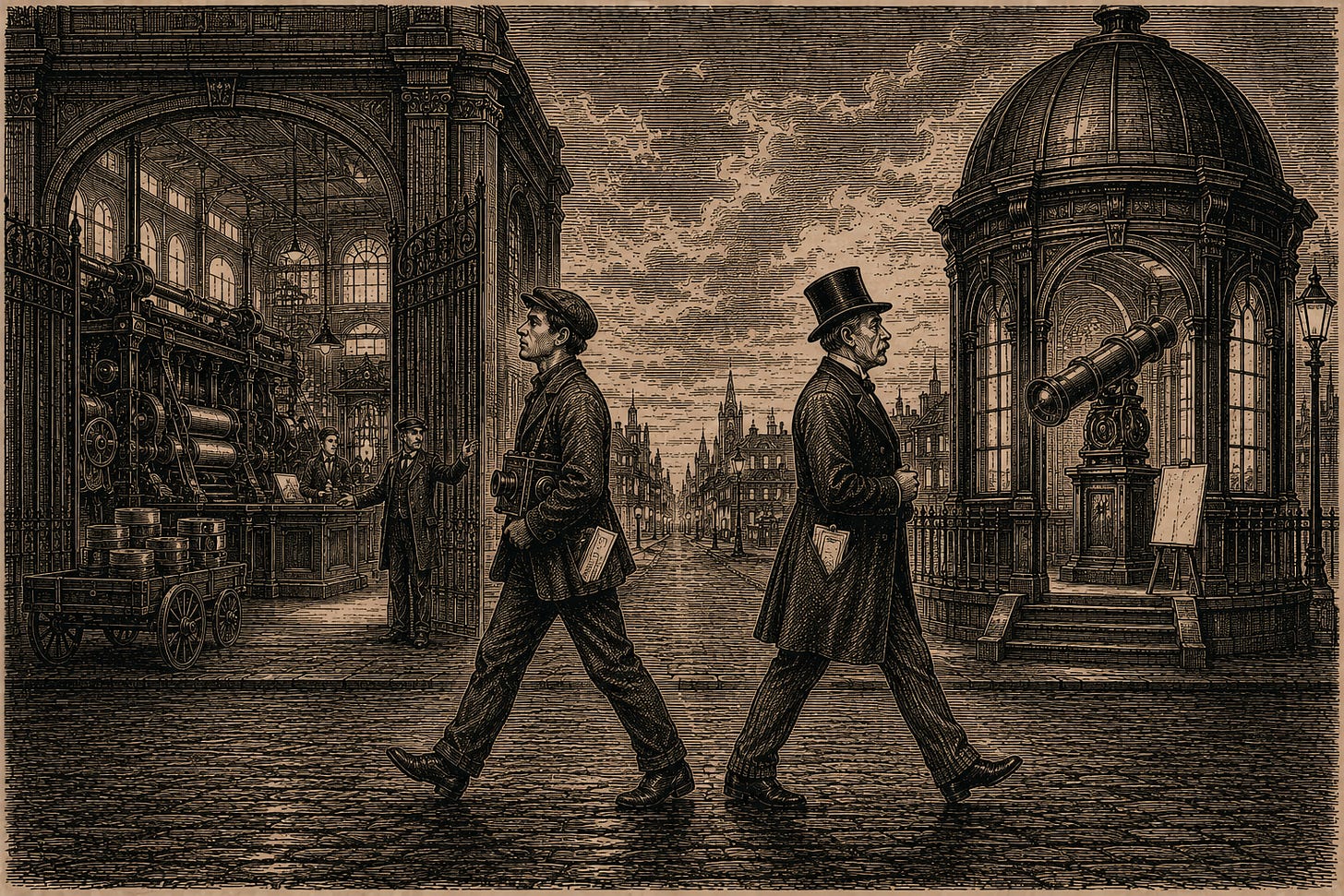
Notice the symmetry of the two mistakes, because it is the essay’s whole argument in miniature. Each side is ignoring precisely the thing the other side built. The creators are leaving Hollywood’s conversion machine unused. The studios are leaving YouTube’s measurement instrument unread. Neither error would survive one honest week of pricing the other side’s asset, and the people paying for both errors are filmmakers, television makers, and creators, one constituency wearing different badges, all of them shorter on infrastructure and evidence than they should be in 2026.
One side is leaving the infrastructure on the table. The other is leaving the instrument on the table. Same error, opposite directions, and both bills are real.
VI. One Class, Two Costumes
Pull the camera back far enough and the war disappears entirely, because the combatants are the same people.
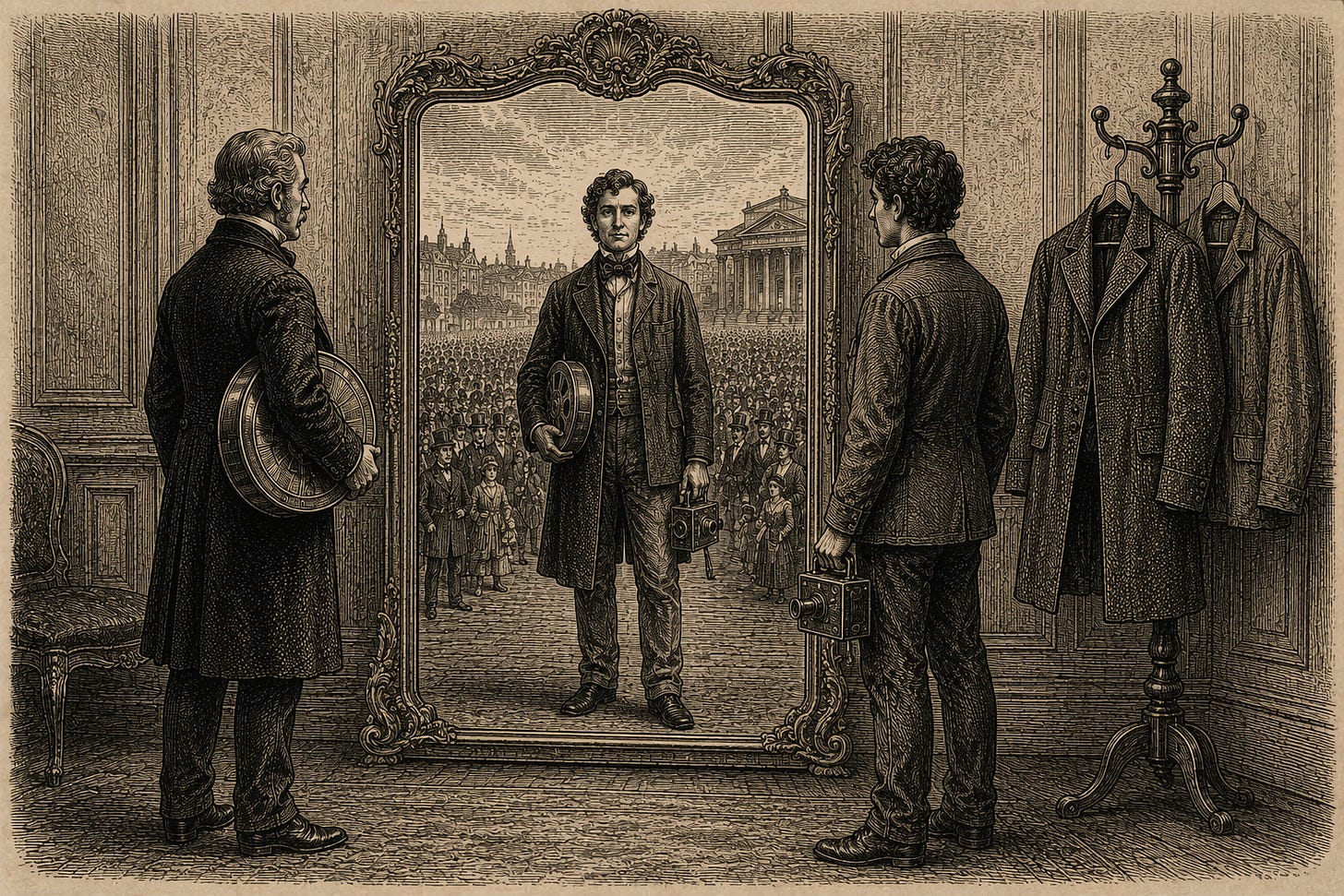
A filmmaker is a person who holds an audience and makes the thing that audience buys. A creator is a person who holds an audience and makes the thing that audience buys. The distinction the industry treats as tribal identity is a distribution accident of birth year. Born in 1965, you learned to reach an audience through a studio pipeline, so your demand record lives in box office grosses. Born in 1995, you learned to reach an audience through a recommendation engine, so your demand record lives in a dashboard. Same craft, same relationship with the crowd, same underlying asset. Two costumes.
And the accident is closing from both ends at once, on the record. Creators are arriving in theaters with counted audiences: Iron Lung, Obsession, Backrooms, the receipts from Section IV. The most traditional director alive just ran the play in the other direction, preselling a year of demand for a $250 million epic like a channel announcing a launch, per The Presold Epic. The studios are building creator pipelines and reading channel analytics in greenlight meetings. The platforms are watching their proven audiences graduate into the financing system and taking their cut of none of it, by choice, as Section III showed. Every player is converging on the same equilibrium: audiences counted in one place, capitalized in many. Nobody is replacing anybody. The two costumes are being hung in the same closet.
Which leaves the war narrative with exactly one function: hurting the people who believe it. A filmmaker who believes the creators are coming for the industry treats the strongest evidence of demand in history as a threat. A creator who believes Hollywood is a corpse walks past the only machine that can make their audience worth 40 years of cash flow. The narrative costs both of them money and hands neither of them anything. It persists anyway, because conflict sells and equilibrium doesn’t.
Filmmakers and creators are one class split by a distribution accident, and the accident is ending.
VII. What Would Change This Read
An argument this tidy deserves its own cross-examination, so here is the strongest version of the other side, taken seriously.
The distribution numbers are real and growing. 13.4% of US television viewing is a bigger share of the living room than any studio’s output commands, per The Living Room Already Changed Hands, and distribution share is real power: ask any exhibitor who negotiated with a studio in 1940. The payout economy is real too. More than $100 billion to creators and partners over four years, per CNBC, is a content economy larger than most national film industries, and it flows without a single greenlight meeting. And YouTube has genuinely deepened its distribution business where it chose to: the NFL Sunday Ticket deal, roughly $2 billion a year over seven years per CNBC’s 2022 coverage, and YouTube TV are real moves into premium distribution, with exclusive rights, subscription packaging, pricing, customer relationships, and multiyear exposure attached. None of that contradicts the thesis, and the scope should be stated honestly: distribution was always the function YouTube performs. What the deal deepens is the pipe and the count. What it does not add is development, production risk, or owned IP. A bigger instrument is still the instrument.
So name what would actually falsify this essay, because an argument that nothing could falsify is a slogan. Two events would do it. YouTube re-entering original production at scale, with its own greenlights, its own production risk, and its own owned IP, would mean that the 2022 exit was a pause and that the revealed-preference read was wrong. YouTube acquiring studio infrastructure, a production entity, a library, a financing apparatus, would mean the same thing with a bigger signature. Short of those, intermediate moves, co-financed slates or minority stakes in production entities, would mark partial steps toward the stack without settling the question, and they will get read here as they print. Either of the two named events and this essay gets revised in public, because the evidence would have changed and the argument follows the evidence. Watch the same signals I will: the originals budget line, the M&A tape, the IP ownership terms in the platform’s creator contracts.
Until one of those prints, the record reads one way. The company had every option and chose the count.
Closing
Go back to the two definitions, which have now earned their places. Hollywood: the machine that converts stories into decades of cash flow across every surface on Earth. YouTube: the instrument that measures, for the first time in the history of media, exactly what audiences want, continuously, in public, at the scale of civilization. One of these took nothing over. Neither is dying. Each is the best version of its category ever built, and each is worth more when the other runs well.
The victory-lap market wants a winner because a winner is a better story, and the doom market wants a loser for the same reason. The actual market is quietly assembling something better than either: one industry in which the audience gets counted in one place and capitalized in many, where a demand record built on a phone can be financed like a filmography and a filmography can be read like a channel. The receipts are already in this essay. The convergence is already on the deal tape.
So protect all three things the war story teaches you to attack. Protect the machine, because a century of conversion infrastructure does not get rebuilt once dismantled. The instrument deserves the same defense, because free public demand measurement is the best thing that ever happened to everyone who finances content, whether they have noticed yet or not. And the people on both sides of the fake divide, the filmmakers and the creators who hold the audiences and make the things audiences show up for, deserve it most. They were never at war, just waiting in two costumes for the market to notice they’re the same class. Who is reading the count?
Why Subscribe
Because the media war everyone is narrating is a category error, and the money is in the convergence nobody is narrating.
Every week, Attention Capital tracks the deals where documented audience behavior becomes enterprise value: counted audiences graduating into the financing system, studios learning to read the instrument, and capital learning to price both. If you allocate capital, this is where the next asset class shows its paper early. If you operate in film, television, or the creator market, this is where the structural arithmetic of your next deal gets honest. If you build audiences, this is the market that is finally learning to pay for what you already own.
Subscribe to Attention Capital weekly here on State of Streaming: where attention becomes enterprise value and the audience is counted before capital commits.
Get the SOS. Brief
The sharpest streaming intelligence, delivered to your inbox.