Sports Teams Have Been Giving Away Their Most Valuable Asset. Kiswe Is Helping Them Take It Back.
The Regional Sports Network (RSN) model didn't just collapse — it exposed a structural dependency that every professional sports franchise is still reckoning with. Teams spent decades handing their content to a third party, collecting a rights fee, and calling it a business. When the RSN model broke, so did the assumption that distribution is someone else's problem.
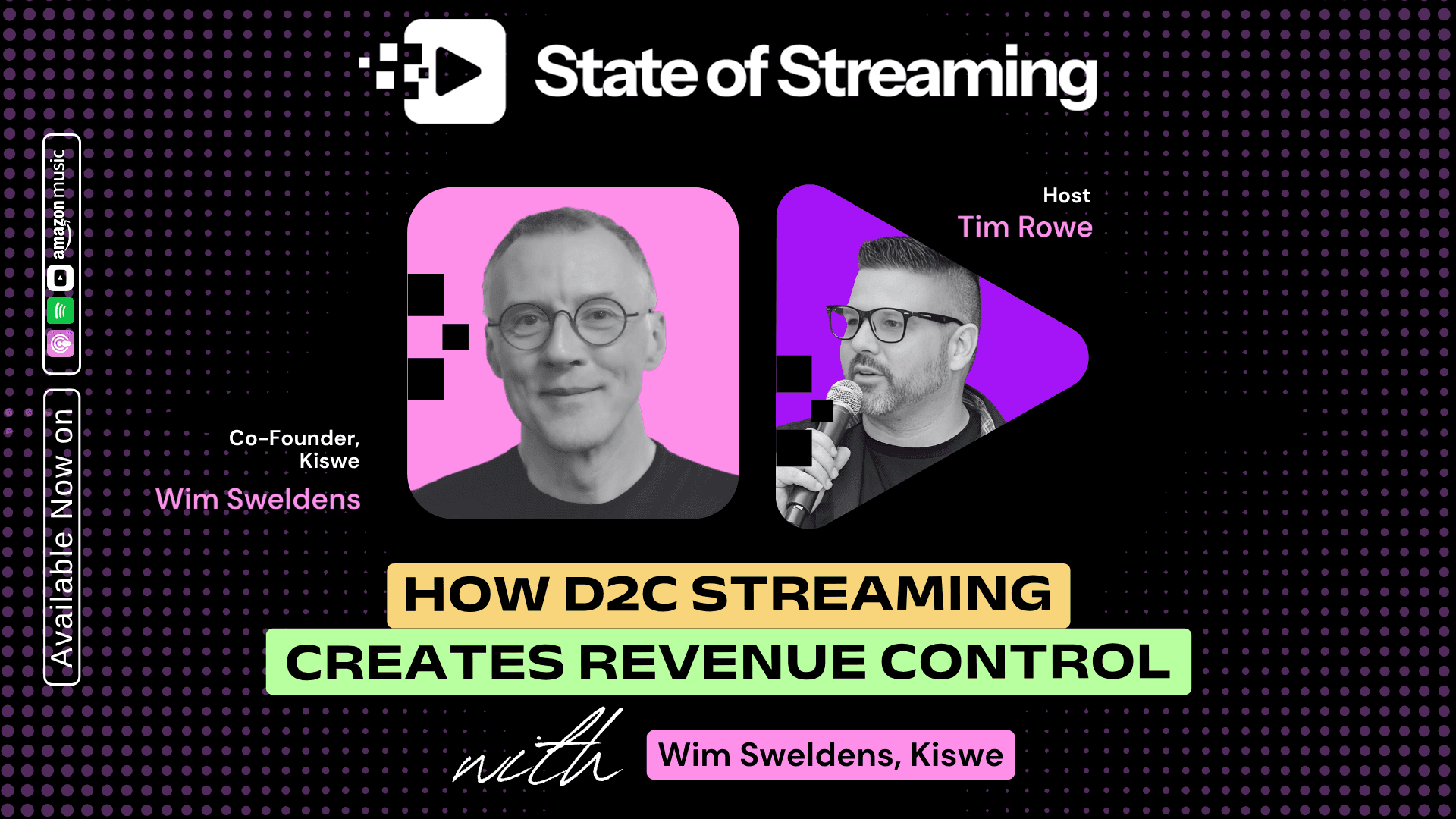
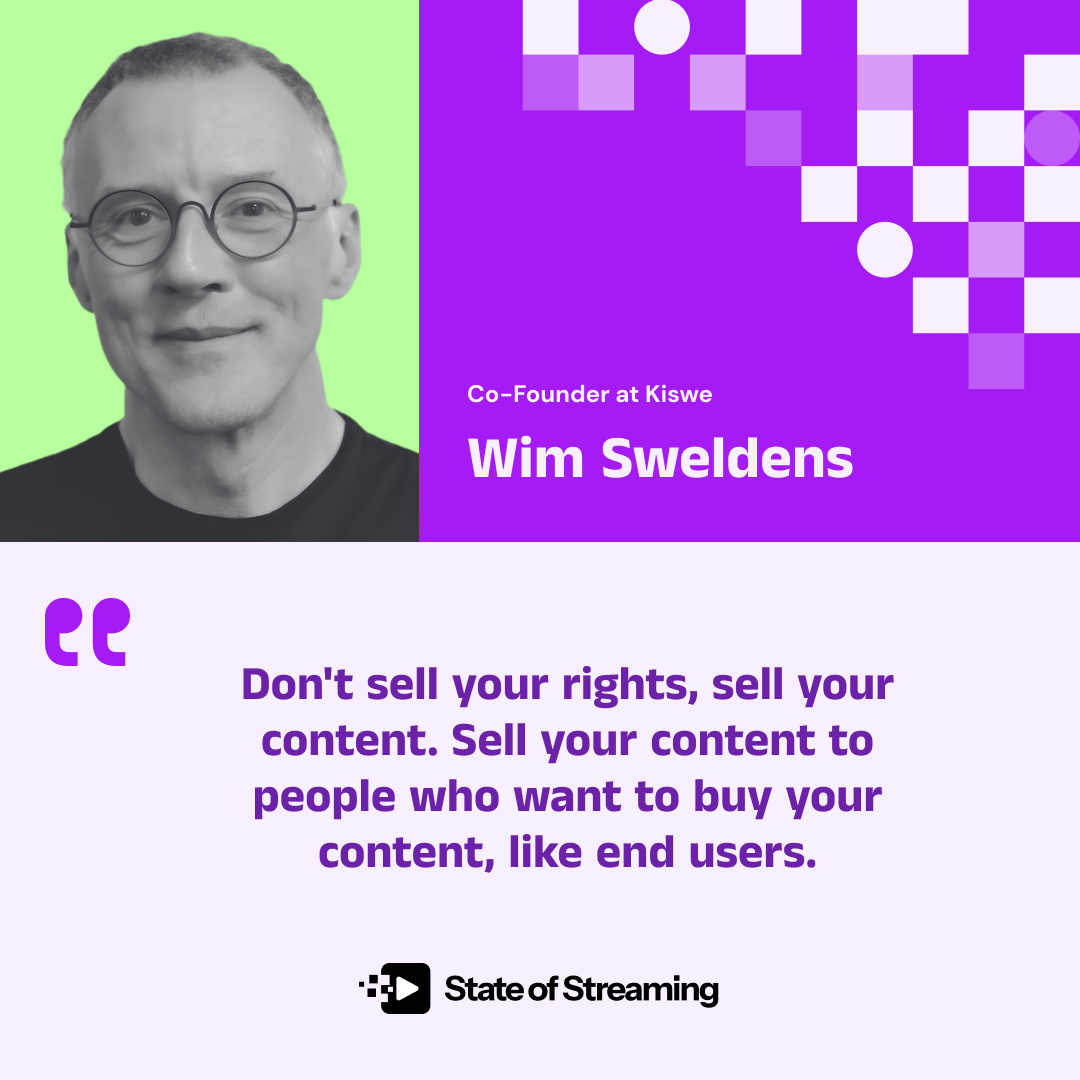
Wim Sweldens, co-founder of Kiswe, built a company around a different premise: don't sell your rights, sell your content. The framework? Direct-to-consumer (D2C) streaming owned and operated by the team itself — is what we discussed in this week's episode of the State of Streaming podcast.
From that conversation, three persistent themes stood out:
1. The data belongs to whoever owns the platform.
When a team distributes through YouTube, Prime Video, or a legacy RSN, the fan engagement data flows to the platform — not the team. Kiswe inverts that model. Every viewing preference, device choice, and in-stream interaction is captured and returned directly to the content owner. For a sports franchise that already knows its fans through ticketing, merchandise, and in-arena behavior, that streaming data layer closes the loop. The team can bundle a streaming subscription with a season ticket, run targeted retention campaigns against lapsed subscribers, or adjust content strategy based on what fans actually watch. When a third party sits between the team and the audience? None of that is possible.
2. Churn is lower when fans are loyal to a team instead of an app.
The retention problem that plagues general streaming services looks different in a D2C sports context. As Wim put it, nobody is a NBC fan. They're a Knicks fan. That brand loyalty is a churn suppressant that no aggregator platform can replicate. Smith Entertainment Group's (SEG) SEG+ platform, built on Kiswe's infrastructure, posted 40% subscriber growth over two years and 75% growth for its hockey-specific Mammoth+ tier in year one. Those numbers aren't accidental — they're what happens when interactivity, personalization, and team loyalty compound to create and capture value.
3. The à la carte model isn't a consumer preference. It's a revenue strategy.
The RSN bundle forced fans to buy channels they didn't want to get the team they did. At least nine MLB teams ended their broadcast contracts rather than continue operating inside a model that no longer worked. The Angels built their own network. MLB took over Detroit's local broadcasts directly. The direction is clear. Kiswe's monetization stack — pay-per-view, subscription, dynamic ad insertion (DAI), and sponsorship — lets teams price content the way fans actually want to buy it. SEG+ lets a fan buy a Jazz game, a Mammoth game, or both, and watch them simultaneously via MultiView if the schedules overlap. That flexibility isn't a feature. It's the product.
NBC Sports is building toward a version of this at scale, but the teams that don't wait for a network to solve it for them are the ones with the data advantage, the retention advantage, and the monetization upside. SEG figured that out in Utah. The case study is available — and the model is replicable.
Listen to the full conversation with Wim Sweldens on the State of Streaming podcast here
Get the SOS. Brief
The sharpest streaming intelligence, delivered to your inbox.