Social Appointment Viewing: How 87,000 TikToks Turned Into 18.4 Billion Streaming Minutes

Peacock just renewed Love Island USA for Season 8. Season 7 generated over 18.4 billion minutes streamed during its six-week run, claiming the #1 streaming original in the United States for six consecutive weeks. The companion series Love Island: Beyond the Villa became Peacock's highest-reaching unscripted original debut ever.
Those numbers didn't happen because Peacock cracked some premium content code. They happened because Love Island accidentally built the engagement loop every streaming app is trying to reverse-engineer: a social appointment machine powered by vertical video.
The Bar Is the New Living Room
Last summer, something happened that hadn't happened since the final season of Game of Thrones — bars started hosting weekly watch parties for a streaming show. UVA Darden professor Anthony Palomba called the phenomenon appointment TV returning with a twist: social, live, and local. His colleague Luca Cian framed the venues as "third places" — spaces that aren't home or work but become essential to a functioning social ecosystem. Bars weren't selling drinks. They were selling synchronized emotional experiences.

The mechanic mimics sports fandom. Six new episodes a week. An in-app voting system that turned viewers into participants. A daily cadence that created urgency without the burnout of binge drops. Barron's reported the Love Island companion app hit #2 on Apple's App Store — behind only ChatGPT. Peacock's own app climbed to #4 in free downloads, ahead of Netflix at #9.
The Discourse Layer Did the Heavy Lifting
But here's the structural insight everybody seems to have missed: the appointment viewing didn't start on Peacock. It actually started on TikTok.
Love Island USA's TikTok account gained one million followers in June 2025 alone — up from 184,000 gained during the previous season's premiere month. The account now sits at 3.1 million. BBC analysis found the show's official accounts gained 1.8 million followers since the start of 2025, with one million of those on TikTok. Individual clip view counts routinely outstripped viewership for entire episodes.
The numbers tell a story the industry hasn't fully processed: 87,000 TikTok uploads carried Love Island hashtags in the first half of 2025 — more than double the roughly 40,000 posted in all of 2024. Thirteen million people follow official Love Island accounts across platforms. Only 2.6 million watched the UK series premiere. The social footprint is five times the size of the broadcast audience.
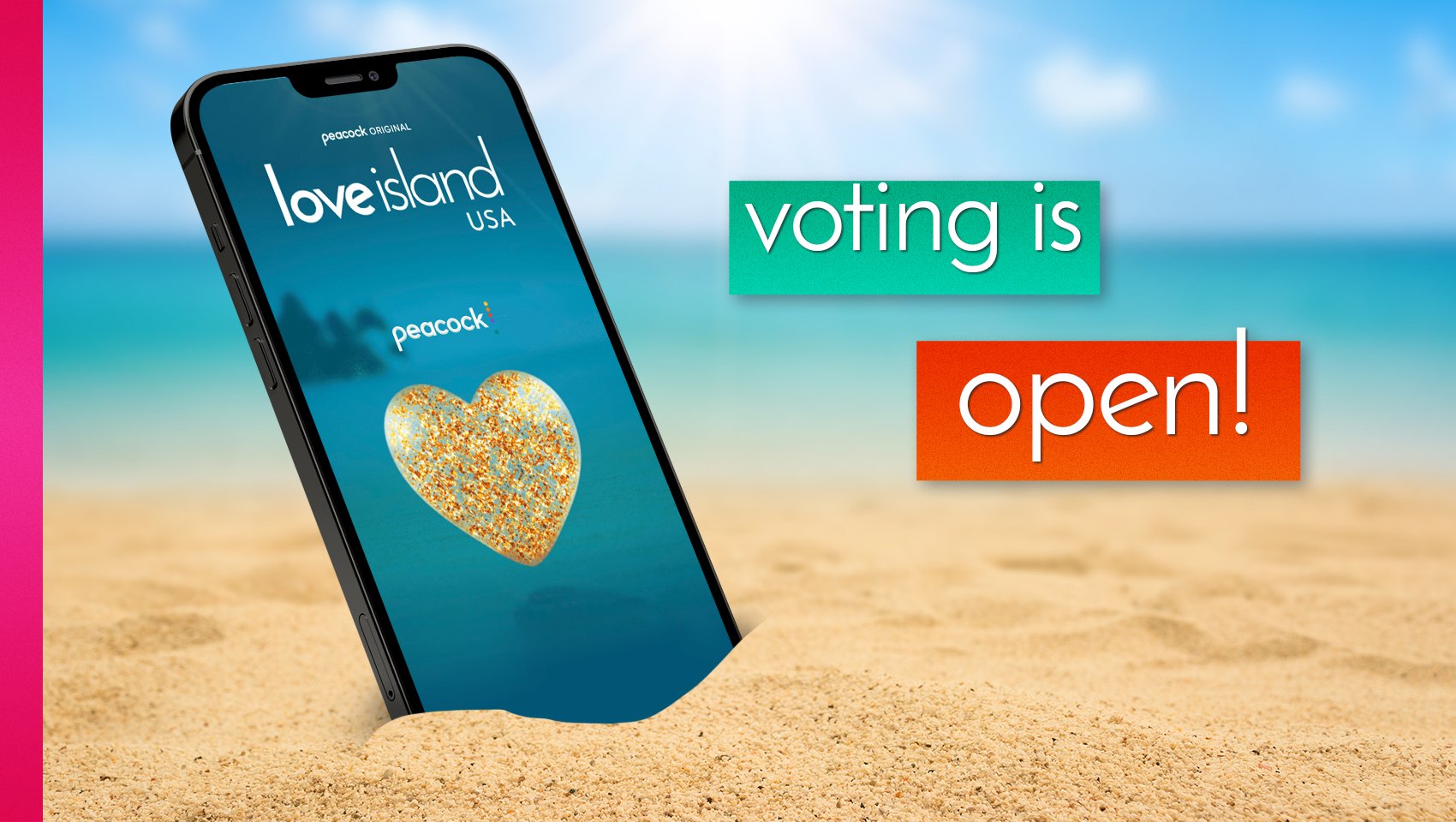
Love Island is a case study itself. The vertical video layer includes recaps, reaction clips, debate content, meme edits and has manufactured the spoiler urgency that made viewers sit down at 9 PM on a Tuesday to stream a dating show in real time.
Now Every Streamer Is Trying to Build It In-House
This month, Peacock previewed "Your Bravoverse," an AI-driven vertical video feed built from 5,000+ hours of Bravo footage, narrated by a digital Andy Cohen avatar, capable of generating over 600 billion viewing combinations. The vertical video tab replaces the downloads button in Peacock's mobile navigation. The same week, Disney+ launched Verts — a swipeable vertical feed embedded in its app — and Netflix confirmed vertical video will anchor a full mobile redesign later this year.
Streaming is converging on the same thesis at the same time: the social discourse layer that made Love Island appointment television doesn't have to live on someone else's platform. During the 2026 Winter Olympics, 20% of viewers who watched Peacock's vertical highlight clips navigated directly to the full live stream.
Carnegie Mellon's Daniel Green told Barron's other streamers will look at Love Island's success and build on it.
Wolfe Research analyst Peter Supino was blunter: Peacock will expand on the franchise and "flog it until it dies."
The Big Question
Among adults 18–49, 66.7% of ad-supported TV time belongs to streaming platforms. The audience has moved but the engagement model that made Love Island the biggest unscripted franchise in streaming was built on organic chaos — strangers arguing in bar watch parties, creators racing to post reaction clips before the next episode dropped, a TikTok algorithm that couldn't stop surfacing villa drama to people who'd never opened Peacock.
Now streameing apps want to bottle that inside their own walls. They can build the vertical feeds. They can train the AI avatars. They can replace the downloads button with a swipe-up tab.
What they can't manufacture is the bar full of strangers who showed up because the internet told them they had to be there by 9 PM.
Get the SOS. Brief
The sharpest streaming intelligence, delivered to your inbox.