Roku Just Gave 15,000 College Freshmen Free Streaming At SXSW

Roku and Texas A&M announced a partnership this week that gifts the incoming freshman class with free subscriptions to Howdy, Roku's $2.99-per-month ad-free streaming service. Anthony Wood, Roku's CEO and Texas A&M alum, made the announcement at SXSW.
Now look at what else was in the release.
New library licensing deals with Disney Entertainment, Sony Pictures, and a deepened agreement with Warner Bros. Discovery. Three major studios signing content to a seven-month-old subscription video-on-demand (SVOD) service in the same news cycle.
The model has a name. Amazon spent years running it. Prime Student didn't exist because Amazon needed $6.99 a month from undergrads. It existed because building the Prime habit at 18 meant locking in a household-level commercial relationship that would compound across the marketplace, Whole Foods, Alexa, and Prime Video for decades. The entry point was priced to disappear. The ecosystem was priced to extract.
Roku CEO Anthony Wood has been running the Amazon playbook in public. He told Morgan Stanley earlier this month that Roku's device business exists to feed the platform — platform revenue grew 18% to over $1.2 billion last quarter while hardware grew 3%. It's important to note that combined, Roku TV OS and Amazon Fire TV are the hardware connection in approximately 80 of the 101.5 million U.S. Census Households with a TV connected to the internet via broadband.

That's Bezos math applied to television at scale. Sell the entry point at cost. Monetize the relationship across every surface the platform touches. Gifting Howdy to 15,000 freshmen is that logic pushed one step further: acquire the user before they've made a single streaming decision on their own, at a customer acquisition cost that rounds to zero.
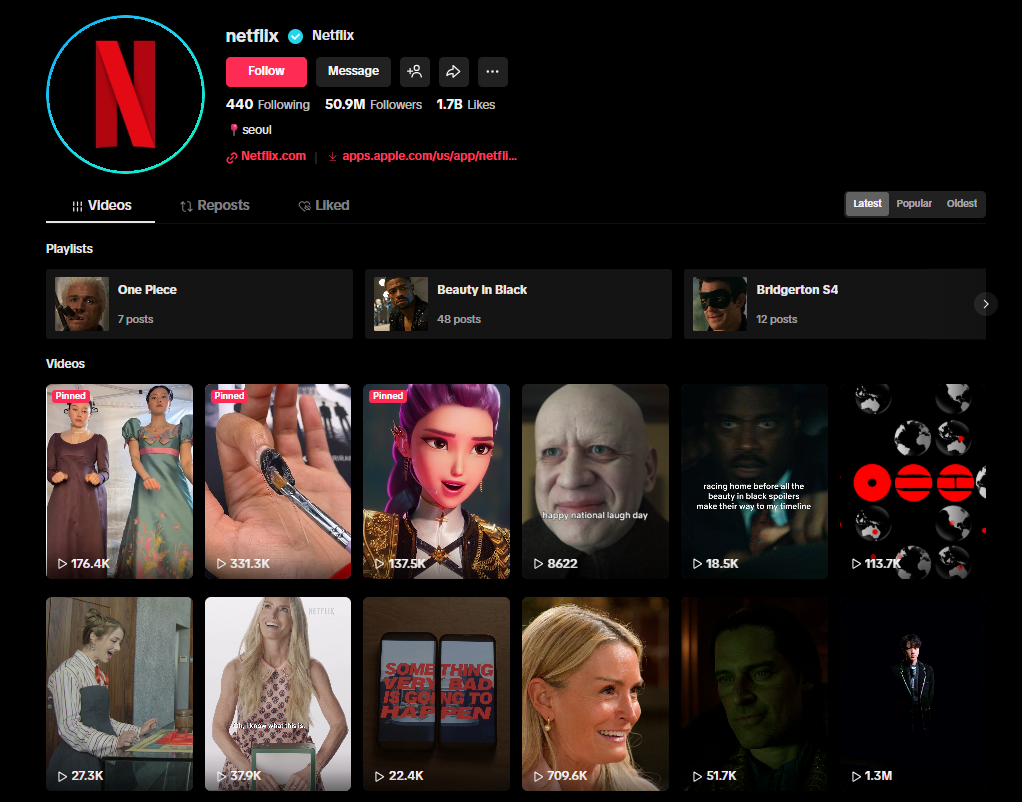
There's a format problem hiding in the press release, though. Howdy's mobile rollout is "planned for the near future," which means Roku is gifting a lean-back subscription streaming service to a generation that watches everything on their phones, vertically, in clips. If Howdy arrives on campus in August without a mobile-first discovery layer — short-form clips from the catalog, a vertical feed, any kind of native sharing mechanic — the gift subscription collects dust. Netflix already runs its TikTok account as a trailer farm that drives intent back to the app. Roku has the licensing relationships to do the same, and a captive campus audience to test it with.
The question that matters: is Texas A&M a one-off or a pilot?
If Roku starts packaging Howdy into freshman welcome programs at other universities, it opens an institutional acquisition channel that no other streaming service in the market is running. And every student who enters through Howdy becomes a monetizable household across Roku's full stack — home screen, The Roku Channel, Premium Subscriptions, Roku Ads Manager — for the next decade.
Wood announced this at South by Southwest, not on an earnings call. That tells you who he's talking to. And it's not Wall Street.
Get the SOS. Brief
The sharpest streaming intelligence, delivered to your inbox.