Roku's Sports Strategy: Aggregation and Exclusivity in the Same Week

Roku made two sports announcements in 48 hours and they reveal a platform strategy more deliberate than either move suggests alone.
The Aggregation Play
On Wednesday, Roku launched the NCAA March Madness Zone, a branded Home Screen destination built with TNT Sports and CBS Sports. The platform-level hub featured on the Roku Operating System Home Screen — aggregates live games, highlights, scores, and replays across both tournaments. Fans can set reminders, check a new score-strip row, and access match-ups based on existing subscriptions — HBO Max, Paramount+, NCAA March Madness Live — plus broadcast on TBS, CBS, TNT, and truTV.
Roku doesn't own any of this content. What it owns is the surface area: navigation, subscription conversion, and the data generated every time a fan sets a reminder or signs up for Paramount+ at the promotional $2.99/month rate running March 19–31.
The Exclusivity Play
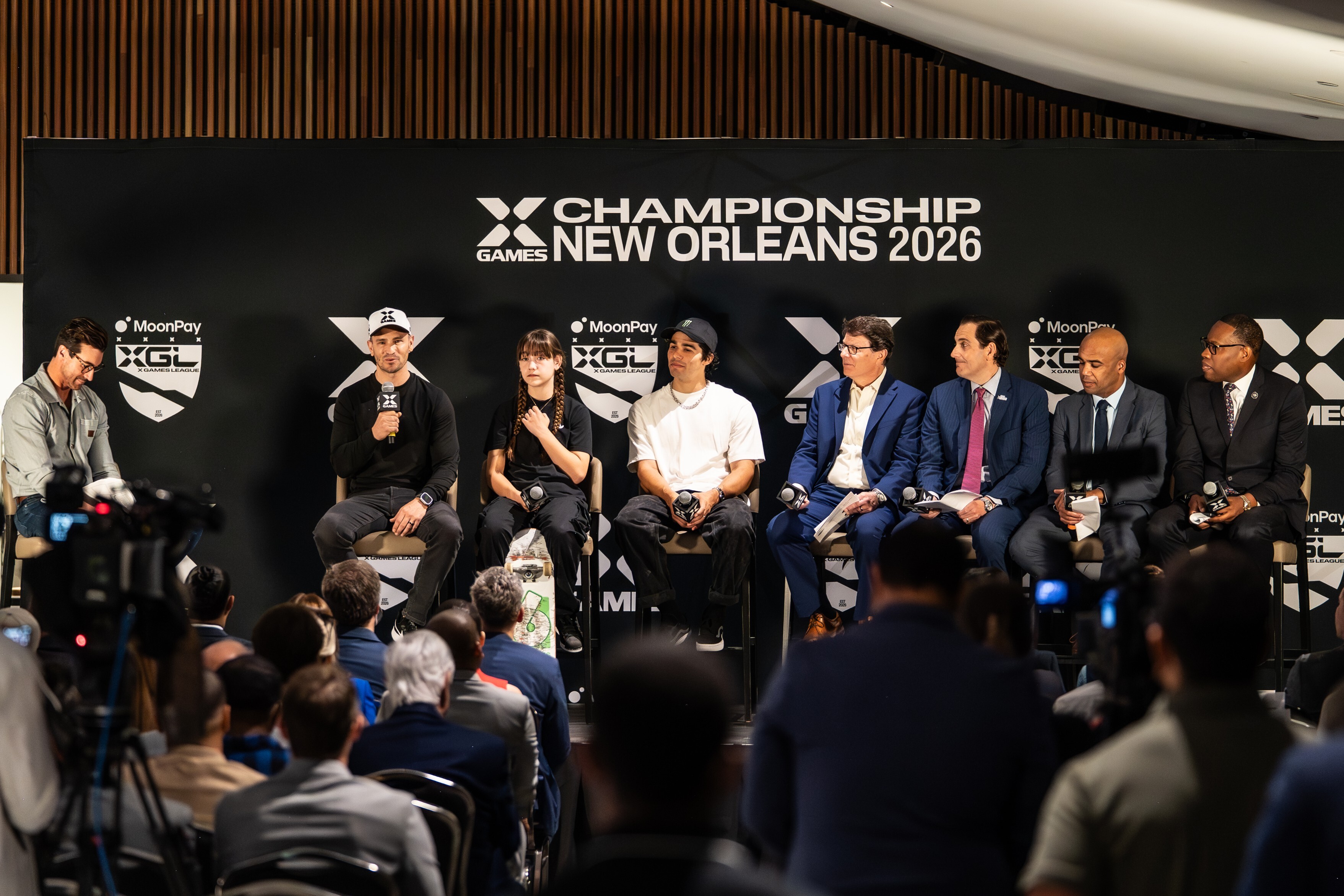
On Monday, Roku announced a multi-year deal with X Games making Roku Sports Channel — a free, ad-supported channel within The Roku Channel — the exclusive U.S. streaming home of the MoonPay X Games League — a team-based format spanning skateboarding, BMX, snowboard, and ski launching summer 2026. Free, ad-supported, no subscription required.
X Games Aspen delivered 149% YoY viewership growth on Roku, outpacing total TV platform growth of 105%. Ninety-one percent of streaming households were new viewers. Female viewership grew 233%.
One Executive, Two Strategies
Joe Franzetta, Head of Sports at Roku Media, is quoted in both releases.
On March Madness: "The NCAA March Madness Zone makes it simple for fans to find every game, relive the highlights, and stay focused on their team's evolving stories."
On X Games: "We look forward to collaborating further to bring this exciting new format to die-hard viewers and a new generation of fans."
Navigation in one. Audience growth in the other. March Madness is a tentpole Roku can't afford to own. X Games League is a niche property Roku can lock up and grow on its own platform. The data from one justifies the other: aggregation generates engagement metrics that attract the next rights holder, and exclusive rights generate the audience proof points that make the aggregation layer worth building.

The Playbook
Roku's sports playbook doesn't require outbidding Amazon, ESPN, or Netflix for tier-one rights. Aggregate the tentpoles you can't afford. Lock up the emerging properties you can. Monetize both through ads and platform-level data.
The risk: aggregation commoditizes the platform while exclusive rights stay too niche to move ad revenue. Roku is betting it can run both tracks long enough for sports media to fragment further in its favor. The next year of X Games League viewership will tell us whether that's a platform thesis or a holding pattern.
Want to learn more about Roku's recent moves? You may enjoy one of these stories, too:
March 11, 2026 - 5 Themes From Roku CEO Anthony Wood at Morgan Stanley 2026
March 7, 2026 - Roku Launches 'Roklue' Interactive Discovery Game on Home Screen
March 3, 2026 - Roku’s New Search Feature Tackles FAST Channel Chaos
Get the SOS. Brief
The sharpest streaming intelligence, delivered to your inbox.