Beyond Cannibalization: How Free World Cup Streaming Expands the Live Sports Audience
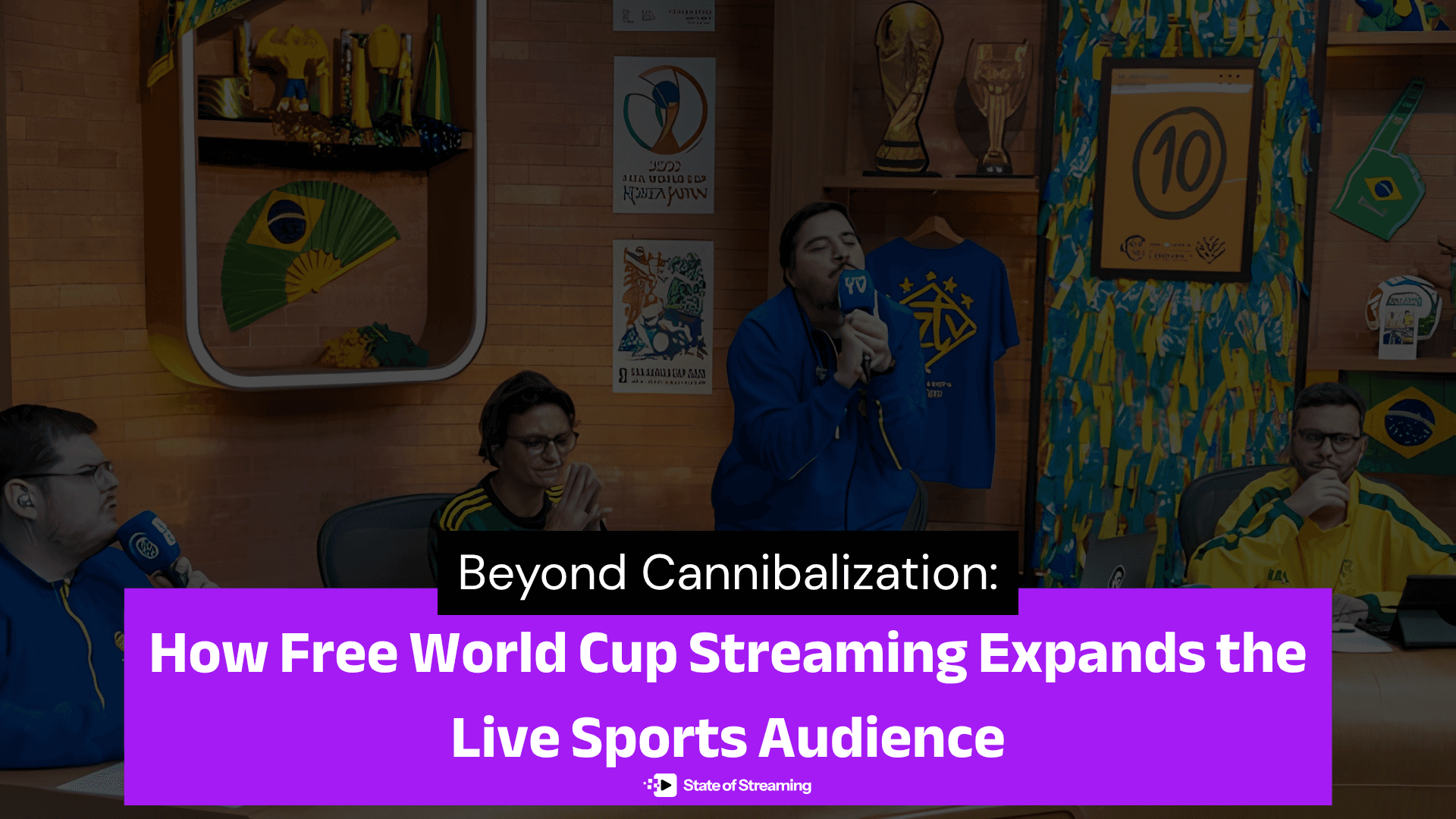
Digital broadcasting of the 2026 FIFA World Cup did not just siphon viewers away from traditional television networks, it expanded the overall sports audience.
A recent report from sports tech firm LiveMode shows that free, digital-first streaming grew the collective viewership pie rather than cannibalizing legacy broadcasts. In Brazil, where digital channel CazéTV streamed all 104 matches for free on YouTube, the combined peak audience across streaming and traditional television jumped 22% to 53.2 million viewers. This represents an increase of nearly 10 million viewers compared to the previous tournament.
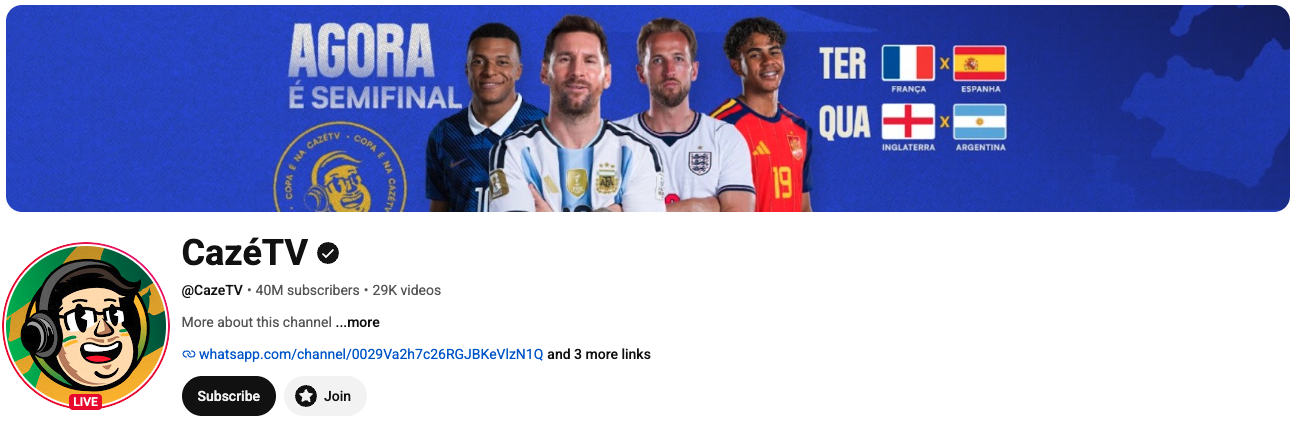
The growth was driven by a sharp increase in connected device viewership. Peak simultaneous devices watching the free digital broadcasts averaged 17.4 million per match, more than tripling the 5.3 million devices recorded during the 2022 tournament. As detailed in a case study of the broadcast, this massive migration to digital environments shows how creator-led, interactive online platforms are successfully capturing younger demographics who reject traditional television.
While traditional free-to-air television ratings in Brazil fell compared to four years ago, the influx of digital streaming completely offset those losses. This frictionless approach differs sharply from Western markets, where sports streaming remains heavily fragmented behind competing paywalls. In the U.S., fans must navigate a dizzying maze of premium apps, digital tiers, and cable bundles just to follow a single tournament. For instance, Fox's recent DTC acquisition test shows that American rights holders are using the World Cup as an aggressive funnel to drive downloads for its Fox One service, prioritizing subscriber ecosystem growth over raw audience reach. This strategy ultimately trades maximum potential viewership for immediate, predictable consumer revenue.
For media executives, the Brazilian data disproves the long-standing fear that digital rights inherently erode the broadcast base without creating new economic value. Instead, zero-friction distribution models are bringing in an entirely new segment of highly engaged fans that legacy television technology can no longer reach. The 2026 tournament proves that live sports streaming is not a zero-sum game, but a viable blueprint for expanding global viewership.
If You Liked This You May Also Like
Why Fox Is Running the Largest Streaming Acquisition Test in Sports Media History.
Get the SOS. Brief
The sharpest streaming intelligence, delivered to your inbox.