Hollywood Copied the Wrong Half of Star Wars - Attention Capital | A Column by Josh Stein
Editor's Note
Attention Capital is a syndicated column by Josh Stein decoding the economics of media, sports, and platform ecosystems — where attention becomes enterprise value and the contracts behind the cash flow get priced like the credit they actually are. Hollywood has spent fifty years paying top talent like employees when it should be compensating them as distribution channels. The industry's massive fixed-cost structure only survives because institutional capital hasn't yet built a credit desk to finance the timing risk for stars to own their own backend.
In July 1973, Fox signed a deal memo giving George Lucas $150,000 to write and direct a space movie nobody at the studio understood.
A month later, American Graffiti opened and made him bankable. His agent told him he could now get $500,000 for the picture, maybe a million. Lucas said no. He kept the $150,000 and spent his leverage on the parts of the contract Fox considered filler: the sequel rights and the licensing and merchandising. His lawyer at the time, Tom Pollock, later recalled the pitch in one line. Lucas saw the movie in multiple parts, and he wanted whatever came after the first one.
Fox agreed because the rights looked like nothing. Movie toys were an afterthought. Sequels were what you made when the first film underperformed, and you needed to squeeze the last dollar out of the sets. The studio kept 60% of the profits on the film itself, and Lucas took 40%, out of which he dealt points to his cast and crew. Variety printed the split the month the picture opened.
The rest you know in outline. Take it in numbers instead.
Star Wars cost about $11 million and grossed roughly $410 million worldwide on its original run. Kenner’s action figures sold 40 million units in 1978 alone, for about $100 million, and did it again in 1979. Fox’s own licensing department had run the toy deals for the first year or two. When Lucas came back to the studio with The Empire Strikes Back, he financed the film himself, took the merchandising back, and offered Fox seven years of distribution and nothing else. By 2012, the franchise had sold more than $20 billion in licensed goods, on top of the box office and the home video. That October, Disney paid $4.05 billion for Lucasfilm, roughly half in cash and half in stock.
One more figure belongs here. Alec Guinness thought the dialogue was rubbish and said so. He got Fox to double his fee to $300,000, then took 2% of the backend, and Lucas added a quarter point after the wrap as a thank you. That 2.25% paid him more than $7 million on the first run and an estimated $95 million by the time he died in 2000. The fee was a rounding error on the points.
Hollywood watched all of this happen in real time. It rebuilt its release calendar around the summer tentpole, the franchise, the sequel, and the toy aisle. Every major now runs the business that Star Wars proved out in 1977, and every one of them still pays its stars the way Fox wanted to pay Lucas.
Welcome back to Attention Capital
In Creators Are the Canary, Not the Economy, I argued that creators are the first class of operators to run a business with every layer of insulation stripped away, and that the rest of the economy is drifting toward their conditions. This essay walks the argument back up the ladder, into the industries with the most insulation left: film, television, sports, and music. Each of them runs on a compensation convention that was correct for its era and is now the most expensive line item on the P&L.
The convention is this: the person who brings the audience gets paid like an employee.
For the Attention-Constrained
The asset.
Film, television, sports, and music are audience-experiential goods. The audience shows up for a specific person. That person is the distribution channel, and everywhere else in the economy the channel gets paid out of what it carries.
The convention.
In every one of those businesses, the person who brings the audience receives a large fixed number and little or no ownership of what the audience generates. The number is fixed because the audience is variable, and the convention was built in a world where the studio held the portfolio and the talent held one career.
The reversal.
Streaming ran the convention in the wrong direction at the worst possible time. It bought out backend with guaranteed premiums, converting variable compensation into fixed cost just as per-title upside collapsed. Everyone chose certainty right as certainty became the expensive thing to provide.
The proof.
Michael Jordan earned roughly $94 million in NBA salary across 15 seasons. Nike now pays him an estimated $275 million to $300 million a year, more than two decades after his last game. Lionel Messi negotiated for a piece of Apple’s subscription revenue and Adidas product at Inter Miami, on terms that were reported and never published. Rihanna and Dr. Dre got rich through ownership outside the recording, Taylor Swift bought hers back inside it, and the labels wrote 360 deals to buy a piece of all of it.
The mirror.
Large-cap America pays the executive responsible for enterprise value mostly in stock. Stock awards were 71.6% of the median S&P 500 CEO package in Equilar’s 2025 study, because boards decided long ago that a fixed salary doesn’t align anyone to an outcome. Entertainment and sports face the same alignment problem and put the alignment in the wrong place.
The gap.
Ownership requires capital. A person who takes participation over cash eats the timing risk between the work and the return, and somebody has to finance the gap. That desk doesn’t exist at institutional scale, which is why the convention survives even where everyone can see the math.
I. The Wrong Half
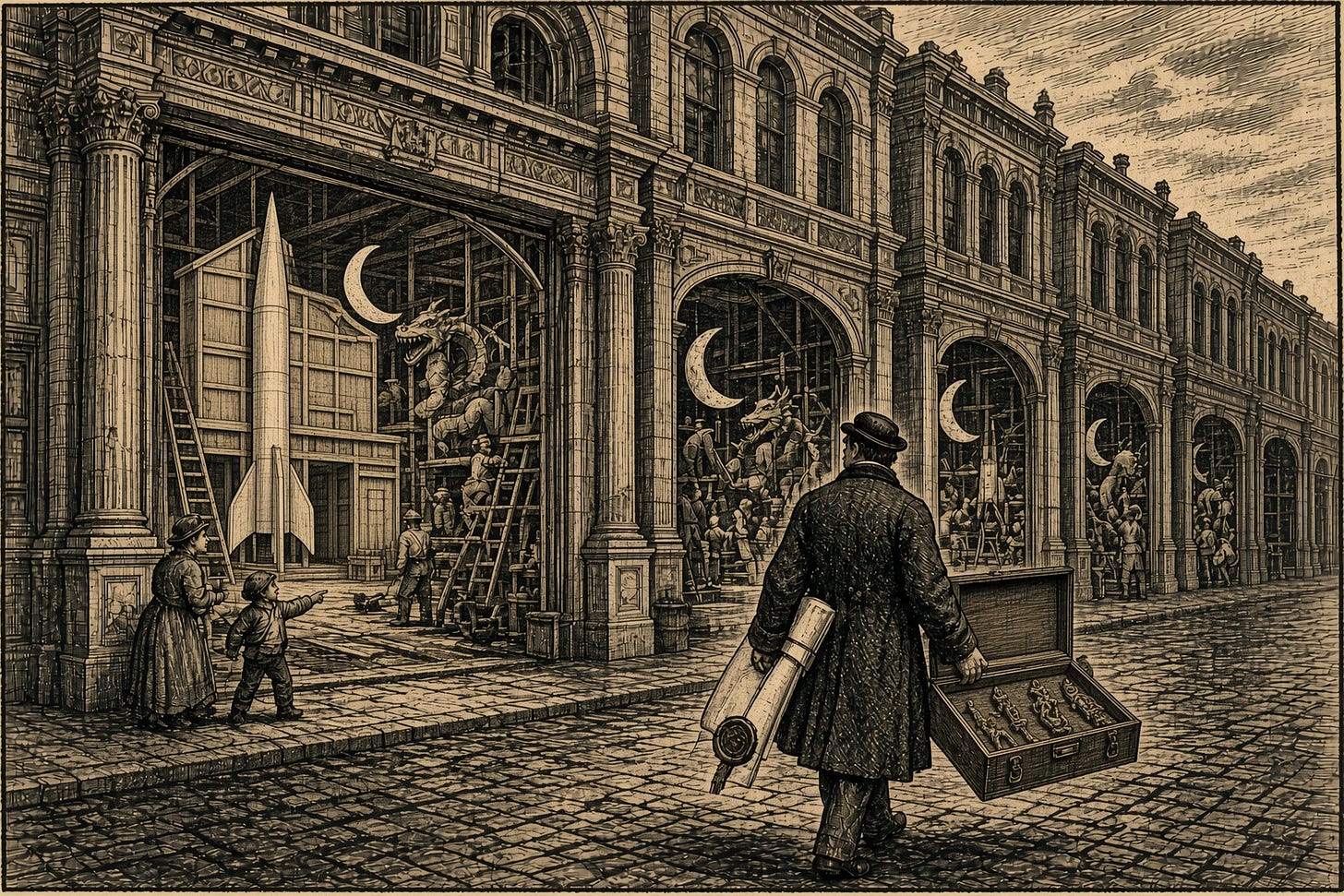
Start with what the industry did copy, because the copying was total.
Before Jaws and Star Wars, the summer was a dumping ground, and the sequel was a confession. Afterward, the summer was the fiscal year, and the sequel was the plan. Star Wars showed that a wide release could carry a universe, and a universe could carry a toy line, a novelization, a bedsheet, a lunchbox, and a second film. Within a decade, the studios had reorganized around the property. Within two, the property was the whole strategy.
The modern studio is a franchise management company with a production arm attached. It learned that shape from one movie.
What it declined to learn was who should own the franchise.
Look at the two halves of the Lucas deal as a finance person would. One half was a product insight: audiences will pay for the same world repeatedly, across formats, for decades. The other half was an allocation: the person the audience shows up for holds the sequels and the merchandise, and the studio takes its cut of the picture and the distribution. Hollywood adopted the product insight and passed on the allocation. It has spent 49 years defending the second decision with the profits from the first.
The defense usually runs through Guinness. He got points, the argument goes, and points are available to anyone with the leverage to demand them. True, and it misses the mechanism. Guinness’s points came, by his own account, out of Lucas’s side of the deal, and Lucas’s side came from a contract in which the person who made the audience show up had first negotiated to hold the sequels and the merchandise. The points flowed downhill from ownership. Take the ownership away and points become a promise against a studio’s definition of profit.
Hollywood kept the franchise and kept the talent on salary, and it has spent 49 years defending the second decision with the profits from the first.
II. Why the Convention Was Right, and What Changed
The fixed fee was the correct instrument once. Grant that, because a change in conditions is easier to see when the old allocation made sense.
Under the studio system and for decades after it, distribution was scarce. A handful of majors, a few thousand screens, three networks, a release calendar with, call it, 40 real slots a year. The studio held the portfolio: 20 pictures out, a few had to work, the hits paid for the misses. Round numbers, and the shape is what matters.
Talent held one career, and one bad year could end it. So talent sold its variance to the studio in exchange for certainty, and the studio bought that variance cheaply because it could diversify what an individual could not. Fixed fee for the person, portfolio risk for the institution. Agents built 40 years of practice on extracting the highest fixed number that allocation would bear.
Every condition underneath it has since reversed.
The bottleneck that disappeared is access. Anyone can reach everyone, at once, for nothing. Thousands of scripted titles a year and an unlimited number of channels compete for a fixed number of human hours, and per-title upside collapsed with the scarcity that created it. Marketing and discovery still cost real money. The studio still does real work there, and the close of this essay comes back to what that work is worth. The portfolio went with the scarcity: a slate sold to streaming platforms that pay a license fee and keep the audience data, or opened into a theatrical market that releases more films in a weekend than anyone can remember.
The fixed compensation structure survived all of it. It sits on the P&L where it sat in 1985, a line that does not flex with the outcome, priced off a scarcity that no longer exists. When upside per title was large and reliable, the fee was a small tax on a big number. Now it is the biggest number in the budget, paid whether or not the audience arrives.
The fee is still correct for most of the people on a call sheet. A grip is labor, and so is the working actor in the fourth billing slot, and labor gets a wage with union minimums and residuals as the floor. The convention breaks at the top of the sheet, for the person whose name is the reason the audience bought the ticket. That person is distribution. They carry the audience in with them and carry it out when they leave, the way a cable system carried subscribers or a retailer carries foot traffic, and nobody has ever paid a cable system a salary. Distribution gets a share of what it distributes, in every industry except the ones that run on it most.
The boundary is real, so state it. Most hits are joint products of the person, the IP, the marketing, the release date, and the co-stars, and a showrunner can be labor on the call sheet and the draw at the same time. The test for the second role is portability, and it runs on a dial. When the person leaves, how much of the audience goes with them?
Run it on the essay’s own cases. Star Wars fails it. When Lucas sold, the audience stayed with the property, which is why Lucas opens this essay as the owner of a world and never comes back as a portable star. An actor cast into a franchise fails it most of the time; the audience came for the world. Jordan passes it about as cleanly as anyone ever has. Nike built the product and the distribution, and the audience still followed him out of the arena and into the store, and it has kept showing up there for 40 years. Most people sit somewhere in between, and their participation should scale with where they sit. This essay is about the people at the Jordan end of the dial, and that set is smaller than fame would suggest.
Lucas owned a world, and Jordan owns a following, and what they share is the subject of this piece: a claim on recurring demand, paid out over decades, where a wage would have stopped on the last day of work.
Nobody pays a channel a salary.
III. The Buyout Era
The streaming decade is the part of this story that has not been written, so it needs the most space.
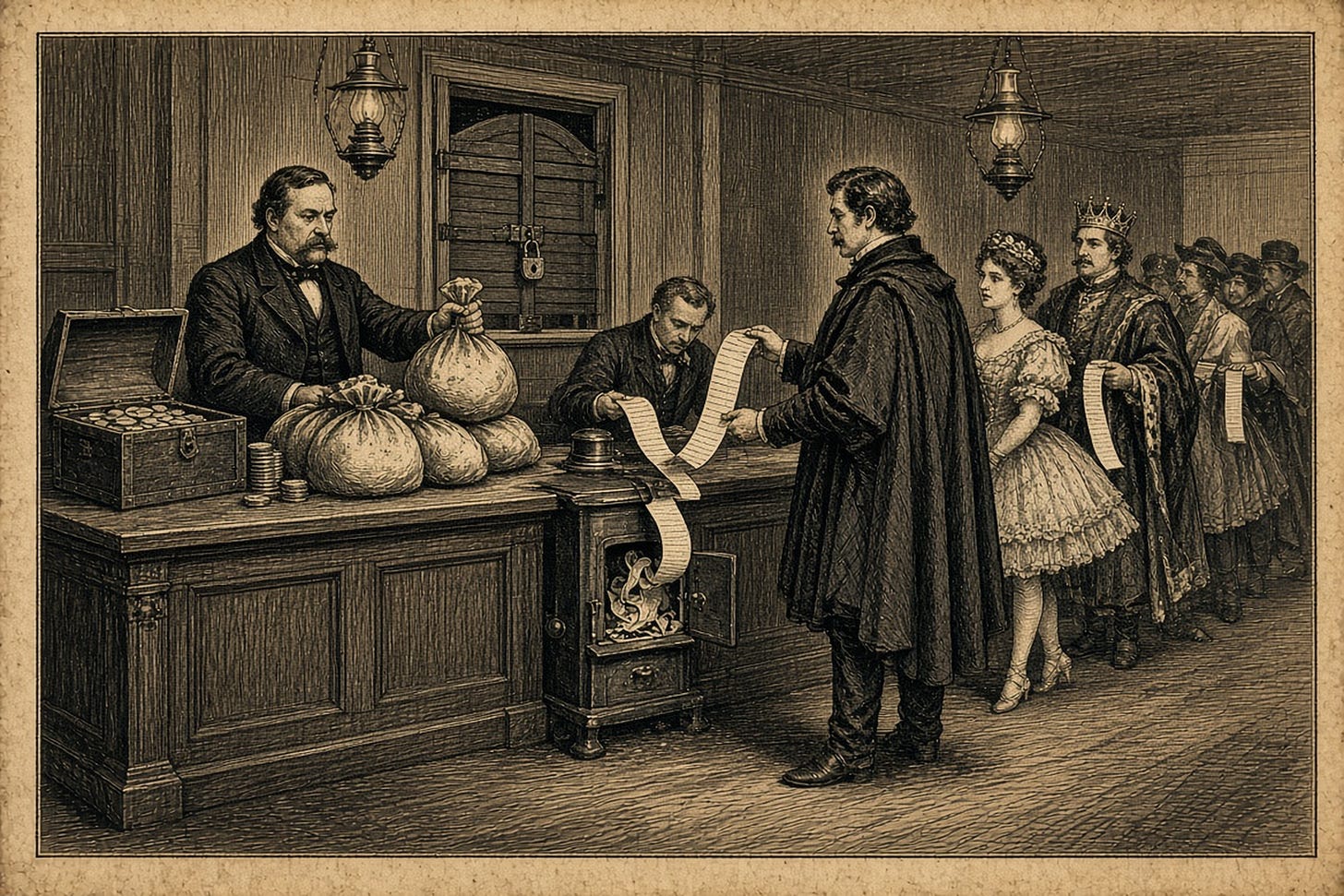
When Netflix began commissioning originals at scale, it faced a problem the studios had solved a century earlier with backend. How do you get top talent to work for a distributor whose profit-and-loss statement is a single subscription line? You can’t offer net points on a show with no revenue of its own. So Netflix offered what any buyer with cheap capital would offer.
It bought the backend out.
Producers and studios sold shows on a cost-plus basis, with about 30% on top of the production budget in a standard deal, according to the people negotiating them in 2018. Variety’s 2022 account put early premiums at 30% to 40% of the series budget, later replaced by flat fees once everyone noticed budgets were rising and inflating the premium. Star talent took large guarantees in lieu of participation. The money was real and upfront, and during the land grab it was enormous.
Read what that transaction did to the industry’s capital structure.
For the first time since Lucas, the buyer could see, at the account level, which titles drove signups and which ones held subscribers through a renewal. That is viewing data. It stops short of proving which person caused what, and it is still more than any studio ever had. With it in hand, Netflix converted every variable claim against the audience into a fixed one. It paid the people attached to those titles a premium to stop being owners.
Talent said yes for the obvious reason. Cash today beats a participation in a profit definition nobody trusts, and after decades of studio accounting, the offer to skip the argument looked like a gift. Rational, one deal at a time.
The aggregate effect ran the other way. The industry converted its variable compensation into fixed compensation at the exact moment certainty became the most expensive thing anyone could provide. Per-title upside had just become unknowable. The show had no revenue, and the one party that knew what it was worth wasn’t saying. Under those conditions, guaranteeing the outcome to the people attached to the titles that drive it is the costliest insurance on the market. Netflix wrote that policy for everyone. Its competitors, chasing the same talent with less data and worse balance sheets, wrote it too.
Then the land grab ended. Growth slowed, the cost of capital went up, and every platform discovered that the fixed cost was permanent and the upside had been sold off in the same transaction. A buyout premium that looked cheap while subscribers compounded started to look like a mortgage once they stopped.
The 2023 strikes were, among other things, a fight about this. Talent had sold its backend for cash and watched the cash stop growing. The union’s answer was a streaming success bonus that pays out when a title is watched by 20% of a service’s domestic subscribers in its first 90 days, with a quarter of the pool routed to a fund for other streaming performers. Read that as a term sheet. It is variable compensation, keyed to audience behavior, restored through collective bargaining after the market had stopped offering it. A backend, rebuilt from scratch.
Asked in late 2024 whether the model would change, Netflix’s chief content officer said it wouldn’t, and that the bespoke upside-sharing deals the company had done could be counted on two fingers. Fair enough. A buyer that holds the data will prefer the fixed-cost structure for as long as the people across the table keep signing cost-plus.
IV. Sports Ran the Experiment Already
Sports is the cleanest proof because the numbers are public and the counterfactual played out in one career.
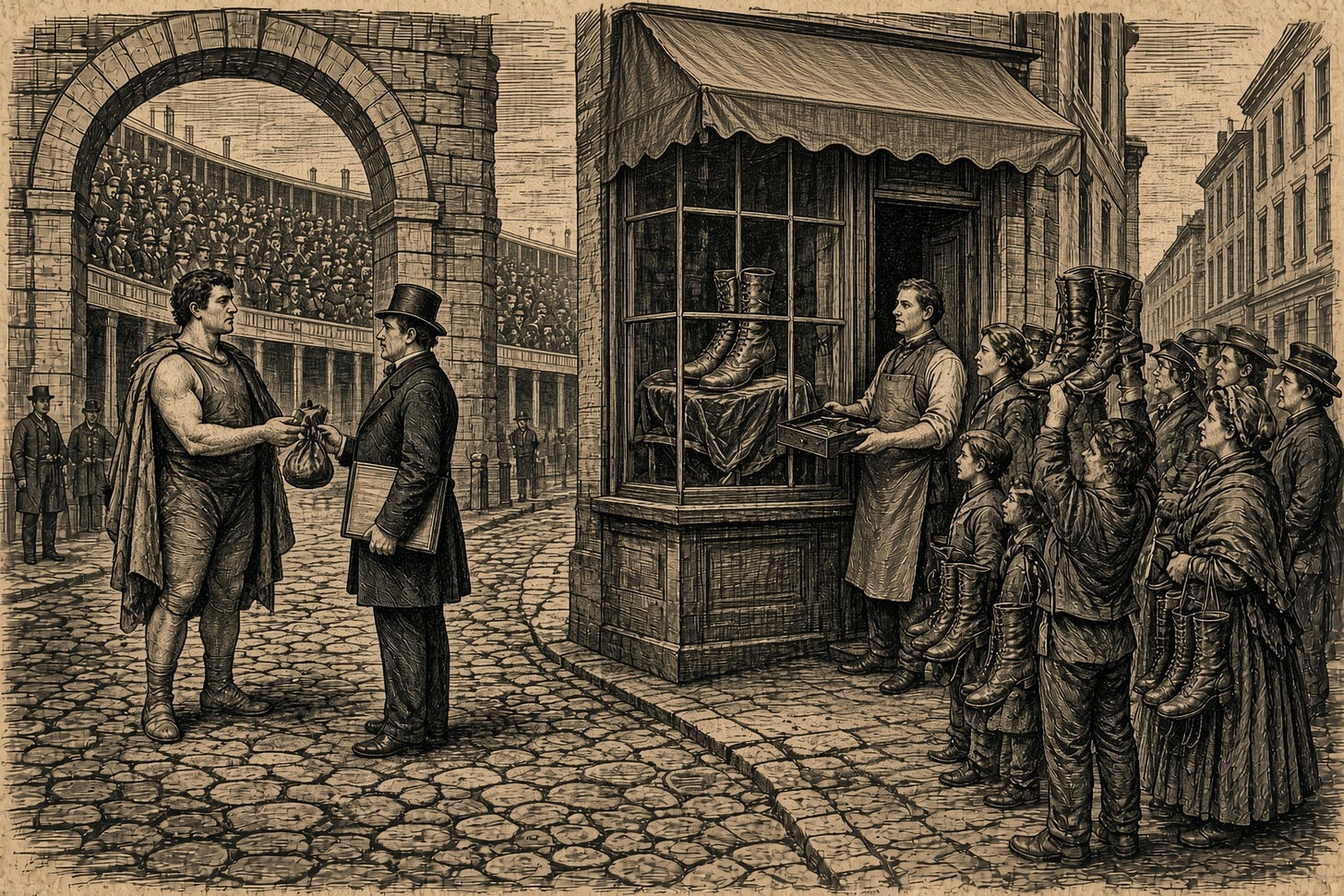
Michael Jordan earned about $94 million in NBA salary over 15 seasons, and $63 million of it came in his final two years in Chicago. Forbes rounds the career total to $90 million. His shoe royalties from Nike are estimated at nearly $300 million a year by Forbes and at $275 million for 2025 by Sportico, on a Jordan Brand that booked $7.27 billion in revenue in Nike’s fiscal 2025, a down year, 16% off the prior one, and still $7 billion. More than two decades after his last game, Nike’s annual check is roughly three times his lifetime earnings from the league. The Bulls rented the channel. Nike bought it.
The whole case fits in that paragraph. The team paid a salary for the audience Jordan brought into the building and onto the broadcast. The shoe company paid a royalty on the audience he brought into the store. Same person, same audience relationship, two capital structures, and only one of them has compounded for 40 years, through good years for the brand and bad ones.
Now watch the modern version get written in real time.
When Lionel Messi signed with Inter Miami in 2023, the headline was a contract worth up to $150 million in salary, bonus, and a post-retirement equity stake in the club, reported at roughly 10%. The structural news sat underneath the headline. ESPN confirmed that the negotiation included a cut of revenue from new subscribers to Apple’s MLS Season Pass, with a profit share from Adidas, the league’s kit supplier, also under discussion. One sports lawyer called the Apple piece unprecedented and said no athlete in baseball, basketball, or football had ever been given anything like it.
The final terms have never been published. Remember that every time someone quotes them.
What is documented is the shape of the negotiation. The most valuable player in the world walked into a league that needed him more than he needed it, and the two revenue lines on the table beside his salary were the subscription product that carries the games and the product that carries his name. In March 2026, the club’s owner said Messi is paid $70 million to $80 million a year, a figure he said includes the player’s ownership shares. That is the negotiation, run by the highest-leverage athlete alive.
Note where the equity had to go. Messi’s stake vests after he retires, and the Apple and Adidas pieces, as reported, sit outside the league entirely. The drafting followed the rulebook. American leagues have historically restricted athlete ownership in the franchises they play for, and the NBA’s 2023 collective bargaining agreement still bars active players from investing directly in teams, permitting only passive exposure through union-level funds and small stakes in WNBA clubs. The person who brings the audience is barred by rule from owning the venue the audience fills. So athlete ownership routes around the league, into shoes and streaming and media companies, and the league keeps paying salary for a channel it is prohibited from letting the channel own.
In The Athlete Commercial Bond, I read endorsement income as contracted receivables from investment-grade counterparties. This essay is the other side of that trade. The receivables exist in part because athlete ownership had to route around the league, and the salary structure helped create the asset class by refusing to hold it.
V. Music Already Inverted It
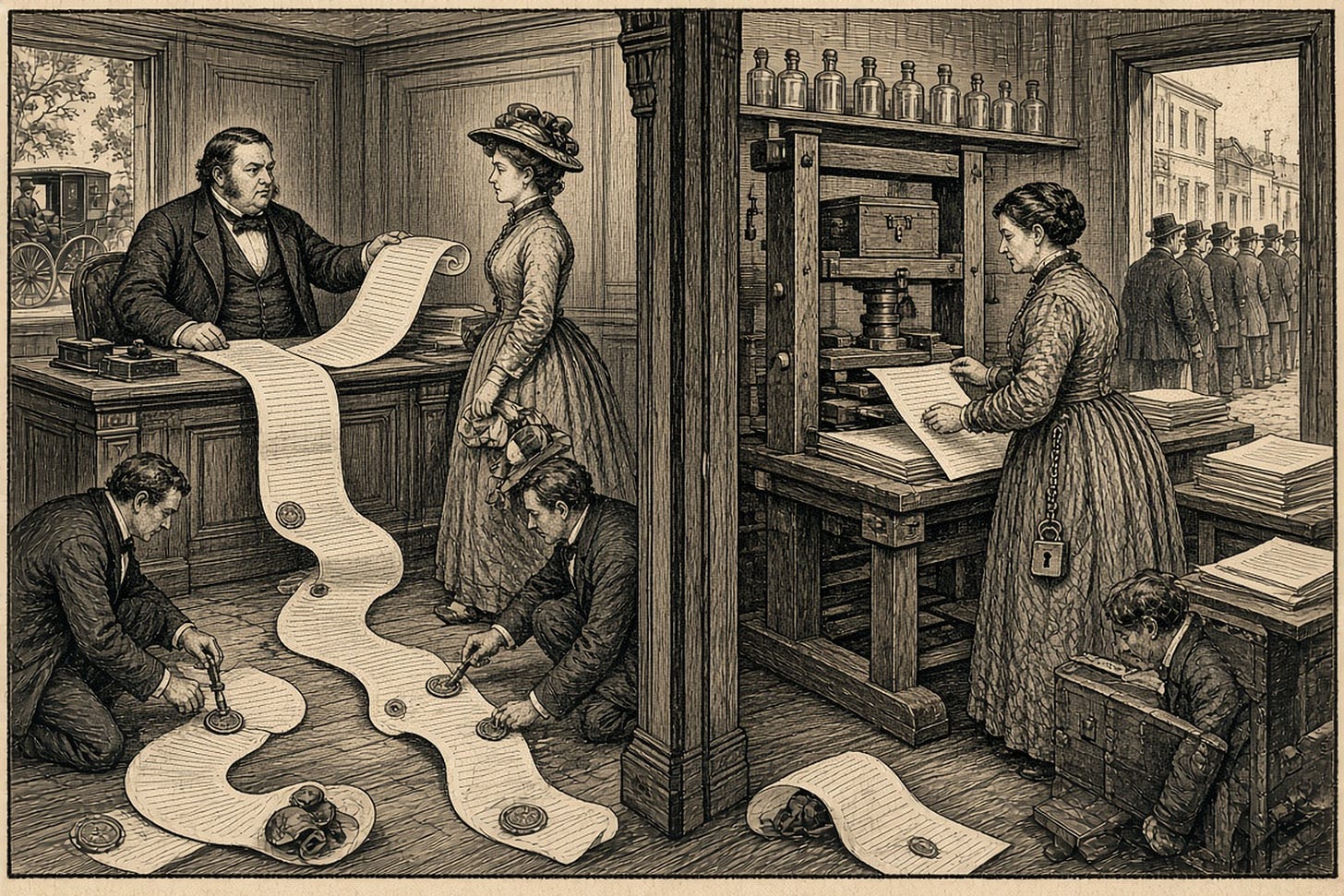
Music is the industry where both sides have already conceded the argument, which is what makes it useful.
The labels moved first. In 2002, EMI signed Robbie Williams to a deal reported at £80 million, the largest in British pop history and the one the industry remembers as the first 360 deal. In 2007, Madonna left Warner for Live Nation on a 10-year agreement worth about $120 million that covered albums, touring, merchandising, the fan club, sponsorships, and the Madonna brand itself. The industry called these 360 deals.
Translate the term. The label had noticed that recording was a small, shrinking slice of the cash flow the artist’s audience produced, and it wanted a piece of every other slice. A 360 deal is the counterparty recognizing the exact economics this essay describes and moving to capture them before the artist did.
The artists who ended up wealthy built ownership the label couldn’t reach in three different ways. Rihanna’s fortune comes from Fenty Beauty, a 50-50 joint venture with LVMH that Forbes valued at $2.8 billion in 2021, a business that exists because the audience she built as a recording artist will buy what she puts her name on. LVMH has been reported this year to be exploring a sale of its half, with analysts cited in the coverage putting the stake between €1.5 billion and €2.5 billion. Dr. Dre held about a quarter of Beats when Apple paid $3 billion for it in 2014, and Forbes put his after-tax take at around $500 million. Two of the three built ownership outside music. Taylor Swift bought hers back. Denied her masters, she re-recorded four albums to compete with her own catalog and then, in May 2025, bought the originals from Shamrock Capital at a price she declined to disclose and Billboard reported at about $360 million. Shamrock had paid about $300 million for them five years earlier.
Under each of those businesses sits the audience the records built, and in each case the recording did the marketing.
Read the two moves together and music has already run the full argument. The labels saw that the recording contract was underpricing the audience relationship and wrote 360 deals to capture the difference. The top artists saw the same thing and built ownership outside the label’s reach. This publication has spent a good deal of time on how music built the credit infrastructure for behavioral cash flow, from Bowie’s 1997 bonds forward. Underneath that infrastructure sat a compensation question music answered a decade before film or sports asked it. Bowie borrowed against a catalog he had kept. Ownership came first.
The 360 deal was the label admitting the recording had become the smaller slice.
VI. The Corporate Mirror
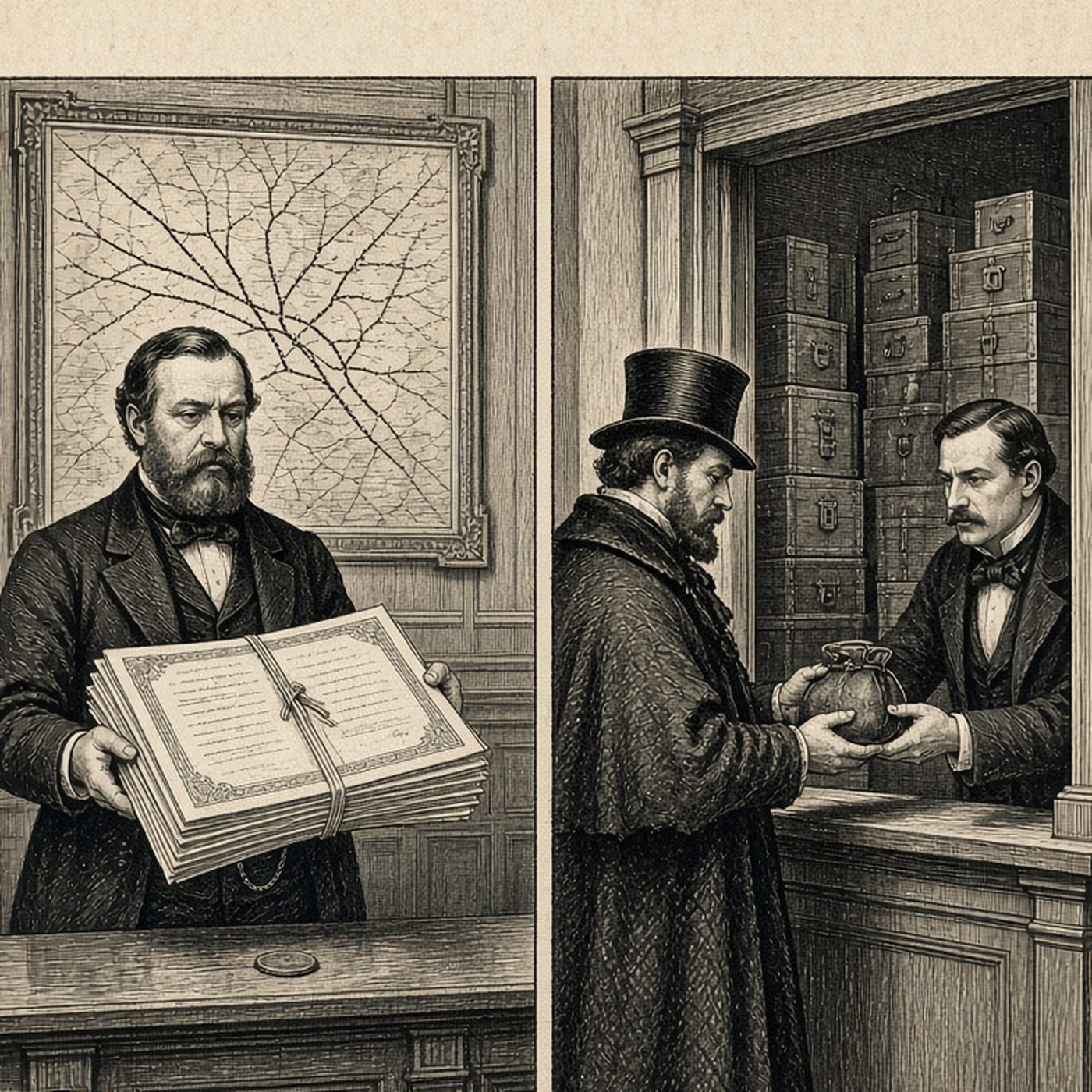
Everything above should make the next paragraph feel like something you already knew.
Large-cap America pays the person responsible for enterprise value mostly in stock. The median S&P 500 chief executive took 71.6% of the package in stock awards in Equilar’s 2025 study, and at the biggest companies the salary line has settled into a token. Netflix’s co-CEOs each drew a $3 million base salary against roughly $41 million in stock awards in 2025, per the company’s proxy, with a cash bonus in between. Tim Cook’s fiscal 2025 package at Apple ran $3 million in salary and $57.5 million in stock. At Disney, Bob Iger’s base is $1 million, and the other $44.8 million of his 2025 package came in options, stock, and performance pay.
Founders keep their stock. Hired operators arrive with packages weighted to the share price. Large-cap boards settled on this premise decades ago, after a generation of executives ran companies for salary and left shareholders holding the variance: a fixed salary does not align a person to an outcome, so the person who drives the outcome holds a claim on it. Nobody in corporate finance considers this radical.
Now put the two structures side by side.
The chief executive’s problem: a person drives a variable outcome, the outcome is measurable, and the institution needs the person’s incentives pointed at it. Solution: ownership, with cash as a floor. The star’s problem: a person drives a variable outcome, the outcome is measurable to the household, and the institution needs the person to show up and bring the audience. Solution: the largest fixed number the agent can extract, with ownership as a rounding error.
Same problem, inverted answer. The inversion also runs the wrong way on cost. In the corporate structure, the fixed floor is small, and the variance sits with the owner. In the entertainment structure, the fixed number is the biggest line in the budget, and the variance sits with whoever wrote the check.
Netflix shows both structures inside one company. The proxy governs executives and talent deals are procurement, two relationships under two bodies of law, granted. What makes the pairing worth a paragraph is that both layers answer to the same number. The share price moves on subscribers. The titles move subscribers. The company puts equity on the first layer and buys it out of the second, and the second is where the fixed-cost base grew.
VII. The Creator Native Case
One population never had to negotiate any of this, because there was nobody across the table.
A creator who self-commissions owns the work from the first upload. There is no participation to define and no buyout to accept, because there is no counterparty. The audience arrives for the person, the platform pays the person, and the merchandise, memberships, and sponsorships accrue to the person while the catalog compounds under the person’s name. The Lucas structure, with the studio removed.
It is also why creator businesses that hold the customer relationship compound while comparable talent careers in legacy media stall out. A television star’s audience, at the end of a series, belongs to the network’s library. A creator’s audience is still subscribed.
This publication has already traced what that looks like at scale. Markiplier financed and released Iron Lung himself and kept the economics a studio would have bought out. Barbarians at the Gate 2.0 argued that leveraged buyers were circling creator businesses because the cash flows were documented and recurring, regardless of who owns the asset. The businesses attracting that capital are the ones where the person who brings the audience already owns what the audience generates. The ownership question was settled at the start, and the capital followed.
A 25-year-old with a camera builds an enterprise a studio wants to buy. The difference between that person and a series regular the same age is which half of the Lucas deal each one holds.
VIII. The Objections, in Order
An argument this broad has answers waiting.
The first is that the risk allocation is correct as it stands. Talent needs certainty, studios hold portfolios and absorb variance, and the fixed fee is the price of that service. That holds for labor. For the person who is the distribution, it means the studio is charging the channel for insurance against the channel’s own performance, and the portfolio is diversifying a risk the channel largely controls. Slate variance has many parents, and audience contribution is one of the biggest. The standard allocation holds below the line and gets weaker the higher up the sheet you look.
The second is Hollywood accounting. Net profit definitions are famously unreachable, participations are famously worthless, and cash is therefore the rational choice for anyone who has watched a hit show report a loss. All true, and all beside the point. Gross participations exist at the top of the market, and they are still a claim against someone else’s ledger, with no sequels, no merchandise, and no IP behind them. Unreachable definitions argue for better instruments: audited revenue lines, bonuses keyed to the platform’s own audience data, and direct ownership of the IP. Net points failed as an instrument, and the industry’s response was to shrink variable pay to a claim on someone else’s ledger and then, in streaming, to buy even that out. The same failure is exactly why self-commissioning wins. Nobody has to define profit when the person who brings the audience already holds the account.
The third is the guilds. Collective bargaining requires employee classification, minimums, residuals, and health and pension contributions, and any argument for ownership over salary has to answer for the protections it would seem to erode. Those structures are a floor. The floor is the reason the American entertainment industry has a middle class at all, and nothing here argues against it. The argument concerns the top decile of the call sheet: covered labor under the same agreements, negotiating far above scale, and functioning as distribution at the same time. Economic role and legal classification are different things. Both can be true of one person, and they already are: the participation sits above scale as a separate commercial term, which is how backend has always lived inside the guild structure. The 2023 success bonus shows collective bargaining can restore audience-linked variable pay for covered performers too, without touching the floor.
The fourth is survivorship. Only stars can pull this off, only Lucas could hold out for sequel rights, only Messi can negotiate Apple into a contract. Yes. That is the argument. The essay is about the people who bring the audience with them, and by definition that is a small set. The point is what the set is paid with, and it holds whether the set is 50 people or 5,000.
The fifth is the vendor objection, and a business affairs lawyer will raise it against Section VI: no company grants equity to its suppliers, so comparing executive pay to talent pay is a category error. The lawyer is right that Apple’s store cut, a cable operator’s carriage economics, and an exhibitor’s split are entity deals, and entities own pipes and screens and carry operating costs. So look at the individuals who get paid on throughput. An author takes a royalty on every copy. Jordan takes a royalty on every pair, from a company that never put him on payroll and pays him on every unit that moves, because the demand walks in with his name on it. The function decides the instrument, and the function is throughput. The star at the Jordan end of the dial carries the demand the same way, and the industry pays that person by the day.
The sixth is the strongest, and it closes the piece. If everyone who drives an audience takes participation over cash, the studios can’t finance anything, because the entire production financing model runs on the studio being able to budget a known obligation and borrow against a known cost. Correct. One structure squares it: the studio’s obligation to pay the participation is contractual and auditable, so the studio still budgets a known cost, and a lender holds the audience risk at a price. Nobody is running that desk. That is the gap.
IX. Ownership Needs a Balance Sheet
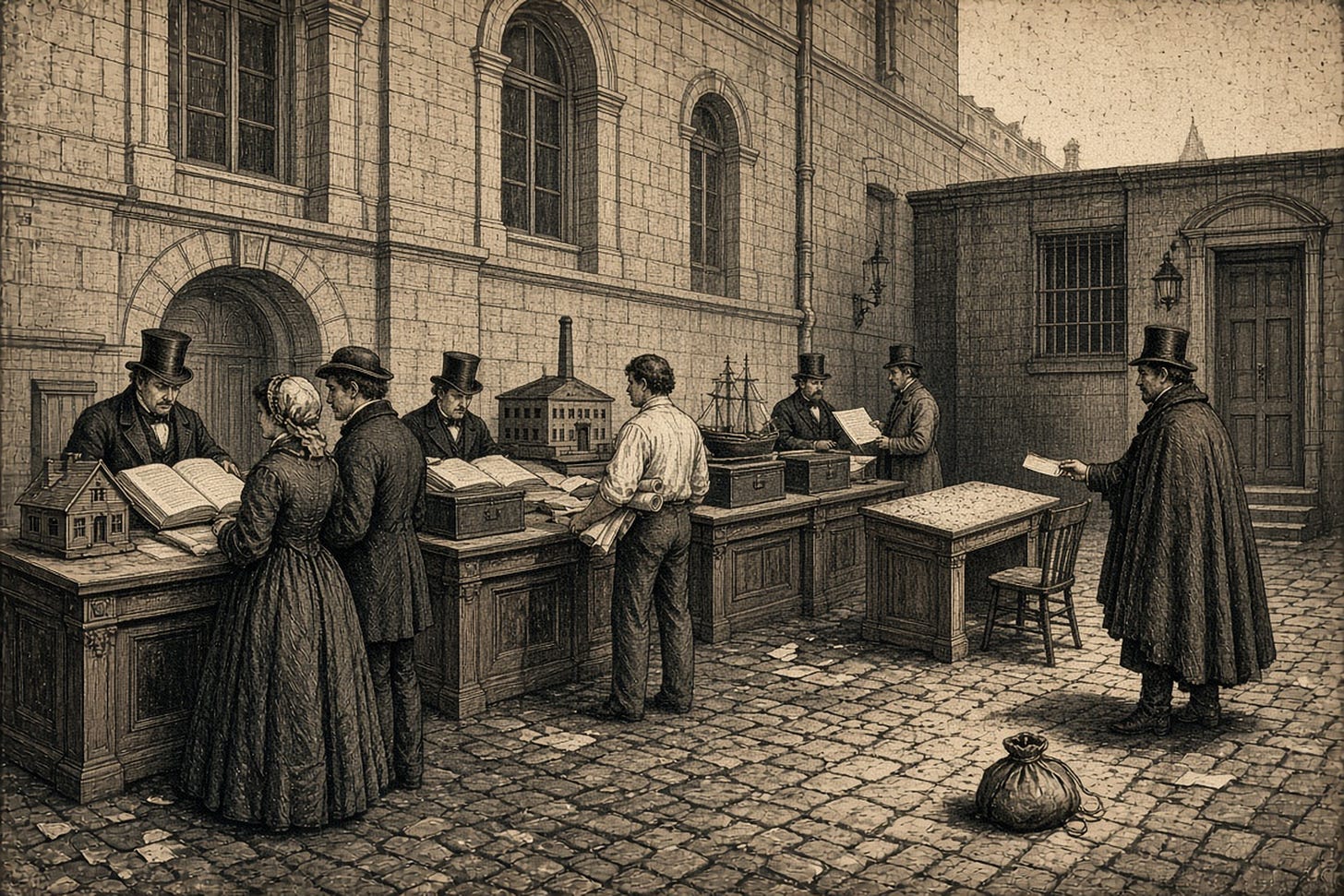
Taking points over cash means eating timing risk. The work happens now. The return arrives over years, if it arrives, and it arrives in a form the person cannot spend until it does.
Put it in credit terms, as an analogy. An actor who passes on a $10 million fee for a participation has deferred $10 million of compensation into an unsecured, contingent claim on the production’s audience, at a rate nobody quoted, with no obligor if the audience doesn’t come. Most people cannot carry that claim. The few who can carry it once cannot carry it every time, because they have to live between the projects. So the market offers the fee, the talent takes the fee, and the ownership goes to whoever had the balance sheet to wait.
Lucas could wait because American Graffiti had just paid him. Jordan could wait because his NBA contracts covered the bills while Nike compounded quietly in the background. Messi could negotiate a subscription share after two decades at the top of the sport, and Rihanna could build Fenty on the back of a decade of records and tours. In every case, the ownership position was financed by cash from somewhere else, and the somewhere else was the person’s own prior earnings.
The convention survives because the only lender in the market for talent ownership has been the talent.
That is the missing desk. The kinds of ownership the economy takes seriously come with a financing layer. A founder gets venture capital to hold equity through the years the company doesn’t pay. A homeowner gets a mortgage, and a leveraged buyer gets the senior lender this publication spends most of its time describing. The person who is the channel for a film, a series, or a season gets a choice between certainty and ownership, with nobody offering to finance the space between.
Build that desk and two things follow. The first is timing. A star who can borrow against a participation can afford to choose it, at whatever advance rate and cost the desk quotes, and a studio that can offer a financed participation stops carrying the whole fixed cost of the buyout. The choice opens. It doesn’t flip on its own.
The second is discipline, and it’s the narrower claim. A lender advancing against a participation needs a definition it can audit, a waterfall it can read, and a counterparty it can rate, and it will not close without them. So the first term sheets will cluster where those things already exist: gross-style lines, platform-reported audience metrics, contracted counterparties. That is how the first music paper worked too. Bowie’s bonds sat on a catalog with clean collection records, and the rated music deals that followed 27 years later sat on catalogs with cleaner ones. The desk won’t fix Hollywood accounting. It will fund the deals that don’t need fixing, and every deal it funds teaches the next one what the paper has to look like.
In The Largest Attention Allocator In The World, I argued that the sovereign capital sitting in equity positions across sports and gaming is calibrated for a credit layer nobody has built. This is the same gap seen from the talent side. The equity wrapper for the person who brings the audience exists wherever someone had the money to hold it. The credit wrapper exists nowhere at institutional scale.
Hollywood took the product half of the Lucas deal and left the ownership half on the table in 1977, and every year since it has paid a larger fixed number to the people who could have picked it up.
So the questions are these. Who is the first lender to price a participation, and what does that term sheet look like? What happens to the buyout model the day the talent across the table can finance the alternative? And once the financing, the marketing, and the release are priced as the services they are, what exactly is the studio being paid for?
Why Subscribe
Because the most expensive line in every entertainment budget is a distribution channel drawing a salary, and the capital layer that would change that has not been built.
Every week, Attention Capital tracks how documented audience behavior becomes enterprise value: the contracts, the balance sheets built on them, and the layer underneath that finance has not learned to read. If you allocate capital, this is where the ownership structures of talent, sports, and media get priced before the first financed participation prints. If you operate in media, this is where the fixed-versus-variable question on your own P&L gets argued out before your next negotiation. If you build audiences, this is the market learning what the relationship you already own is worth.
Get the SOS. Brief
The sharpest streaming intelligence, delivered to your inbox.