The Aggregator Paradox: How Roku And Amazon Are Architecting The Streaming TV Ecosystem

On Monday, Roku added its $2.99 streaming service on Amazon Prime Video. The same day, Versant put a free ad-supported channel on Amazon Prime Video. One charges. One doesn't. Both chose the same door.
In case you aren't up to speed yet, this is the clearest signal yet that the streaming economy is splitting into two kinds of companies: the ones that build ecosystems and the ones that rent space inside them. The renters think they're making distribution deals. The ecosystem builders know they're building toll roads.
Roku is playing both sides of the table
Here's what makes this interesting.
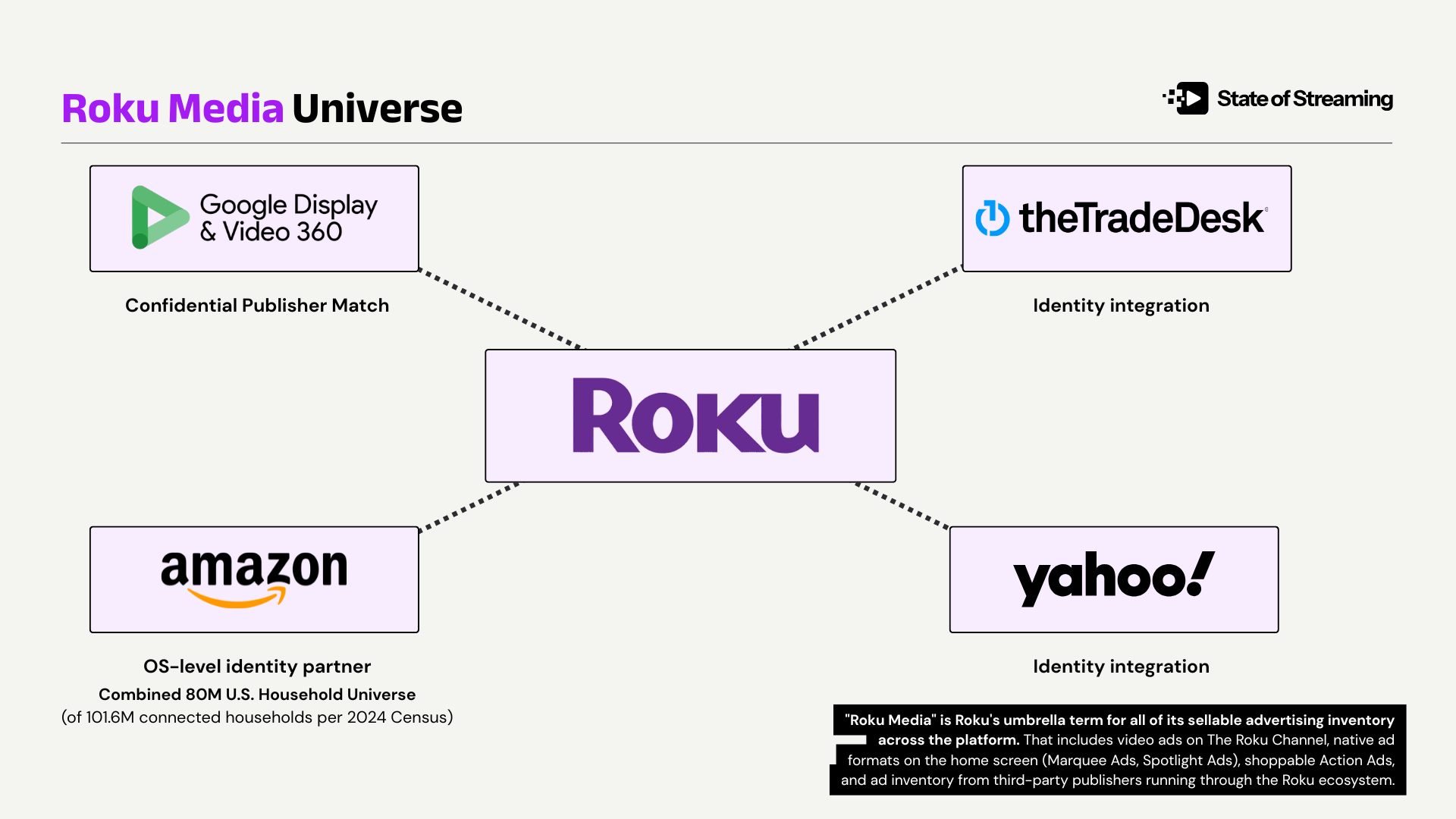
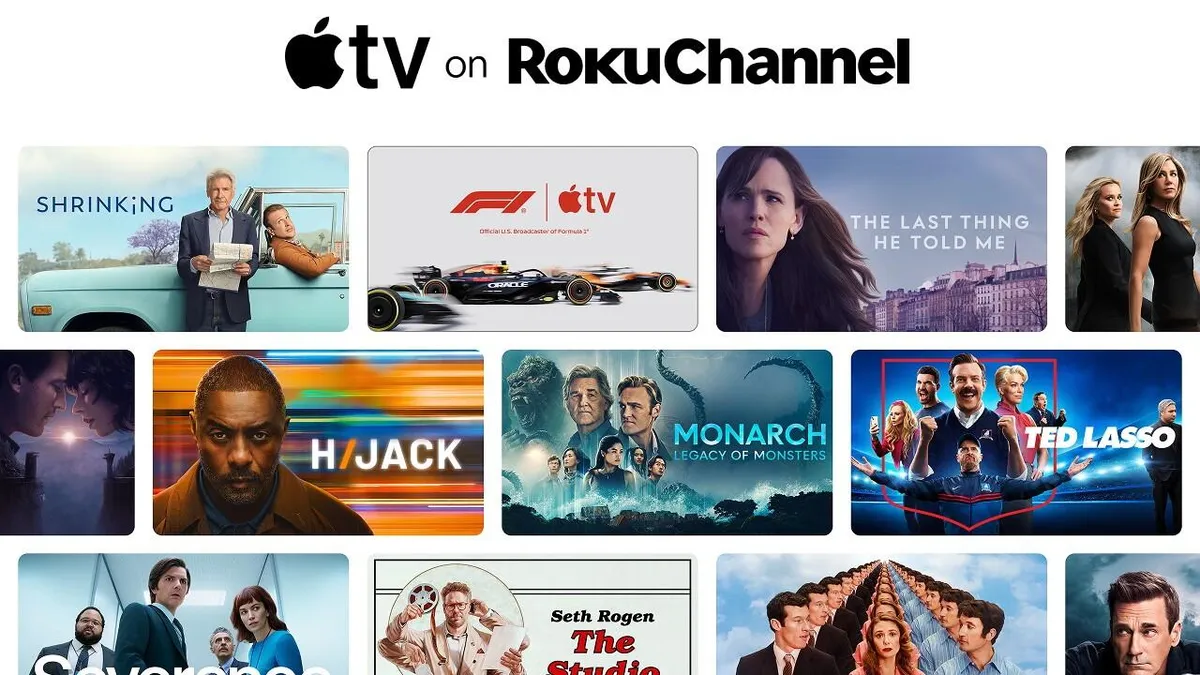
Roku isn't just distributing through Amazon. Roku is an aggregator. Earlier this month, Apple TV joined Roku's Premium Subscriptions marketplace inside The Roku Channel. Disney may be next. Roku is building the neutral ground where streaming services come to find subscribers they can't reach on their own.
And yet. On the same day Roku is pulling Apple into its house, it's walking Howdy next door to Amazon's.
That's the paradox. Roku is the landlord and the tenant. Aggregator on its own platform. Supplier on Amazon's. The question isn't whether that's smart today. It's whether you can sustain both roles when the landlord next door has 200 million tenants and a shopping mall attached.
There's a practical wrinkle too. Howdy doesn't have a mobile app. Roku just gifted 15,000 Texas A&M freshmen free subscriptions to a service those students can't watch on their phones. Amazon's Prime Video app is on every phone in the country. So this isn't just a subscriber acquisition play. It's Roku borrowing Amazon's infrastructure to solve a problem it hasn't solved on its own — before those freshmen arrive on campus in August.
Combined, Roku and Amazon Fire TV already sit in roughly 80 of the 101.6 million U.S. broadband-connected TV households. These two aren't circling each other from a distance. They're roommates. And now one roommate's streaming service is for sale inside the other roommate's store.
Versant took a different path to the same door
Versant's Free TV Networks placed Pam Grier's Soul Flix on Prime Video this week. That's the third major distribution deal in three months. CBS Owned & Operated stations in February. Sling Freestream in February. Prime Video in March.
Each one hits a different surface. Broadcast. FAST. Subscription streaming. Three surfaces, three months, one strategic direction.
David Pietrycha, Versant's Chief Revenue and Business Officer, said the quiet part: "Distribution is a primary driver of scale in the FAST ecosystem."
He's right. And it matters where you distribute. For a free ad-supported channel, the content doesn't change platform to platform. What changes is the ad infrastructure underneath it. Amazon's first-party purchase data and closed-loop measurement are the best in the business. Soul Flix on Prime Video doesn't just mean more eyeballs. It means better-monetized eyeballs.
🆘 SOS. Insight Versant's CEO Mark Lazarus told investors the goal is 50% digital revenue. The company is at 19% today. Three distribution deals in three months — each on a different surface — isn't experimentation. It's a buildout. The Soul Flix placement is the clearest evidence yet that the Free TV Networks acquisition is executing on schedule.
Pam Grier said it differently: "It fills my heart to see audiences embrace Pam Grier's Soul Flix. This channel was created to honor the powerful artists, fierce characters and dynamic stories that shaped and continue to empower our community."
The cultural mission and the distribution math aren't in tension. They're the same strategy. Content that resonates with underserved audiences is exactly the kind of content that platforms want to aggregate — because it reaches viewers no one else is reaching.
Amazon is building the streaming checkout counter
Paid SVOD? Howdy is on Prime Video now. Free FAST? Soul Flix is on Prime Video now. Premium subscriptions? Apple TV has been on Prime Video since 2024. Live sports? Thursday Night Football, the Masters, the works.
Amazon isn't competing with these services. Amazon is hosting them.
When Looper Insights surveyed 59 sports media professionals on who holds the strongest position in streaming, Amazon led at 34.7% — nearly double Netflix. The reason isn't content. It's that Amazon is the only company where a subscriber who watches a show and then buys a product generates a closed-loop data signal that makes the next ad buy smarter. Churn isn't a threat to that model. Churn is priced into it.
Every piece of content that flows through Prime Video — paid, free, live, library — feeds the same flywheel: audience data into advertising into commerce into more audience data. The content suppliers get distribution. Amazon gets the data exhaust. That's the deal.
Connecting the dots
Here's where it gets bigger than two press releases.
That same Looper survey found 36.9% of insiders believe platform ecosystems — not content libraries, not rights portfolios — will hold the strongest structural position in media by the end of this year. But when those same insiders were asked what matters in the next negotiation, they reverted to reach and rights fees.
The conviction says ecosystems win but the money still says content wins so what gives?
Netflix is a proof point. Zero 2026 Men's World Cup rights. But it's the only platform building multi-cycle FIFA relationships — Women's World Cup exclusivity through 2031, narrative infrastructure across 190+ countries, the "Drive to Survive" playbook applied to global soccer. Fox felt compelled to build its own version of that approach through Tubi for a tournament it already owns the live rights to.
When the rights holder copies the ecosystem builder's homework, you know which model is winning. Just ask CBS who is about to pay another $1 billion per season to the NFL for each of the next four seasons for rights it already has under contract.
The macro frame: Amazon compounds through commerce-to-advertising closed loops. Roku compounds through platform-level aggregation. Netflix compounds through multi-cycle narrative infrastructure. The companies still acquiring content one cycle at a time are renting inventory. The companies building ecosystems are building leverage. The gap between those two strategies gets wider every news cycle.
What happens next
Roku has to decide what it is. The aggregator-supplier duality works today because Howdy is small and Amazon's audience is large. But every subscriber Roku acquires through Prime Video is a subscriber whose billing relationship lives inside Amazon's system, not Roku's. At $2.99 a month with Amazon typically taking 15-30%, the margin math demands volume unless it's an outright audience acquisition play.
Versant has velocity. Three deals in three months against a stated target of 50% digital revenue is cadence, not coincidence. The next signal to watch: whether Soul Flix's ad revenue on Prime Video materially outperforms its revenue on Sling Freestream. If it does, Versant's other channels will follow. If it doesn't, the CBS broadcast footprint remains the anchor.
Amazon keeps winning by not competing. It doesn't need to make content. It doesn't need to win rights cycles. It just needs every content company to conclude, independently, that Prime Video's audience is too large to ignore and the data infrastructure is too valuable to walk away from. Monday, two more companies reached that conclusion. Tomorrow, more will follow.
The bottom line: The streaming economy is bifurcating. On one side: companies that build ecosystems and compound. Amazon through commerce. Roku through aggregation. Netflix through multi-cycle narrative infrastructure. On the other: companies that buy content and transact. The industry already knows which side holds structural power. Monday's two press releases are the latest evidence that the content is starting to follow the conviction.

Get the SOS. Brief
The sharpest streaming intelligence, delivered to your inbox.